
Blood pressure is a measure of the force that your blood exerts against the walls of your arteries as it flows through them. It’s an essential part of maintaining good health because if your blood pressure is too high or too low, you may be at risk for serious health problems such as heart disease, stroke, kidney failure, and more. In this article, we will explore everything you need to know about blood pressure, including its causes, symptoms, and natural treatments.
Introduction to Blood Pressure: What It Is and Why It Matters
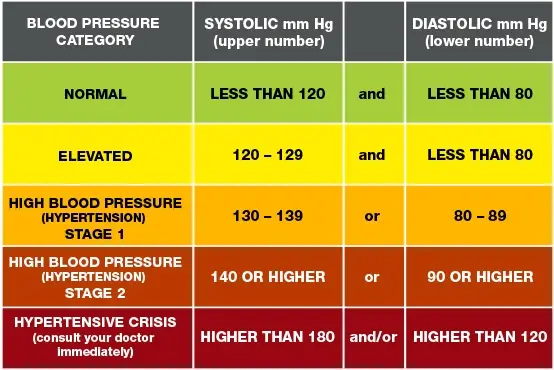
Your blood pressure reading consists of two numbers – systolic (the top number) and diastolic (the bottom number). The systolic number represents the amount of pressure in your arteries when your heart beats, while the diastolic number represents the amount of pressure in your arteries between beats. A normal blood pressure reading is considered to be 120/80 mmHg or lower. However, if your blood pressure is consistently higher than this, you may have hypertension, which is also known as high blood pressure.

Causes of High Blood Pressure: Risk Factors and Prevention Tips
There are several factors that can cause high blood pressure, including genetics, age, race, lifestyle choices, and environmental factors. Some common risk factors include being overweight or obese, smoking cigarettes, consuming excessive amounts of alcohol, eating a poor diet, not getting enough exercise, stress, and certain medical conditions like diabetes and kidney disease. To prevent high blood pressure, it’s essential to make healthy lifestyle changes such as losing weight, quitting smoking, reducing alcohol consumption, following a balanced diet, exercising regularly, managing stress levels, and monitoring your blood sugar and cholesterol levels.
Symptoms of High Blood Pressure: How to Recognize the Signs and Seek Treatment
High blood pressure often has no signs or symptoms until it becomes severe, so it’s crucial to get regular checkups with your doctor to monitor your blood pressure levels. However, some people may experience headaches, dizziness, blurred vision, fatigue, shortness of breath, and chest pain as a result of high blood pressure. If you suspect that you have high blood pressure, seek immediate medical attention to avoid complications such as heart attack, stroke, and organ damage.
Natural Remedies for Lowering Blood Pressure: Lifestyle Changes and Alternative Therapies
In addition to medication, there are many natural remedies that can help lower blood pressure. These include making lifestyle changes such as losing weight, quitting smoking, reducing alcohol intake, following a balanced diet rich in fruits, vegetables, whole grains, lean protein, and healthy fats, exercising regularly, managing stress levels, and getting adequate sleep. Additionally, alternative therapies such as acupuncture, meditation, yoga, and herbal supplements like garlic, hawthorn, and omega-3 fish oil may also help lower blood pressure.