

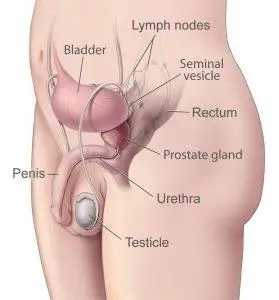
 Prostate health is a crucial aspect of men’s overall well-being. The prostate gland, located below the bladder, plays an essential role in reproduction by producing semen. However, as men age, their risk for developing enlarged prostates increases significantly. Benign Prostatic Hyperplasia (BPH), also known as enlarged prostate, affects millions of men worldwide. While it may not be life-threatening, BPH can cause uncomfortable symptoms that negatively impact quality of life. In this article, we will explore the hidden dangers of enlarged prostate, its causes, symptoms, treatment options, natural remedies, and prevention measures.
Inflammation is one of the primary culprits behind many chronic diseases, including prostatitis and enlarged prostate. Chronic inflammation can lead to the growth of abnormal cells, which can eventually turn into cancerous tumors. Studies have shown that there is a strong link between prostatitis and enlarged prostate. Men with prostatitis are more likely to develop BPH than those without the condition. Therefore, managing inflammation through lifestyle changes such as diet, exercise, stress reduction, and supplements like omega-3 fatty acids, curcumin, and resveratrol can help reduce the risk of both conditions.
Benign Prostatic Hyperplasia: Causes, Symptoms, and Treatment Options
Enlarged prostate occurs when the prostate gland becomes larger due to hormonal imbalances or aging. As the prostate grows bigger, it puts pressure on the urethra, causing urinary problems such as frequent urination, difficulty starting or stopping urine flow, weak stream, and incomplete emptying of the bladder. These symptoms often worsen at night, disrupting sleep patterns and reducing quality of life.
Treating BPH typically involves medications such as alpha blockers, 5-alpha reductase inhibitors, and antimuscarinics. Surgical procedures like transurethral resection of the prostate (TURP) and laser therapy are also available but come with potential risks and side effects. Natural remedies such as saw palmetto, pygeum, stinging nettle, and pumpkin seed oil have been found effective in alleviating mild to moderate symptoms of BPH.
Prostate Cancer: Risk Factors, Early Detection, and Prevention
While BPH is not cancerous, it can increase the risk of developing prostate cancer. Other factors that raise the risk of prostate cancer include family history, race, obesity, smoking, and exposure to environmental toxins. Regular screenings, including digital rectal exams and PSA blood tests, can help detect early signs of prostate cancer, increasing chances of successful treatment.
Preventive measures include maintaining a healthy weight, eating a balanced diet rich in fruits, vegetables, whole grains, lean protein, and healthy fats, engaging in regular physical activity, avoiding smoking and excessive alcohol consumption, and minimizing exposure to environmental pollutants.
Natural Remedies for Improving Prostate Health
In addition to conventional treatments, several natural remedies have been found beneficial in improving prostate health. These include:
1. Saw Palmetto – This herb has been extensively studied for its ability to improve urinary function and reduce symptoms of BPH.
2. Pygeum – An extract from the bark of an African tree, pygeum contains phytonutrients that support prostate health.
3. Stinging Nettle – A traditional remedy for treating prostate enlargement, stinging nettle contains compounds that block the conversion of testosterone to dihydrotestosterone (DHT), a hormone responsible for prostate growth.
4. Pumpkin Seed Oil – Rich in omega-3 fatty acids and other nutrients, pumpkin seed oil supports prostate health and reduces symptoms of BPH.
Conclusion
Maintaining optimal prostate health requires awareness, attention, and action. Understanding the hidden dangers of enlarged prostate and taking steps to manage inflammation, reduce risk factors, and adopt healthy habits can go a long way in promoting overall wellness. By incorporating natural remedies alongside conventional treatments, men can effectively manage symptoms of BPH and reduce the risk of associated health issues.