
Blood sugar management is crucial for people with diabetes, as well as those who are at risk of developing the condition. In this blog post, we will discuss hypoglycemia and hyperglycemia, their causes, symptoms, treatment options, and natural ways to manage blood sugar levels.
Introduction to Blood Sugar Management
Blood sugar refers to the amount of glucose present in your bloodstream. Glucose provides energy to our cells and organs, including the brain. People with diabetes have high blood sugar levels due to a lack of insulin or an inability to use it effectively. Insulin is a hormone that helps regulate blood sugar levels by transporting glucose from the blood into the cells. Managing blood sugar involves maintaining healthy levels through lifestyle changes, medication, and monitoring.
What is Hypoglycemia? Causes and Symptoms
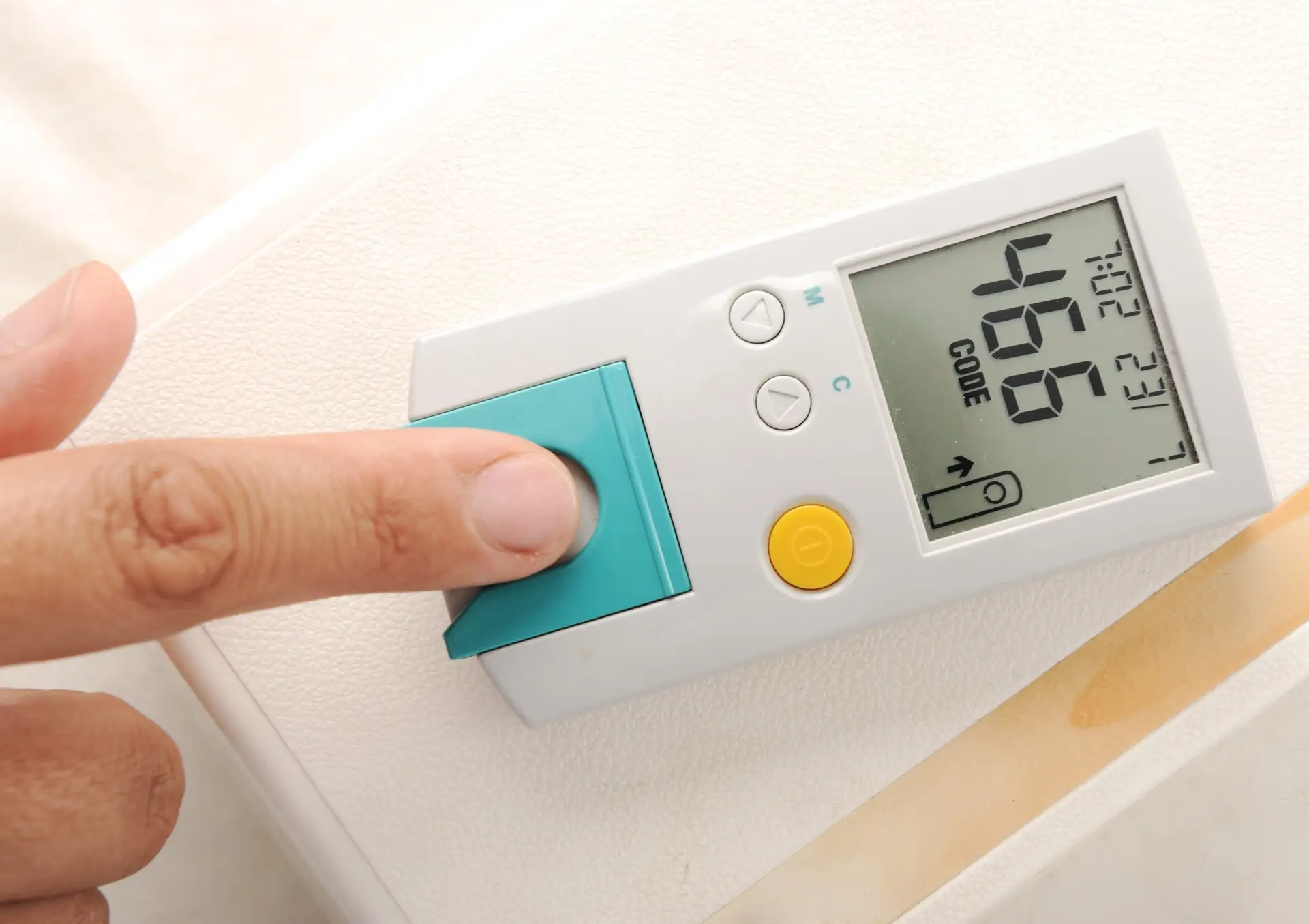
Hypoglycemia occurs when blood sugar levels drop below normal range (less than 70 mg/dL). It can happen to anyone but is more common in people with diabetes who take insulin or certain medications. The signs and symptoms of hypoglycemia include dizziness, confusion, sweating, shakiness, hunger, and fatigue. Severe cases may cause seizures, loss of consciousness, and even death. Risk factors for hypoglycemia include skipping meals, overexercise, drinking alcohol, and taking certain medications such as beta-blockers and antipsychotics.
Insulin Control for Diabetes Management
People with type 1 diabetes require daily insulin injections or an insulin pump to control their blood sugar levels. Type 2 diabetics may also need insulin therapy if other treatments fail to work. Proper insulin dosage and timing are critical to prevent both hypoglycemia and hyperglycemia. Adequate carbohydrate intake, regular exercise, stress reduction, and avoiding smoking and excessive alcohol consumption can help improve insulin sensitivity.
Hyperglycemia: Signs, Symptoms, and Treatment Options
Hyperglycemia occurs when blood sugar levels rise above normal range (greater than 130 mg/dL after fasting). High blood sugar levels increase the risk of complications such as heart disease, stroke, nerve damage, kidney failure, and blindness. Common signs and symptoms of hyperglycemia include increased thirst, frequent urination, blurred vision, fatigue, and dry skin. Treatment includes adjusting medication, increasing physical activity, reducing calorie intake, and monitoring blood sugar levels regularly.

Natural Ways to Manage Your Blood Sugar Levels
There are several natural ways to manage blood sugar levels, including eating a balanced diet rich in whole grains, fruits, vegetables, lean protein sources, and healthy fats. Regular exercise, adequate sleep, and stress reduction techniques like meditation and yoga can also help lower blood sugar levels. Additionally, herbs like cinnamon, gymnema sylvestre, and bitter melon have been shown to improve blood sugar metabolism.
Conclusion: Taking Care of Your Health
Proper blood sugar management is essential for overall health and wellbeing. By understanding the risks associated with hypoglycemia and hyperglycemia, you can take steps to prevent them and live a healthier life. Monitoring blood sugar levels regularly, making healthy food choices, staying active, managing stress, and seeking medical advice when necessary can all contribute to better blood sugar control. Remember, taking care of your health is a lifelong journey, so start today by making positive changes towards a healthier tomorrow.