
As we age, our bodies start to show signs of wear and tear. One of the most common conditions that affect older adults is Parkinson’s disease. It’s a progressive neurological disorder that affects movement and coordination. In this blog post, we will explore everything you need to know about Parkinson’s disease and other movement disorders.
Symptoms of Parkinson’s Disease and Other Movement Disorders
The symptoms of Parkinson’s disease usually develop slowly over time. Some of the early warning signs include tremors or shaking in one hand, stiffness in the limbs, slowed movements, balance problems, and difficulty with walking. As the condition worsens, patients may experience depression, anxiety, memory loss, and sleep disturbances. Other types of movement disorders include dystonia, which causes involuntary muscle contractions, and essential tremor, which causes rhythmic shaking in different parts of the body.
Treatment Options for Parkinson’s Disease and Other Movement Disorders
There are several treatment options available for Parkinson’s disease and other movement disorders. The most common treatments include medication, physical therapy, occupational therapy, speech therapy, and surgery. Medications such as levodopa, dopamine agonists, and anticholinergics can help manage symptoms by increasing the levels of dopamine in the brain. Physical therapy and exercise can also be helpful in improving mobility and reducing stiffness. Surgical procedures like deep brain stimulation (DBS) can provide relief from severe symptoms when medication fails.
Understanding the Causes and Risk Factors of Parkinson’s Disease and Other Movement Disorders
The exact cause of Parkinson’s disease is unknown, but it’s believed to be caused by a combination of genetic and environmental factors. Research has shown that certain risk factors increase the likelihood of developing the condition, including family history, advancing age, male gender, exposure to pesticides and other chemicals, and head trauma.
Living with Parkinson’s Disease: Tips for Managing Your Daily Life
Living with Parkinson’s disease can be challenging, but there are many things you can do to improve your quality of life. Here are some tips for managing daily life:
1. Stay active – regular exercise can help reduce stiffness and improve mobility.
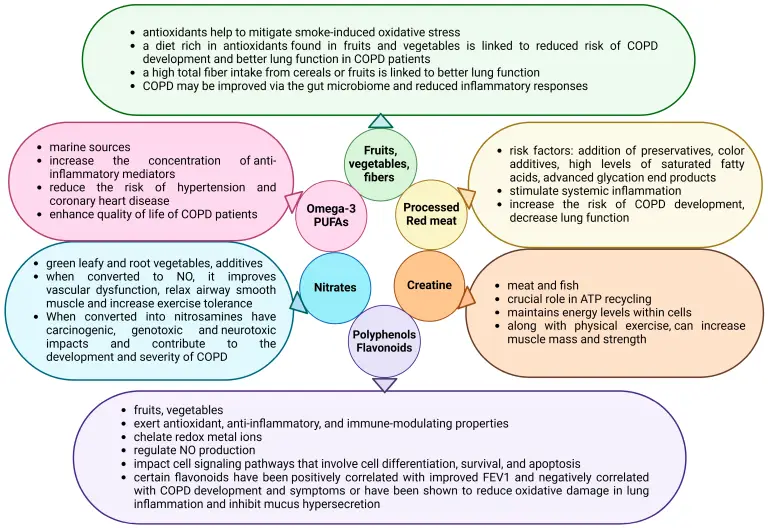
2. Eat a healthy diet – a balanced diet rich in fruits, vegetables, whole grains, and lean protein can help keep you energized and strong.
3. Get enough rest – fatigue is a common problem among people with Parkinson’s disease, so make sure you get plenty of rest at night and take naps during the day if needed.
4. Use adaptive equipment – devices like walkers, wheelchairs, and grab bars can help make everyday tasks easier and safer.
5. Join a support group – talking to others who understand what you’re going through can be incredibly beneficial for emotional wellbeing.
In conclusion, Parkinson’s disease and other movement disorders can have a significant impact on an individual’s quality of life. However, with proper management and treatment, it’s possible to live a fulfilling and productive life.