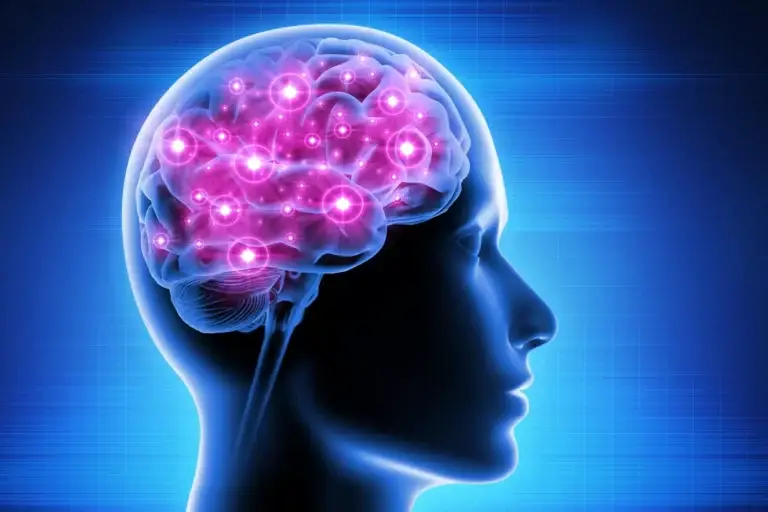

Introduction to Parkinson’s and Movement Disorders
Parkinson’s disease is a chronic neurological disorder that affects the movement of an individual. It is characterized by tremors, stiffness, slowed movements, and balance problems. Other types of movement disorders include Huntington’s disease, dystonia, and essential tremor. These conditions can significantly impact daily activities such as eating, dressing, and walking.
Understanding Treatment Options for Improved Quality of Life
The treatment options available for individuals with Parkinson’s or other movement disorders vary depending on the severity of symptoms. Medication therapy remains one of the most common treatments for managing symptoms. Levodopa, dopamine agonists, and anticholinergics are some examples of medications used in treating Parkinson’s disease. However, non-medication based therapies have also shown promising results in improving quality of life. Exercise has been found to be beneficial in reducing symptom severity and enhancing mobility. Physiotherapy, occupational therapy, and speech therapy may also help patients manage their condition better. Additionally, deep brain stimulation (DBS) surgery is another option for those who do not respond well to medication. DBS involves implanting electrodes into specific areas of the brain to reduce symptoms.
The Role of Exercise in Managing Symptoms of Parkinson’s Disease
Exercise plays a crucial role in managing symptoms of Parkinson’s disease. Regular physical activity helps improve flexibility, strength, balance, and coordination. Exercises like yoga, tai chi, and Pilates are particularly effective in reducing rigidity and tremors. Resistance training can also help increase muscle mass and prevent falls. Moreover, exercise releases endorphins which can elevate mood and alleviate depression often associated with Parkinson’s disease.

Non-Medication Based Therapies for Movement Disorders
In addition to exercise, there are several non-medication based therapies that can benefit individuals with movement disorders. For instance, cognitive behavioral therapy (CBT) can assist in coping with anxiety and depression related to Parkinson’s disease. Acupuncture has also demonstrated positive effects in reducing pain and fatigue associated with these conditions. Music therapy, art therapy, and pet therapy are alternative approaches that can enhance emotional wellbeing and overall quality of life.
Current Research and Clinical Trials for Parkinson’s and Other Movement Disorders
There is currently ongoing research aimed at finding new treatments and cures for Parkinson’s and other movement disorders. Some clinical trials involve gene therapy, stem cell transplantation, and immunotherapy. While these treatments are still experimental, they hold promise for future advancements in this field. In conclusion, understanding the various treatment options available for Parkinson’s and movement disorders can greatly improve the quality of life for affected individuals. From medication therapy to non-medication based interventions, including exercise and complementary therapies, there are numerous ways to manage symptoms and maintain optimal health.