
Introduction to Maintaining Healthy Blood Sugar Levels:
Diabetes is a chronic condition that affects millions of people worldwide. It occurs when the body cannot produce or use insulin, which leads to high levels of sugar in the bloodstream. This can cause serious health complications if left untreated. However, by maintaining healthy blood sugar levels, you can manage your diabetes and live a fulfilling life. In this guide, we will explore how to do just that.
What is Diabetes and its Causes:
Diabetes is caused by a combination of genetic and lifestyle factors. Risk factors include being overweight, having a family history of diabetes, leading a sedentary lifestyle, and consuming a poor diet. There are three main types of diabetes: type 1, type 2, and gestational diabetes. Type 1 diabetes occurs when the immune system attacks the cells in the pancreas that produce insulin. Type 2 diabetes occurs when the body becomes resistant to insulin or does not produce enough insulin. Gestational diabetes occurs during pregnancy and usually goes away after delivery.
Understanding Hypoglycemia and Hyperglycemia:
Hypoglycemia refers to low blood sugar levels, while hyperglycemia refers to high blood sugar levels. Both conditions can be dangerous if left untreated. Symptoms of hypoglycemia include dizziness, confusion, sweating, and shakiness. Symptoms of hyperglycemia include increased thirst, frequent urination, blurred vision, and fatigue. If you experience any of these symptoms, it’s important to check your blood sugar levels and seek medical attention if necessary.
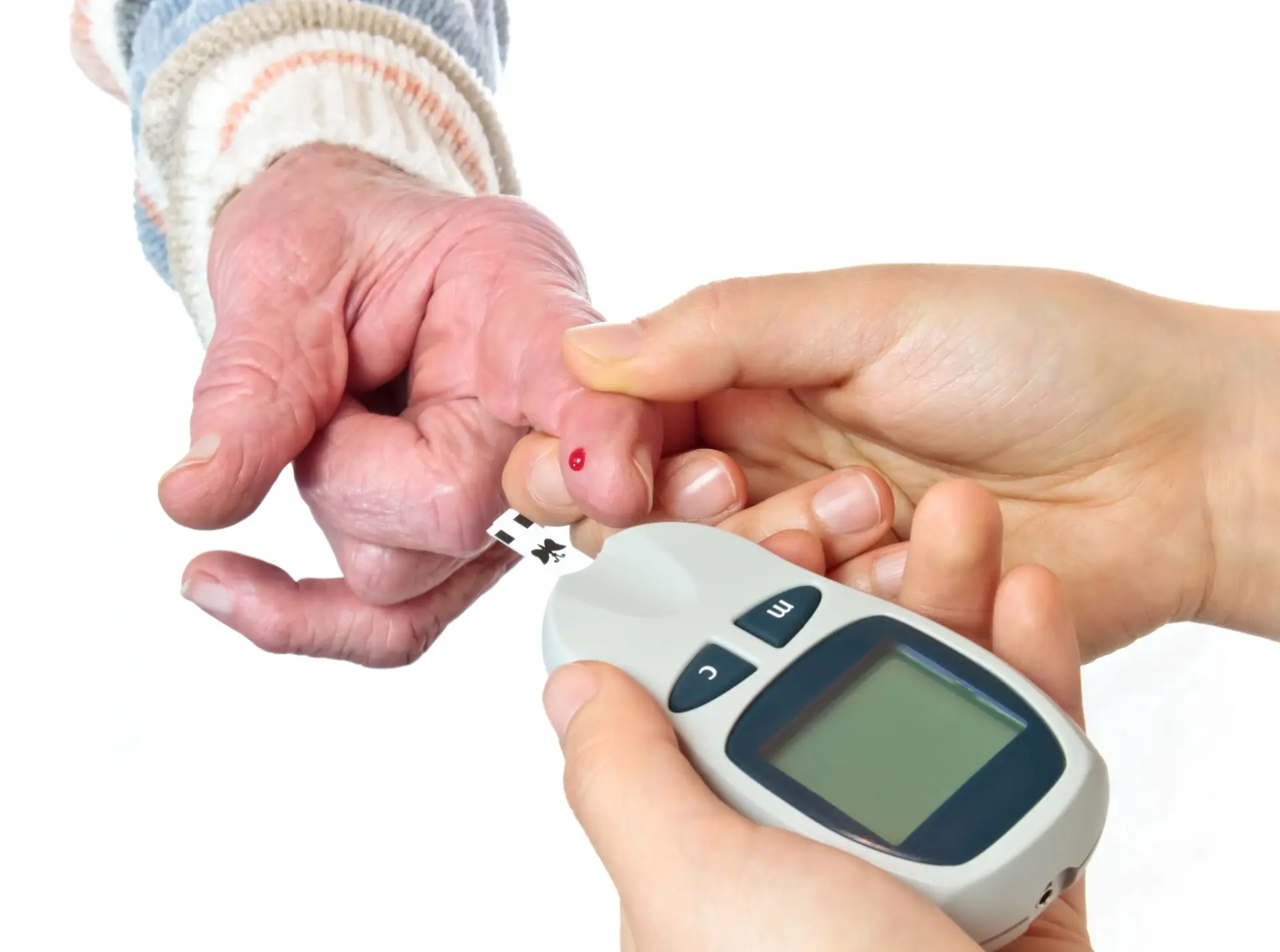
Insulin Control: A Key Component of Managing Diabetes:
Insulin control is essential for managing diabetes. Insulin helps regulate blood sugar levels by allowing glucose to enter cells for energy. People with type 1 diabetes must take insulin injections or use an insulin pump to manage their blood sugar levels. Those with type 2 diabetes may also need to take insulin if other treatments fail. It’s crucial to monitor your blood sugar levels regularly and adjust your insulin dosage as needed.
Natural Treatments for Diabetes:
While medication is often necessary for managing diabetes, there are natural treatments that can help too. Eating a balanced diet rich in fruits, vegetables, whole grains, and lean proteins can help keep blood sugar levels stable. Regular exercise can also improve blood sugar control and reduce the risk of complications. Additionally, stress management techniques such as meditation or yoga can help lower cortisol levels, which can contribute to high blood sugar levels.
Conclusion: Taking Care of Yourself with Diabetes:
Living with diabetes requires ongoing care and monitoring. By following a healthy diet, staying active, taking medications as prescribed, and checking your blood sugar levels regularly, you can manage your diabetes and lead a full and happy life. Remember, taking care of yourself is key to living well with diabetes.