

If you’re looking to lose weight, chances are you’ve heard about juicing. Juicing involves blending fruits and vegetables together into a delicious drink that is packed with vitamins, minerals, and antioxidants. But does juicing actually help with weight loss? In this article, we will explore the science behind juicing for weight loss, as well as provide some tasty recipes to get started on your journey.

Introduction to Juicing for Weight-loss
Juicing has become increasingly popular in recent years due to its potential health benefits. Many people believe that by consuming only fruit and vegetable juice, they can detoxify their bodies and shed unwanted pounds quickly. While there is no doubt that juicing can be an effective way to consume more nutrients than you would through solid foods alone, whether or not it leads to significant weight loss is still up for debate.
The Science Behind Juicing for Weight-loss
One of the main reasons why juicing may aid in weight loss is because it allows you to consume fewer calories overall. By replacing meals with juices, you reduce your intake of solid foods which often contain higher amounts of fat and sugar. Additionally, many fruits and vegetables have high water content, which helps keep you feeling full without adding too many calories to your diet. However, while juicing may lead to short term weight loss, it is unclear if these results are sustainable over time. Some studies suggest that while participants lost weight initially, they regained it once they returned to eating solid foods again.
Juicing Recipes for Weight-loss
Here are three delicious juicing recipes that can aid in weight loss:
1. Green Machine – This recipe contains kale, spinach, cucumber, celery, lemon, and ginger. Kale and spinach are low in calories but high in fiber, making them great for weight loss. Cucumbers and celery also contain very few calories and lots of water, helping you feel full faster. Lemon provides a tangy taste while also aiding digestion. Ginger adds anti-inflammatory properties and flavor.
2. Tropical Mango Detox – This recipe includes mango, pineapple, orange, lime, and mint leaves. Mangoes are rich in fiber and vitamin C, while pineapples contain bromelain enzyme which aids in digestion. Oranges are high in Vitamin C and folate, while limes add a zesty twist to the drink. Finally, mint leaves provide a refreshing taste and added health benefits.
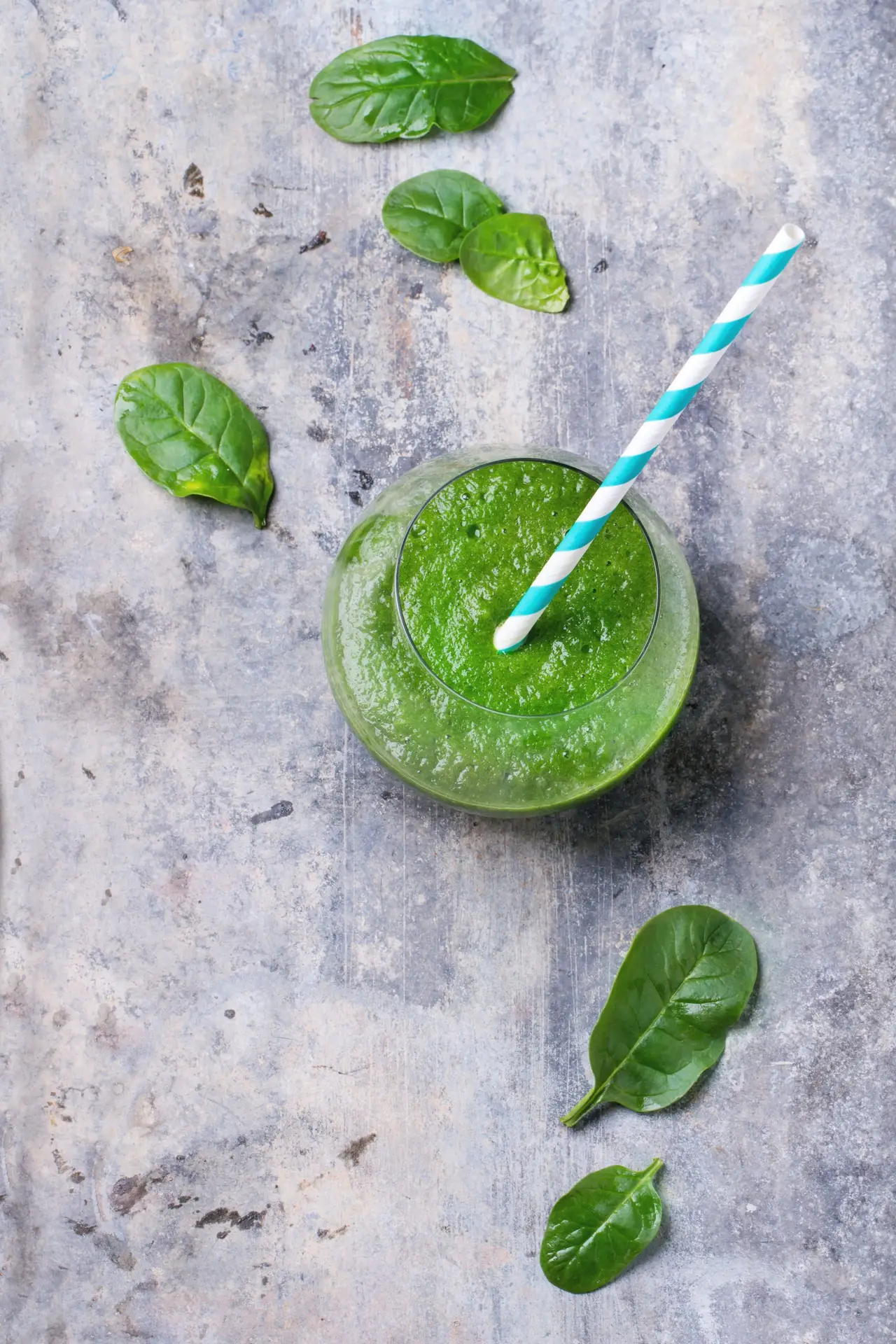
3. Berry Blissful Smoothie Bowl – This recipe combines mixed berries, banana, almond milk, coconut oil, and honey. Berries are loaded with antioxidants and polyphenols, both of which promote weight loss. Bananas are high in potassium and resistant starch, which keeps you feeling full longer. Almond milk is low in calories and high in protein, while coconut oil provides healthy fats and promotes satiety. Honey serves as a natural sweetener and provides energy.
Fasting and Its Effects on Weight-loss
Another topic related to juicing for weight loss is fasting. Fasting involves abstaining from all or certain types of food for a set period of time. There are several different types of fasting, including intermittent fasting, where you alternate between periods of eating and fasting; and extended fasting, where you go without food for days at a time. While fasting can certainly lead to weight loss, it should be done under medical supervision and with caution. Extended fasting can cause side effects such as dizziness, headaches, and muscle weakness. It is recommended to consult with a doctor before attempting any type of fasting for weight loss.
Fat Loss Through Exercise
While juicing can aid in weight loss, it should not be relied upon solely for achieving significant fat loss. Regular exercise is essential for burning off excess body fat and maintaining optimal health. High Intensity Interval Training (HIIT) workouts are particularly effective for burning fat and building lean muscle mass. These workouts involve brief bursts of intense activity followed by rest periods, allowing you to burn maximum calories in minimal time. Cardiovascular exercises like running, cycling, and swimming are also excellent forms of aerobic exercise that can help boost metabolism and burn calories.
Keto, Mediterranean or Paleo: Which Diet Is Best For Weight-loss?
There are numerous diets out there claiming to be the best for weight loss. The keto diet involves limiting carbohydrates and upping fat consumption to put the body into a state of ketosis, where it burns stored fat for fuel. The Mediterranean diet emphasizes whole foods like fruits, veggies, nuts, seeds, fish, and olive oil while avoiding processed foods and red meat. The paleo diet consists of eating only foods that were available during the Paleolithic era, such as meat, fish, eggs, nuts, seeds, and non-starchy vegetables. Ultimately, the most important factor when choosing a diet is finding one that works for you and fits within your lifestyle. If you prefer a structured plan, then the keto or paleo diets might be ideal. If you enjoy variety and flexibility, then the Mediterranean diet could be a good choice. Remember to always consult with a registered dietician before starting any new dietary regime.