
Blood sugar levels are an essential aspect of our overall health. When blood sugar levels are not within the normal range, it can lead to serious health complications. In this article, we will discuss hypoglycemia and hyperglycemia, their causes, symptoms, treatments, and natural remedies for diabetes management.
Introduction to Blood Sugar Levels
Blood sugar level refers to the amount of glucose present in your bloodstream. Glucose is a type of sugar that provides energy to cells throughout the body. The pancreas produces insulin, which helps regulate blood sugar levels by converting glucose into energy or storing it for later use.
What is Hypoglycemia?
Hypoglycemia occurs when blood sugar levels fall below normal ranges (less than 70 mg/dL). It usually happens due to overproduction of insulin or underconsumption of carbohydrates. Symptoms include dizziness, confusion, sweating, shakiness, headache, and loss of consciousness. If left untreated, it can cause seizures, coma, and even death. Diabetics taking medication like insulin or sulfonylureas are at higher risk of developing hypoglycemia. Treatment includes consuming fast-acting carbs such as fruit juice, honey, or candy, followed by a meal with complex carbs.
Diabetes and Insulin Control
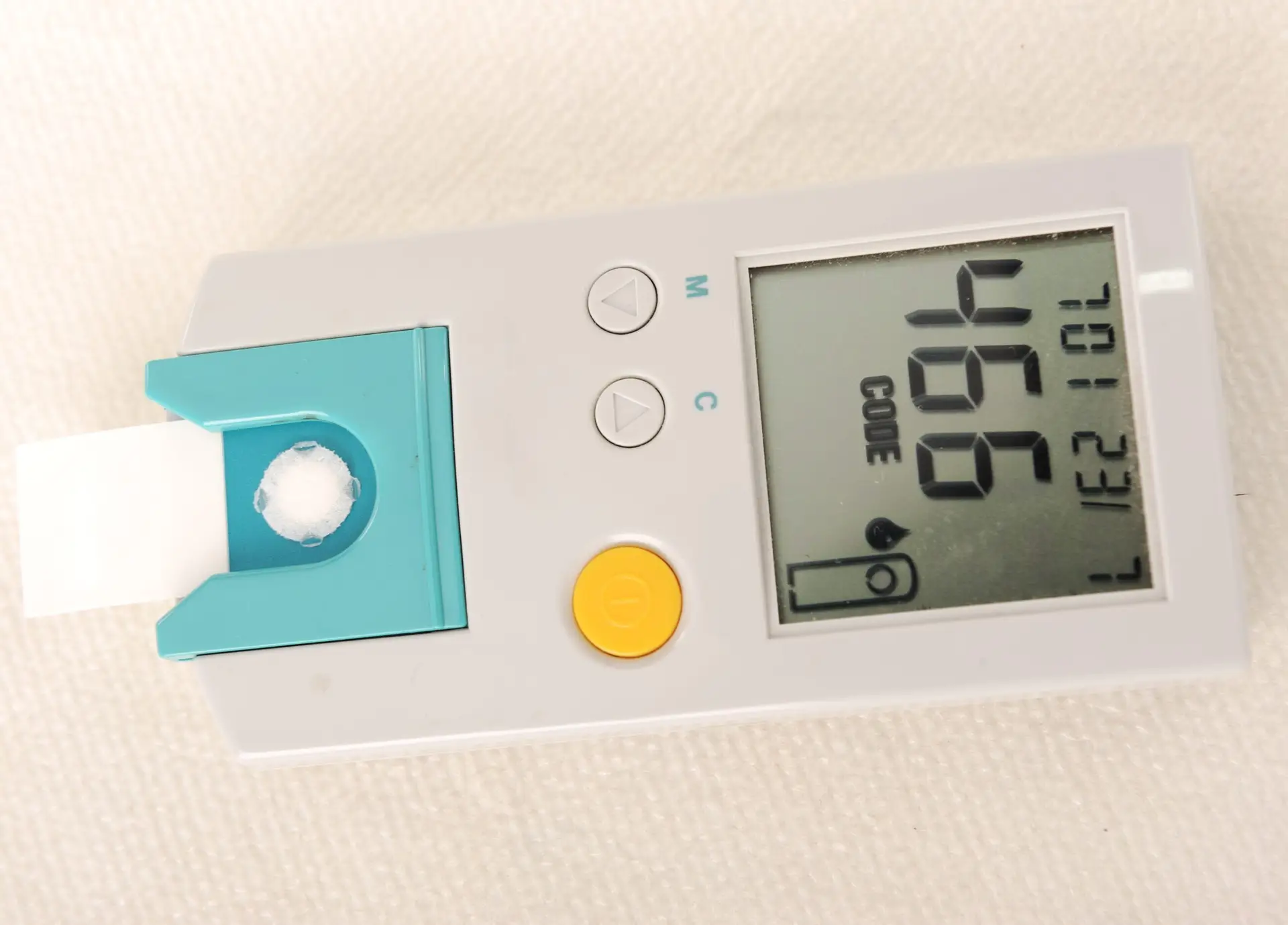
Diabetes is a chronic condition characterized by high blood sugar levels. Type 1 diabetes occurs when the immune system attacks and destroys insulin-producing cells in the pancreas, leading to little or no insulin production. Type 2 diabetes develops gradually, often due to lifestyle factors like poor diet, lack of exercise, and obesity. Symptoms include increased thirst, frequent urination, blurred vision, fatigue, and slow healing wounds. Management involves monitoring blood sugar levels regularly, maintaining a healthy weight through diet and exercise, and taking medications if necessary.
Understanding Hyperglycemia
Hyperglycemia occurs when blood sugar levels rise above normal ranges (greater than 130 mg/dL after eating or greater than 180 mg/dL without food). It typically happens due to insufficient insulin production or resistance, excessive consumption of simple sugars, stress, illness, or injury. Symptoms include increased thirst, frequent urination, blurry vision, fatigue, dry mouth, and sores that don’t heal quickly. Long-term hyperglycemia increases the risk of heart disease, stroke, kidney failure, nerve damage, and blindness. Treatment involves adjusting medication dosage, following a strict diet plan, increasing physical activity, and monitoring blood sugar levels regularly.
Natural Treatments for Diabetes
In addition to conventional treatment methods, there are several natural ways to manage diabetes. These include incorporating more fiber-rich fruits and vegetables, whole grains, lean proteins, and healthy fats into your diet. Regular exercise also helps improve insulin sensitivity and reduce inflammation. Additionally, certain herbal supplements like cinnamon, gymnema sylvestre, and bitter melon have been shown to lower blood sugar levels naturally. However, consult with your doctor before starting any new therapy or making significant changes to your diet or lifestyle.