
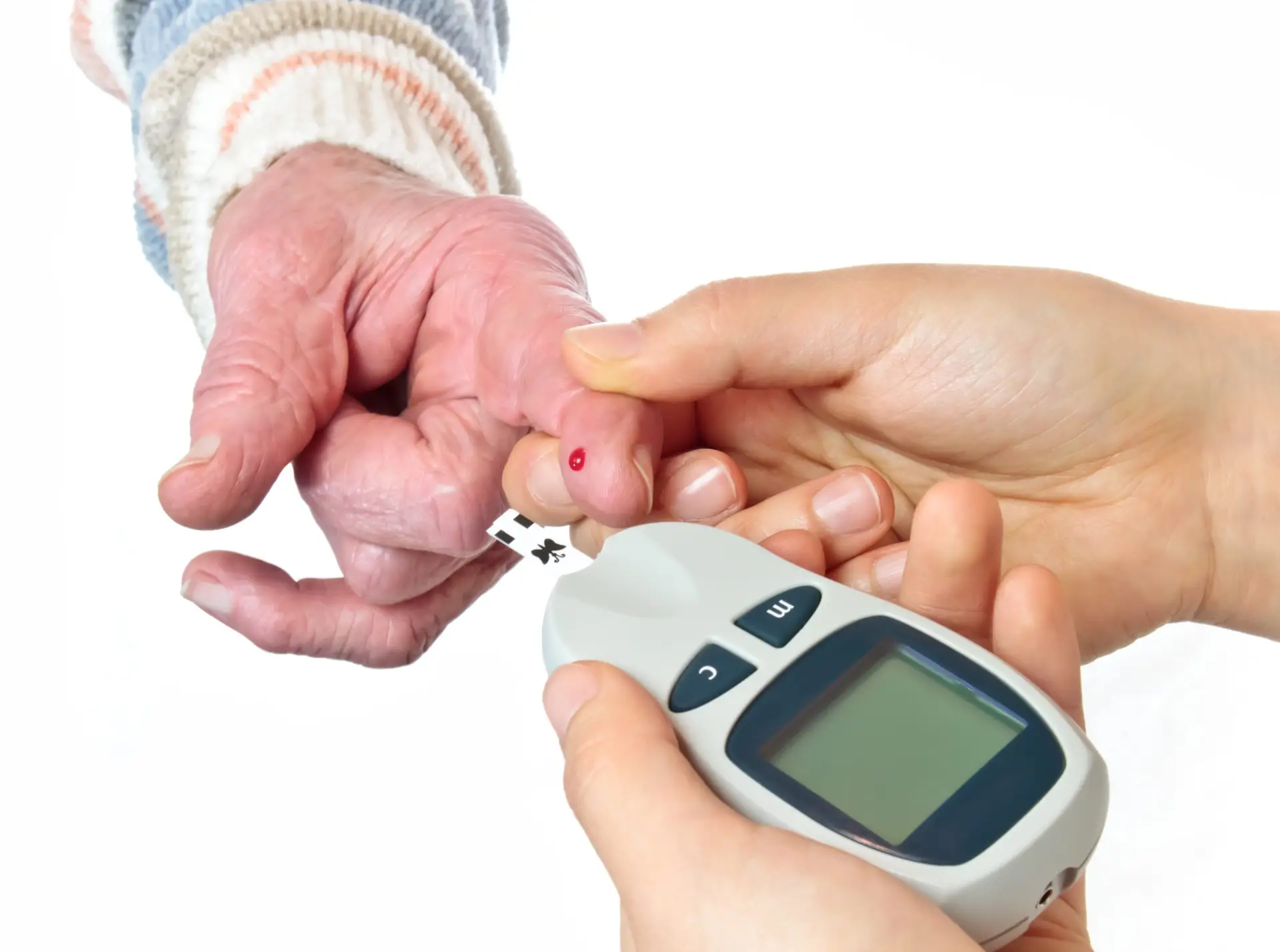
Diabetes is a chronic condition that affects millions of people worldwide. It occurs when the body’s ability to produce or use insulin, which helps regulate blood sugar levels, becomes impaired. Without proper management, diabetes can lead to serious health complications such as heart disease, stroke, and kidney failure. One key aspect of managing diabetes is maintaining good control over your blood sugar levels through insulin therapy. In this article, we will explore what insulin control means, how it relates to hypoglycemia and hyperglycemia, natural treatments for diabetes, and why taking control of your blood sugar levels is so important.
Introduction to Insulin Control
Insulin is a hormone produced by the pancreas that helps regulate blood sugar levels in the body. When you eat food, your body breaks down carbohydrates into glucose, which enters your bloodstream. Insulin then signals cells throughout your body to take up glucose from the bloodstream and convert it into energy. For someone with diabetes, however, their body either doesn’t make enough insulin (type 1) or has become resistant to insulin (type 2). This means they need to take insulin medication to help manage their blood sugar levels.
Understanding Hypoglycemia and Hyperglycemia
Hypoglycemia refers to low blood sugar levels, while hyperglycemia refers to high blood sugar levels. Both are dangerous conditions that require immediate medical attention. Symptoms of hypoglycemia include dizziness, confusion, sweating, shakiness, and loss of consciousness. Hyperglycemia symptoms may include increased thirst, frequent urination, blurred vision, fatigue, and headaches. Maintaining good insulin control is essential in preventing these extreme blood sugar fluctuations.
The Importance of Insulin in Diabetes Management

Insulin plays a critical role in managing diabetes because it helps regulate blood sugar levels. Taking too much insulin can cause hypoglycemia, while not taking enough can result in hyperglycemia. Additionally, if insulin isn’t administered properly, it can lead to weight gain, lipohypertrophy (fatty deposits under the skin), and other side effects. However, with careful monitoring and adjustment, insulin therapy can be an effective way to manage blood sugar levels and reduce the risk of long-term complications associated with diabetes.
Natural Treatments for Diabetes
While insulin therapy is often necessary for those with diabetes, there are also several natural treatments that can help improve blood sugar control. These include regular exercise, a balanced diet rich in whole grains, fruits, vegetables, lean proteins, and healthy fats, stress reduction techniques like meditation or yoga, and supplements like cinnamon or chromium. While these approaches won’t replace traditional treatment methods, they can complement them and provide additional benefits for overall health and wellbeing.
Conclusion: Taking Control of Your Blood Sugar Levels
Maintaining good insulin control is crucial for managing diabetes and reducing the risk of serious health complications. By understanding the importance of insulin therapy, recognizing signs of hypoglycemia and hyperglycemia, incorporating natural treatments into your routine, and working closely with your healthcare provider, you can take control of your blood sugar levels and live a full and active life despite having diabetes.