Blood pressure is a measure of how much force your blood exerts against the walls of your arteries as it flows through them. When this force becomes too high, it can lead to serious health problems such as heart disease, stroke, kidney failure, and even death. In this article, we will explore everything you need to know about high blood pressure, including its causes, symptoms, natural treatments, when to seek medical attention, and more.
Introduction to High Blood Pressure
Hypertension, or high blood pressure, affects millions of people worldwide. It occurs when the pressure in your arteries increases, causing your heart to work harder than normal to pump blood throughout your body. This increased pressure can damage your organs over time, leading to severe health complications.
Causes of High Blood Pressure
There are several factors that contribute to high blood pressure, including genetics, lifestyle choices, and environmental factors. Some common risk factors include obesity, physical inactivity, smoking, excessive alcohol consumption, stress, and poor diet. Additionally, certain medications and underlying conditions like diabetes and thyroid disorders can also cause hypertension.
Symptoms of High Blood Pressure
Unfortunately, many people with high blood pressure do not experience any noticeable symptoms until their condition has progressed to a dangerous level. However, some individuals may experience headaches, dizziness, blurred vision, chest pain, shortness of breath, and fatigue. If you suspect you have high blood pressure, it’s essential to get checked by a doctor right away.
Natural Treatments for High Blood Pressure
While medication is often necessary to manage high blood pressure, there are also several natural remedies that can help lower your numbers. These include regular exercise, maintaining a healthy weight, reducing sodium intake, eating a balanced diet rich in fruits and vegetables, managing stress levels, quitting smoking, and limiting alcohol consumption.
When to Seek Medical Attention
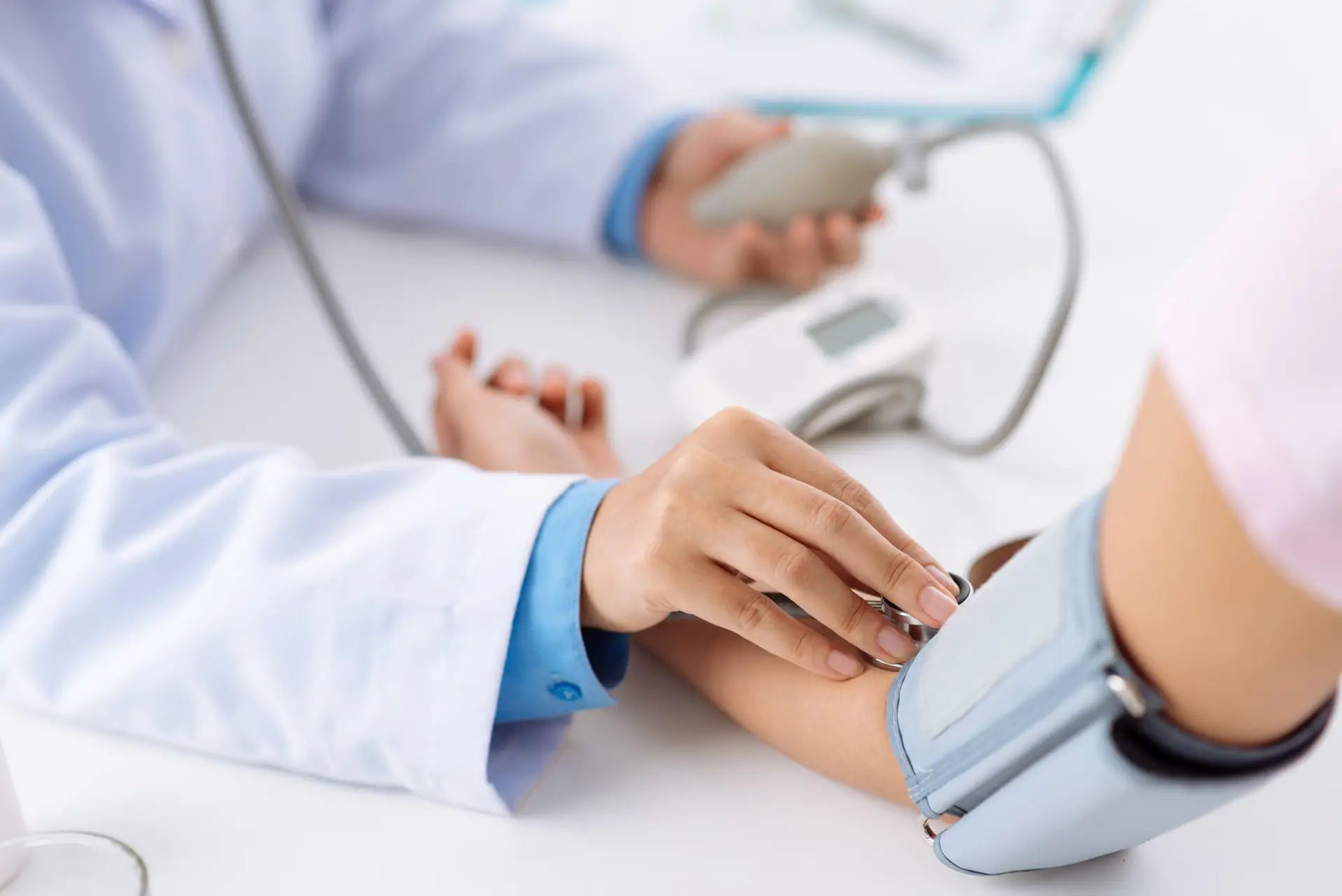
If you experience sudden changes in your blood pressure readings or if they become dangerously high, seek immediate medical attention. Other signs that require urgent care include chest pain, difficulty breathing, confusion, seizures, or loss of consciousness.
Conclusion and Final Thoughts
High blood pressure is a significant public health concern that requires prompt diagnosis and treatment. By making healthier lifestyle choices and seeking appropriate medical care, you can reduce your risk of developing this potentially life-threatening condition. Remember to monitor your blood pressure regularly, eat a nutritious diet, stay active, and manage stress effectively.