The post The Ultimate Summer Weight Loss Guide appeared first on The Health And Wellness News Blog.
]]>As the summer season approaches, many individuals are eager to shed those extra pounds and achieve their desired beach body. However, embarking on a weight loss journey requires careful planning and dedication. This ultimate summer weight loss guide will provide you with the necessary tools and strategies to achieve your goals and maintain a healthy lifestyle throughout the season.
Setting Realistic Goals for Summer Weight Loss
Before diving into any weight loss program, it is crucial to set realistic goals. While it may be tempting to aim for rapid weight loss, it is important to remember that sustainable and healthy weight loss occurs gradually. According to the Centers for Disease Control and Prevention (CDC), a safe rate of weight loss is about 1-2 pounds per week. By setting achievable goals, you are more likely to stay motivated and avoid disappointment.
Creating a Balanced and Nutritious Meal Plan
A balanced and nutritious meal plan is the foundation of any successful weight loss journey. Start by incorporating a variety of fruits, vegetables, whole grains, lean proteins, and healthy fats into your diet. These foods are not only low in calories but also packed with essential nutrients that support weight loss and overall well-being.
To ensure portion control and prevent overeating, consider using smaller plates and bowls. Additionally, practicing mindful eating can help you become more aware of your body’s hunger and fullness cues, leading to better food choices and improved weight management.
Incorporating Effective Workouts into Your Summer Routine
While a healthy diet is crucial for weight loss, incorporating effective workouts into your summer routine can accelerate your progress. Engaging in regular physical activity not only burns calories but also boosts metabolism and improves cardiovascular health.
Consider incorporating a combination of cardiovascular exercises, such as running, swimming, or cycling, with strength training exercises to build lean muscle mass. Aim for at least 150 minutes of moderate-intensity aerobic activity or 75 minutes of vigorous-intensity aerobic activity per week, as recommended by the American Heart Association.
Staying Hydrated: The Importance of Water for Weight Loss
Staying hydrated is often overlooked but plays a vital role in weight loss. Drinking an adequate amount of water not only helps to flush out toxins but also aids in digestion and curbs appetite. Research has shown that drinking water before meals can reduce calorie intake, leading to weight loss.
To ensure you stay hydrated throughout the day, carry a water bottle with you and aim to drink at least eight glasses of water daily. If you find plain water boring, infuse it with fruits or herbs for a refreshing twist.
Managing Stress and Emotional Eating During the Summer
Summer can be a time of increased stress and emotional eating, which can hinder weight loss progress. It is important to develop healthy coping mechanisms to manage stress and avoid turning to food for comfort.
Engaging in stress-reducing activities such as yoga, meditation, or spending time in nature can help alleviate stress and prevent emotional eating. Additionally, seeking support from friends, family, or a therapist can provide valuable guidance and accountability during challenging times.
Maximizing Your Results with Supplements and Superfoods
While a healthy diet should provide most of the nutrients your body needs, certain supplements and superfoods can enhance weight loss results. For example, green tea extract has been shown to boost metabolism and increase fat oxidation. Similarly, consuming foods rich in omega-3 fatty acids, such as salmon or chia seeds, can promote weight loss and reduce inflammation.
However, it is important to consult with a healthcare professional before incorporating any supplements into your routine, as they may interact with medications or have potential side effects.
Maintaining Your Summer Weight Loss: Tips for Long-Term Success
Once you have achieved your summer weight loss goals, it is essential to maintain your progress for long-term success. This involves adopting healthy habits that can be sustained beyond the summer season.
Continue to prioritize a balanced and nutritious diet, regular physical activity, and adequate hydration. Additionally, tracking your progress, setting new goals, and seeking ongoing support from a healthcare professional or a support group can help you stay motivated and accountable.
Conclusion
In conclusion, achieving your desired summer weight loss goals requires careful planning, dedication, and a holistic approach. By setting realistic goals, creating a balanced meal plan, incorporating effective workouts, staying hydrated, managing stress and emotional eating, maximizing results with supplements and superfoods, and maintaining your progress, you can enjoy a fit and healthy summer season while setting the foundation for long-term success. Remember, it’s not just about achieving a beach body; it’s about embracing a healthy lifestyle that will benefit you all year round.
The post The Ultimate Summer Weight Loss Guide appeared first on The Health And Wellness News Blog.
]]>The post Breaking Barriers: Common Weight Loss Myths Debunked appeared first on The Health And Wellness News Blog.
]]>*Weight-Loss and Diet**
One of the most pervasive beliefs is that dieting alone guarantees weight loss. While it’s true that calorie deficits are essential for shedding pounds, not all diets are created equal. Many fad diets promote quick fixes—think extreme calorie restriction or cutting out entire food groups—but such approaches are rarely sustainable. Instead, focusing on balanced nutrition with whole foods can foster long-term success. Incorporating fruits, vegetables, lean proteins, and healthy fats into your meals ensures you nourish your body while effectively managing your weight.
*Weight-Loss and Fasting**
Intermittent fasting has gained considerable traction in recent years; however, it’s often misunderstood. Some people believe that fasting means you can eat whatever you want during your eating windows without consequences. This couldn’t be further from the truth! While intermittent fasting may help regulate insulin levels and boost metabolism for some individuals, it doesn’t magically erase the impact of unhealthy eating habits. Consuming nutrient-dense foods during your eating periods is crucial for achieving meaningful results.
*Weight-Loss and Juicing**
Juicing has been touted as a miracle solution for those looking to lose weight quickly. But does drinking juice truly equate to fat loss? The reality is more complex than that. While fresh juices can be rich in vitamins and minerals, they often lack fiber—a key component for satiety—and can lead to spikes in blood sugar levels if consumed excessively. Moreover, relying solely on juices deprives your body of other essential nutrients found in whole foods. Since maintaining a balanced diet is vital for overall health, consider juicing as an occasional supplement rather than a primary source of nutrition.
*Weight-Loss Recipes**
Many assume that “weight-loss recipes” must be bland or tasteless—another myth worth dispelling! Healthy cooking doesn’t mean sacrificing flavor or enjoyment. There’s a plethora of delicious recipes designed to support weight management without compromising taste buds. Think spicy quinoa bowls loaded with colorful veggies or savory grilled chicken topped with fragrant herbs and spices—the possibilities are endless! By exploring diverse cuisines and experimenting with ingredients, you’ll find ample opportunities to create mouthwatering dishes that align with your goals.
*Fat-Loss and Diet**

It’s essential to distinguish between losing weight generally and specifically targeting fat loss; this distinction often gets glossed over in mainstream discussions about dieting. Simply put, not all forms of weight loss result from fat depletion—water weight fluctuations or muscle loss also come into play. To prioritize fat loss while preserving lean muscle mass, aim for gradual changes rather than drastic ones—this could involve incorporating resistance training alongside an appropriate caloric deficit.
*Fat-Loss and Fasting**
As we revisit intermittent fasting concerning fat loss specifically, it’s important to clarify expectations once again: while fasting may enhance fat oxidation during certain periods when glycogen stores are low, it isn’t an automatic ticket to dropping pounds effortlessly! Results vary widely among individuals based on factors like age, activity level, hormonal balance—even stress management plays its part!
In conclusion, navigating the world of weight loss requires discernment amidst misinformation galore! By understanding these common myths surrounding diet practices—including juicing trends & fasting rituals—you’re better equipped to forge realistic plans tailored toward personal wellness journeys instead! Embrace balanced nutrition combined with mindful habits; after all—every step taken counts toward breaking barriers on this transformative path!
The post Breaking Barriers: Common Weight Loss Myths Debunked appeared first on The Health And Wellness News Blog.
]]>The post From Fad to Fit: Debunking Common Weight-Loss Myths appeared first on The Health And Wellness News Blog.
]]>*Weight Loss and Diet**
One of the greatest misconceptions is that all diets are created equal. While cutting calories is crucial for losing weight, not all calorie-restricted plans yield healthy results. Many fad diets promise rapid weight loss through extreme restrictions or elimination of entire food groups, which can lead to nutritional deficiencies. Effective weight management involves a balanced approach—incorporating a variety of whole foods like fruits, vegetables, lean proteins, and healthy fats. Instead of adhering blindly to one-size-fits-all methods, individuals should aim for sustainable changes that promote overall well-being.
*Weight Loss and Fasting**
Intermittent fasting has gained immense popularity as a method for weight loss in recent years. However, it’s essential to understand that fasting isn’t magic; it merely restricts eating windows without necessarily guaranteeing fat loss. While some may find success with this technique due to reduced caloric intake during certain hours, others may struggle with hunger or binge eating during non-fasting periods. Fasting should be approached cautiously—listening to your body’s cues is imperative. Rather than relying solely on fasting as a solution, consider integrating it into a broader lifestyle change that prioritizes nutrient-dense foods.
*Weight Loss and Juicing**
Juicing has emerged as another trendy tactic for shedding pounds quickly. While fresh juices can provide vitamins and antioxidants, they often lack fiber and essential nutrients found in whole fruits and vegetables. Relying solely on juice cleanses can lead to temporary weight loss primarily due to water loss rather than fat reduction—a fleeting victory at best! Instead of turning juicing into your sole strategy for health transformation, think of it as an occasional supplement rather than a replacement for wholesome meals.
*Weight Loss Recipes**
Finding delicious recipes that support your health goals can make the journey enjoyable rather than daunting. There’s no need for bland salads or boring chicken breasts! Explore flavorful options such as quinoa-stuffed bell peppers or zucchini noodles tossed in homemade pesto—examples that are not only satisfying but also nutritionally rich. Experimentation in the kitchen can reveal countless ways to indulge while still maintaining portion control and balance.
*Fat Loss and Diet**
When discussing fat loss specifically—as opposed to just overall weight—it’s important to emphasize quality over quantity in dietary choices. High-protein meals help preserve muscle mass while promoting fat burning during caloric deficits. Incorporating strength training alongside mindful eating habits further enhances this process by building lean muscle tissue that aids metabolism.
*Fat Loss and Fasting**
Much like general fasting practices discussed earlier, when targeting fat loss through intermittent fasting routines must be tailored according to individual needs and lifestyles. Research suggests that fasting might enhance metabolic flexibility—the body’s ability to switch between burning carbohydrates and fats efficiently—which could contribute positively towards achieving desired body composition goals.

In conclusion, approaching weight loss with informed strategies helps debunk many prevalent myths surrounding dieting practices today. By rejecting extreme measures like fad diets or solely relying on trends like juicing or intermittent fasting without proper understanding—and instead focusing on balanced nutrition combined with sensible exercise—we pave our way toward lasting health improvements rather than fleeting fixes!
The post From Fad to Fit: Debunking Common Weight-Loss Myths appeared first on The Health And Wellness News Blog.
]]>The post From Diets to Lifestyle Changes: A Holistic Approach to Weight Loss appeared first on The Health And Wellness News Blog.
]]>*Weight Loss and Diet**
Traditional dieting often focuses on caloric restriction and food elimination. While cutting calories can lead to initial results, it might not be sustainable in the long run. Instead of viewing food as an enemy or a mere tool for weight reduction, consider adopting a balanced diet rich in whole foods. Incorporating lean proteins, healthy fats, and plenty of fruits and vegetables can create a nourishing foundation for your body while allowing you to enjoy your meals. Remember—it’s about quality over quantity.
*Weight Loss and Fasting**
Intermittent fasting has gained significant attention as an effective method for shedding pounds. Rather than obsessing over what you eat every hour of the day, intermittent fasting allows periods of eating followed by extended breaks from food consumption. This approach can help regulate insulin levels and boost metabolism while giving your digestive system a break. However, it’s essential to listen to your body; consult with healthcare professionals before diving into any fasting regimen.
*Weight Loss and Juicing**
Juicing has emerged as a popular trend among those looking to detoxify their bodies while promoting weight loss. Fresh vegetable and fruit juices are packed with nutrients that support metabolism and digestion. They provide hydration without excessive calories while introducing vitamins directly into your system. However, it’s crucial to remember that juices should complement—not replace—whole foods in your diet for optimal nutrition.
*Weight Loss Recipes**
The beauty of embarking on this journey lies in discovering new flavors! Healthy cooking doesn’t have to be bland or boring; there are countless delicious recipes tailored for weight loss enthusiasts. Try creating cauliflower rice stir-fries loaded with colorful veggies or chickpea salads topped with zesty dressings packed full of flavor without excess calories. Experimenting with herbs and spices can enhance the taste profile without compromising health benefits.
*Fat Loss and Diet**
Focusing specifically on fat loss requires strategic dietary choices aimed at reducing body fat percentage rather than just losing weight overall. Foods rich in fiber can help keep you satiated longer while supporting digestion—think whole grains like quinoa or legumes such as lentils! Additionally, incorporating healthy fats from sources like avocados or nuts provides necessary nutrients without guilt when consumed mindfully.
*Fat Loss and Fasting**
For those specifically targeting fat reduction rather than general weight loss, fasting can serve as an invaluable ally. By implementing methods like alternate-day fasting or time-restricted eating patterns (e.g., 16/8), many find they maximize their body’s ability to burn fat efficiently during these periods without feeling deprived during their feeding windows.
In conclusion, achieving lasting weight loss encompasses more than just fleeting diets—it involves embracing lifestyle changes that nourish both body and mind holistically. By integrating balanced eating habits alongside mindful practices like fasting or juicing into everyday life—and exploring delightful recipes—you’ll pave the way toward sustainable success on your journey towards better health!
The post From Diets to Lifestyle Changes: A Holistic Approach to Weight Loss appeared first on The Health And Wellness News Blog.
]]>The post Lose Weight Fast with These 5 Proven Diets appeared first on The Health And Wellness News Blog.
]]>Weight loss is a journey that requires dedication and commitment. It can be challenging, but the benefits of achieving your ideal weight are worth it. Whether you want to improve your health or boost your confidence, losing excess pounds can transform your life. There are many diet plans available, but not all of them work. In this article, we will discuss five proven diets that can help you lose weight fast.
The 5 Proven Diets for Fast Weight-loss
1. Keto Diet – The keto diet is one of the most popular low-carb diets. It involves eating high-fat foods and limiting carbohydrates to less than 20 grams per day. This diet forces your body into ketosis, which means your body burns fat instead of glucose for energy. You can expect to lose up to 1 pound per week on the keto diet.
2. Intermittent Fasting – Intermittent fasting involves alternating between periods of eating and fasting. For example, you may eat normally during the day and then fast at night. This diet has been shown to increase metabolism and reduce hunger levels. You can expect to lose up to 1 pound per week on an intermittent fasting plan.
3. Mediterranean Diet – The Mediterranean diet emphasizes whole foods such as fruits, vegetables, nuts, seeds, legumes, fish, and olive oil. This diet also encourages moderate consumption of dairy products and limited intake of red meat. You can expect to lose up to 1 pound per week on the Mediterranean diet.
4. Paleo Diet Plan – The paleo diet is based on the idea that humans should eat like their ancestors did. This diet includes lean proteins, non-starchy vegetables, fruits, nuts, and seeds. It excludes grains, dairy, sugar, and processed foods. You can expect to lose up to 1 pound per week on the paleo diet.
5. Pilates Workouts – Pilates is a form of exercise that focuses on strengthening your core muscles. It involves performing movements that target your abs, back, hips, and thighs. By improving your posture and balance, pilates can help you slim down quickly. You can expect to lose up to 1 pound per week by doing pilates regularly.
How Fasting Can Help You Lose Weight Quickly
Fasting has become increasingly popular in recent years due to its ability to promote rapid weight loss. When you fast, your body goes without food for a set period of time, usually 8 hours or more. During this time, your body uses stored glycogen for energy, which helps to break down fat stores.
Juicing for Weight-loss: What You Need to Know
Juicing involves drinking fresh fruit and vegetable juice to obtain nutrients and vitamins. While juicing can provide numerous health benefits, it may not be the best option for weight loss. Juices lack fiber, which can lead to feelings of hunger and increased calorie intake later in the day. However, if done correctly, juicing can aid in weight loss.
Delicious Recipes for Rapid Weight-loss
Here are some delicious recipe ideas that can help you lose weight fast:
1. Greek yogurt parfait with berries and granola
2. Grilled chicken salad with mixed greens and avocado
3. Baked sweet potato with black bean salsa and cottage cheese
4. Tuna and veggie wrap with hummus and baby spinach
5. Quinoa bowl with roasted vegetables and balsamic vinaigrette
6. Broiled salmon with lemon and herbs
7. Turkey chili with brown rice and shredded cheese
8. Veggie stir-fry with tofu and quinoa
9. Cauliflower crust pizza with tomatoes and mozzarella cheese
10. Chia seed pudding with almond milk and berries
Fat-loss and the Keto Diet
The keto diet is known for its ability to promote quick weight loss, especially around the midsection. This is because when you consume fewer carbs, your body produces less insulin, which reduces inflammation and promotes fat burning. Additionally, the keto diet increases satiety levels, making it easier to stick to long term.
Mediterranean Diet for Effective Weight-loss
The Mediterranean diet is another effective way to lose weight quickly. This diet emphasizes whole foods such as fruits, vegetables, nuts, seeds, legumes, fish, and olive oil. It also encourages moderate consumption of dairy products and limited intake of red meat. The Mediterranean diet has been linked to reduced risk of heart disease, cancer, and Alzheimer’s disease.
Paleo Diet Plan for Losing Weight Fast
The paleo diet is designed to mimic the diet of our ancient ancestors. It eliminates grains, dairy, sugar, and processed foods while emphasizing lean proteins, non-starchy vegetables, fruits, nuts, and seeds. This diet has been shown to improve gut health, reduce inflammation, and support weight loss.
Exercise Routines for Speedy Weight-loss
Regular physical activity is essential for weight loss success. Here are some exercises routines that can help you shed pounds quickly:
1. High Intensity Training (HIT) – HIT involves short bursts of intense exercise followed by rest periods. This type of training has been shown to increase metabolism and burn fat rapidly.
2. Strength Training – Resistance training builds muscle mass, which can increase metabolism and promote faster weight loss. Examples include lifting weights, using resistance bands, and doing bodyweight exercises.
3. Yoga Poses for Slimming Down – Certain types of yoga have been shown to aid in weight loss. Ashtanga and power yoga involve flowing sequences that can raise heart rate and build endurance. Restorative yoga poses can also help to relax the mind and reduce stress, which can contribute to weight gain.
High Intensity Training for Burning Fat Fast
High intensity training (HIT) involves short bursts of intense exercise followed by rest periods. This type of training has been shown to increase metabolism and burn fat rapidly. Some examples of HIT exercises include sprinting, jump squats, burpees, and mountain climbers.

Walking Your Way to a Slimmer Body

Walking is a simple yet effective way to lose weight quickly. It doesn’t require any special equipment or skills, making it accessible to everyone. Walking can be done anywhere, whether it’s outside or on a treadmill. Aim for at least 30 minutes of walking each day to see results.
The post Lose Weight Fast with These 5 Proven Diets appeared first on The Health And Wellness News Blog.
]]>The post The Best Weight-loss Recipes for a Healthy Lifestyle appeared first on The Health And Wellness News Blog.
]]>Introduction to Weight-loss Recipes for a Healthy Lifestyle:
Losing weight is not just about looking good or fitting into your favorite pair of jeans. It’s about improving your overall health and wellbeing. One way to achieve sustainable weight loss is by incorporating delicious and nutritious meals into your daily routine. There are many different types of diets out there, but some of the most popular ones include keto, Mediterranean, and paleo. Each one has its own unique benefits and drawbacks, so it’s important to choose the one that works best for your body and lifestyle.

The Best Weight-loss and Fat-loss Diets:
1. Keto Diet – This low-carb, high-fat diet is designed to put your body in a state of ketosis, where it burns fat instead of carbs for energy. The keto diet has been shown to be highly effective at reducing belly fat and lowering blood sugar levels.
2. Mediterranean Diet – This diet emphasizes whole foods like fruits, vegetables, nuts, seeds, fish, and olive oil. It encourages moderate consumption of dairy products and limited intake of red meat. The Mediterranean diet has been linked to reduced risk of heart disease and stroke.
3. Paleo Diet – Also known as the caveman diet, the paleo diet consists of eating only foods that were available during the Paleolithic era such as lean proteins, fruits, veggies, roots, and nuts. This diet eliminates processed foods, grains, legumes, and dairy. The paleo diet has been found to improve gut health and reduce inflammation.
Juicing for Weight-loss and Fat-loss:
Juicing involves blending fresh fruit and vegetables together to create a nutrient-dense drink. Juicing can be an excellent way to boost your vitamin and mineral intake while losing weight. Some great ingredients to add to your juice recipe include leafy greens, citrus fruits, berries, ginger, turmeric, and cucumber. Just remember to consume your juices within 15 minutes of making them to ensure maximum nutrition.
Keto, Mediterranean, Paleo – Which Diet is Right For You?:
Choosing the right diet depends on several factors including your personal preferences, medical history, and lifestyle. If you have a family history of heart disease, the Mediterranean diet may be the best choice for you. If you’re looking for quick weight loss results, the keto diet may be ideal. And if you want to eat like our ancestors did, then the paleo diet might be perfect for you. Ultimately, the key to success is finding a plan that fits your individual needs and sticking with it long term.
Exercise Your Way to Weight-loss:
While dieting is essential for weight loss, exercise plays a crucial role too. Regular physical activity helps build muscle mass, increase metabolism, and burn calories. Some of the best exercises for weight loss include cardio activities like running, cycling, swimming, and dancing. Strength training is also vital for toning up and building lean muscle mass. Aim for at least 30 minutes of moderate intensity exercise per day, five days a week.
Conclusion:
In conclusion, achieving sustainable weight loss requires a combination of healthy eating habits and regular exercise. By choosing the right diet for your body type and following a consistent workout regimen, you can reach your fitness goals faster than ever before. Remember, patience and consistency are key when it comes to losing weight and maintaining a healthy lifestyle.
The post The Best Weight-loss Recipes for a Healthy Lifestyle appeared first on The Health And Wellness News Blog.
]]>The post Weight-loss through Exercise: The 7 Most Effective Routines appeared first on The Health And Wellness News Blog.
]]>Losing weight can be a challenging task, but it’s not impossible. One of the most effective ways to lose weight is by exercising regularly. In this blog post, we will discuss seven different exercise routines that have been proven to help people lose weight effectively. We will also cover some important diet and nutrition tips to support your weight loss journey. Let’s get started!
What is Weight-loss through Exercise?
Exercising for weight loss involves using physical activity to burn calories and reduce body fat. It doesn’t matter what type of exercise you do as long as it increases your heart rate and gets you moving. Some of the best exercises for weight loss include cardio activities like running, cycling or swimming, along with strength training exercises such as lifting weights or doing bodyweight workouts. By combining these two types of exercises, you can create an effective routine that helps you burn calories and build muscle at the same time.
The 7 Most Effective Routines for Weight-loss through Exercise
1. High Intensity Interval Training (HIIT) – HIIT involves short bursts of intense exercise followed by periods of rest or low-intensity activity. This style of training has been shown to be very effective for burning fat and building lean muscle mass.
2. Strength Training – Lifting weights or doing bodyweight exercises can help you build muscle, which in turn can increase your metabolism and help you burn more calories throughout the day.
3. Aerobic Exercise – Activities like jogging, cycling or dancing are great for improving cardiovascular health and burning calories. These types of exercises can be done for longer periods, making them ideal for weight loss.
4. Yoga – While yoga may not seem like a traditional form of exercise for weight loss, it can actually be very effective for burning calories and toning up your body. Many forms of yoga involve holding poses for extended periods, which can challenge your core and other muscles groups.
5. Pilates – Similar to yoga, pilates focuses on developing core strength and stability. This type of exercise can improve posture, balance, and flexibility while helping you shed pounds.
6. Running – Running is one of the simplest and most effective forms of cardio exercise. Whether you run outside or use a treadmill, running can help you burn lots of calories quickly.
7. Swimming – Swimming is another excellent form of aerobic exercise that can help you burn calories without putting too much strain on your joints. It’s especially good for people who struggle with impact-based exercises like running or high-impact aerobics.
Diet and Weight-loss: A Healthy Approach to Losing Weight
While exercise is crucial for losing weight, it’s just as essential to maintain a healthy diet. Too many people try to lose weight by cutting out entire food groups or following fad diets, but this approach isn’t sustainable in the long term. Instead, aim to eat a balanced diet that includes plenty of whole grains, fresh fruit and vegetables, lean protein sources, and healthy fats. Try to avoid processed foods and limit your intake of sugary drinks and snacks. Remember, moderation is key when it comes to dieting for weight loss.
Fasting for Weight-loss: Is it Safe and Effective
Intermittent fasting has become popular recently as a way to lose weight quickly. However, there’s no evidence to suggest that fasting alone leads to significant weight loss. In fact, fasting can lead to side effects such as headaches, dizziness, and irritability. If you want to try intermittent fasting, make sure to consult with your doctor first and ensure that you’re still getting all the necessary nutrients from your meals.
Juicing for Weight-loss: Does it Work
Many people believe that juicing can help them lose weight quickly, but the truth is that juice alone cannot provide all the necessary nutrients your body needs to function properly. Juices lack fiber, which means they don’t keep you feeling full for long. Additionally, many store-bought juices contain added sugar, which can hinder your weight loss efforts. If you want to try juicing, stick to homemade blends made with mostly veggies and a small amount of fruit.
Fat-loss Recipes that Actually Taste Good
One of the biggest misconceptions about weight loss is that you need to give up delicious foods to achieve your goals. On the contrary, there are plenty of mouthwatering recipes that can aid your weight loss journey. Here are a few examples:
Grilled chicken with roasted sweet potatoes and green beans
Salmon with quinoa and steamed broccoli
Turkey chili with brown rice and avocado slices
Keto, Mediterranean or Paleo Diets: Which One is Best for You
There are several popular diets that claim to help people lose weight quickly, including keto, Mediterranean, and paleo. Each of these diets has its unique benefits and drawbacks. Keto is high in fat and low in carbs, while the Mediterranean diet emphasizes whole foods and healthy fats. Paleo is based on eating only foods available during the Paleolithic era, meaning no dairy, grains, or legumes. Ultimately, the best diet for you depends on your lifestyle, preferences, and health goals. Consult with your doctor or registered dietician before starting any new diet plan.
Pilates for Weight-loss: How It Works and Why It’s Effective
Pilates is a low-impact form of exercise that focuses on developing core strength and stability. By engaging your deep abdominal muscles, pilates can help you tone up your midsection and improve overall posture. Additionally, pilates can help prevent injury by strengthening your muscles around your joints. Pilates classes are widely available at gyms and studios, so consider trying one out if you’re looking for a new way to challenge yourself.
Lifting Weights for Weight-loss: Build Muscle and Burn Fat
Strength training is an integral part of any well-rounded fitness regimen, including weight loss. Lifting weights can help you build muscle, which in turn can boost your metabolism and help you burn more calories even when you’re not working out. Plus, resistance training can help prevent osteoporosis, improve bone density, and decrease inflammation levels. Consider incorporating weightlifting into your weekly routine to see results.
Yoga for Weight-loss: Stretch Your Way to a Slimmer Body
Yoga might not seem like an intense workout, but it can be incredibly beneficial for weight loss. Practicing yoga regularly can help you develop greater mindfulness and self-awareness, allowing you to make better choices about what you eat and how often you exercise. Additionally, certain styles of yoga, such as power yoga or vinyasa flow, can be quite physically demanding and help you burn calories. Even gentle yoga practices can help you release stress and tension, promoting relaxation and reducing cortisol levels.
High Intensity Training (HIT) for Weight-loss: Get Results in Less Time
If you’re short on time but still
The post Weight-loss through Exercise: The 7 Most Effective Routines appeared first on The Health And Wellness News Blog.
]]>The post The Best Juicing Recipes for Quick and Easy Weight Loss appeared first on The Health And Wellness News Blog.
]]>Introduction to Juicing for Weight Loss
Juicing involves extracting the liquid from fruits and vegetables, leaving behind the fiber and pulp. This concentrated source of nutrients is not only delicious but also incredibly beneficial for weight loss. When you drink fresh fruit and veggie juice, you consume fewer calories than if you were eating whole foods, which makes it an excellent tool for weight loss. Additionally, juicing allows you to consume more produce in one sitting than you would be able to eat whole, making it an efficient way to meet your daily recommended intake of vitamins and minerals.
The Best Juicing Recipes for Quick and Easy Fat Loss
Now that we’ve covered the basics of juicing for weight loss, let’s dive into some tasty recipes that will help you shed those extra pounds:
1. Green Machine Smoothie – This smoothie is packed full of leafy greens like spinach and kale, along with apples, bananas, and almond milk. It’s sweet, creamy, and loaded with antioxidants and fiber.
2. Carrot Ginger Lemonade – This refreshing drink is made with carrots, ginger, lemon, and water. It’s a great option for those who want something light and flavorful while still reaping the benefits of juicing.

3. Beet Berry Boost – Made with beets, strawberries, blueberries, and orange, this juice is rich in phytonutrients and antioxidants that have been shown to reduce inflammation and improve heart health.
4. Cucumber Mint Refreshment – If you’re looking for a low-calorie option, try this cucumber mint juice. Combine cucumbers, mint leaves, lime, and water for a crisp and refreshing drink.
Benefits of Fasting for Weight Loss
Fasting has gained popularity in recent years as a means of promoting weight loss and improving overall health. There are several types of fasting diets, including intermittent fasting, where you alternate between periods of fasting and feeding, and extended fasting, where you go without food for longer periods. While fasting may seem daunting at first, there are many potential benefits to consider:
1. Improved Insulin Sensitivity – Fasting helps regulate insulin levels, reducing the risk of type 2 diabetes and helping you burn fat more efficiently.
2. Reduced Inflammation – Chronic inflammation is linked to numerous diseases, including obesity. Fasting has been shown to lower inflammation markers, leading to improved health outcomes.
3. Better Heart Health – Studies suggest that fasting can improve cholesterol levels, decrease blood pressure, and reduce the risk of cardiovascular disease.
Keto, Mediterranean or Paleo? Choosing the Right Diet for You
With so many different diets out there, it can be challenging to figure out which one is right for you. Here are three popular options to consider:
1. Keto Diet – The keto diet is high in fat and low in carbs, forcing the body to rely on fat stores for energy. This diet has been shown to promote rapid weight loss and improve metabolic health markers.
2. Mediterranean Diet – This diet emphasizes whole, unprocessed foods like fruits, vegetables, nuts, seeds, and lean proteins. It’s rich in omega-3 fatty acids and anti-inflammatory compounds, making it a good choice for overall health.
3. Paleo Diet – The paleo diet focuses on consuming foods that our ancestors would have eaten during the Paleolithic era, such as meat, fish, eggs, nuts, and non-starchy vegetables. It excludes grains, legumes, and dairy products.
Exercise Routines for Effective Weight Loss
While diet plays a significant role in weight loss, exercise is equally important for achieving long-term success. Here are some effective exercises routines to incorporate into your routine:
1. High Intensity Interval Training (HIIT) – HIIT involves short bursts of intense activity followed by rest periods. It’s been shown to increase metabolism and burn fat effectively.
2. Strength Training – Building muscle through strength training can help raise your metabolism and burn more calories throughout the day.
3. Aerobic Exercise – Activities like running, cycling, and swimming can help improve cardiorespiratory fitness, which is essential for overall health and weight management.
Conclusion
In conclusion, juicing can be an excellent tool for weight loss when combined with a healthy diet and regular exercise. Whether you choose to follow a keto, Mediterranean, or paleo diet, make sure to include plenty of fruits and vegetables in your meal plan. And don’t forget to stay active – exercise is crucial for achieving long-term weight loss success. Good luck on your journey towards better health and happiness!
The post The Best Juicing Recipes for Quick and Easy Weight Loss appeared first on The Health And Wellness News Blog.
]]>The post The Power of Portion Control: Transform Your Eating Habits with These 10 Proven Strategies appeared first on The Health And Wellness News Blog.
]]>The Surprising Benefits of Portion Control: How Small Changes Can Lead to Big Results
Portion control is a simple yet powerful concept that involves eating smaller amounts of food in order to maintain a healthy weight and improve overall health. While it may seem like a daunting task limit your food intake, the benefits of portion control are truly surprising and can lead to big results in your physical and mental well-being. First and foremost, portion control helps you manage your weight. By eating smaller portions, you are consuming fewer calories, which can lead to weight loss or prevent weight gain. This is especially important in a society where portion sizes have drastically increased over the years, leading to overeating and obesity. By controlling your portions, you are taking charge of your health and ensuring that you are not consuming more calories than your body needs. In addition to weight management, portion control also has numerous other health benefits. It can help prevent chronic diseases such as diabetes, heart disease, and high blood pressure. By limiting your food intake, you are also reducing your intake of unhealthy fats, sugars, and sodium, which are major contributors to these diseases. Furthermore, portion control can improve digestion and reduce bloating, as overeating can put a strain on your digestive system. Another surprising benefit of portion control is its impact on your mental health. When we overeat, we often feel guilty and ashamed, which can lead to negative thoughts and feelings. By practicing portion control, you are taking a positive step towards a healthier lifestyle, which can boost your self-esteem and confidence. It can also help you develop a healthier relationship with food, as you learn to listen to your body’s hunger and fullness cues rather than relying on external cues such as portion sizes. Moreover, portion control can save you money. By eating smaller portions, you are not only saving on food costs, but you are also reducing the risk of food waste. In a world where food insecurity is a major issue, portion control can help us be more mindful of our food consumption and reduce our impact on the environment. Implementing portion control may seem challenging at first, but it is a habit that can be easily incorporated into your daily routine. Start by using smaller plates and bowls, measuring your food portions, and being mindful of your hunger and fullness levels. It is also important to remember that portion control does not mean depriving yourself of your favorite foods. It is about finding a balance and enjoying everything in moderation. In conclusion, the benefits of portion control are truly surprising and can have a significant impact on your overall health and well-being. By making small changes in your eating habits, you can achieve big results in terms of weight management, disease prevention, mental health, and even financial savings. So, take control of your portions and take control of your health. Your body and mind will thank you for it.10 Simple Ways to Practice Portion Control and Take Control of Your Eating Habits
Portion control is a crucial aspect of maintaining a healthy diet and managing your weight. It involves being mindful of the amount of food you consume and making sure it aligns with your body’s needs. However, with the abundance of food options and oversized portions in today’s society, it can be challenging to practice portion control. But fear not, as there are simple ways to take control of your eating habits incorporate portion control into your daily routine. Here are ten easy and effective ways to practice portion control and achieve a healthier lifestyle. 1. Use smaller plates and bowls One of the simplest ways to control your portions is by using smaller plates and bowls. When we have a large plate, we tend to fill it up, regardless of how much food we actually need. By using smaller plates and bowls, you automatically reduce the amount of food you consume, making it easier to control your portions. 2. Measure your food It’s easy to underestimate the amount of food we eat, especially when we eyeball our portions. To ensure you’re not overeating, use measuring cups and spoons to accurately measure your food. This is especially helpful when it comes to calorie-dense foods like nuts, oils, and dressings. 3. Eat slowly and mindfully Eating too quickly can lead to overeating as our brain takes about 20 minutes to register that we are full. By eating slowly and mindfully, you give your brain enough time to catch up and realize when you’ve had enough food. This also allows you to savor your food and enjoy the flavors, making the eating experience more satisfying. 4. Fill half your plate with vegetables Vegetables are low in calories and high in nutrients, making them an excellent addition to any meal. By filling half your plate with vegetables, you automatically reduce the space for other calorie-dense foods. This not only helps with portion control but also ensures you’re getting a balanced and nutritious meal. 5. Use your hand as a guide If you don’t have measuring cups and spoons, you can use your hand as a guide for portion control. For example, a serving of protein should be about the size of your palm, a serving of carbs should be the size of your fist, and a serving of fats should be the size of your thumb. 6. Don’t eat straight from the package Eating straight from the package can lead to mindless eating and overconsumption. Instead, portion out your food onto a plate or bowl, so you have a visual representation of how much you’re eating. This will help you be more mindful of your portions and prevent you from mindlessly finishing the entire package. 7. Don’t skip meals Skipping meals can lead to overeating later on in the day. When we’re overly hungry, we tend to eat larger portions and make unhealthy food choices. To avoid this, make sure to have regular meals and snacks throughout the day to keep your hunger levels in check. 8. Drink water before and during meals Drinking water before and during meals can help you feel fuller and prevent overeating. Sometimes, we mistake thirst for hunger, so staying hydrated can help reduce unnecessary snacking and overeating. 9. Plan your meals and snacks Having a plan for your meals and snacks can help you stay on track with your portion control goals. When you have a plan, you’re less likely to make impulsive and unhealthy food choices. It also allows you to portion out your meals and snacks beforehand, making it easier to stick to your desired portions. 10. Be mindful of your emotional state Emotional eating can lead to overeating and a lack of portion control. Before reaching for food, ask yourself if you’re truly hungry or if you’re eating to cope with emotions. If it’s the latter, find alternative ways to deal with your emotions, such as going for a walk, talking to a friend, or practicing relaxation techniques. In conclusion, portion control is a vital aspect of maintaining a healthy diet and managing your weight. By incorporating these ten simple ways into your daily routine, you can take control of your eating habits and achieve a healthier lifestyle. Remember to be patient and consistent, as practicing portion control takes time and effort. With determination and these tips, you can successfully practice portion control and reach your health goals.The Psychology of Portion Control: How Your Mindset Can Help You Achieve Your Health Goals
Portion control is a crucial of maintaining a healthy lifestyle, yet it is often overlooked or underestimated. Many people struggle with controlling their portions, leading to overeating and weight gain. However, the key to successfully managing portion control lies not only in physical strategies but also in understanding the psychology behind it. Our mindset plays a significant role in our eating habits and can greatly impact our ability to achieve our health goals. By understanding the psychology of portion control, we can develop a positive mindset and overcome the challenges that come with controlling our portions. First and foremost, it is essential to recognize that portion control is not about depriving ourselves of food. It is about finding a balance and nourishing our bodies with the right amount of food. Often, we associate portion control with restriction and punishment, which can lead to negative thoughts and feelings towards food. This negative mindset can sabotage our efforts to control our portions and ultimately affect our overall health. To achieve a positive mindset towards portion control, we must shift our focus from restriction to nourishment. Instead of thinking about what we cannot have, we should focus on the nutritious and delicious foods we can enjoy in moderation. This shift in mindset can help us view portion control as a means of self-care rather than punishment. Another important aspect of the psychology of portion control is understanding our triggers and emotional eating. Many of us turn to food for comfort or as a coping mechanism for stress, boredom, or other emotions. This can lead to mindless eating and consuming larger portions than necessary. By identifying our triggers and finding alternative ways to cope with our emotions, we can break the cycle of emotional eating and gain control over our portions. Moreover, our environment and the people we surround ourselves with can also influence our portion control. For example, if we are constantly surrounded by people who overeat or encourage us to do so, it can be challenging to stick to our portion control goals. It is crucial to communicate our goals and boundaries with our loved ones and create a supportive environment that aligns with our health goals. In addition to mindset and environment, our eating habits and behaviors also play a significant role in portion control. Mindful eating is a powerful tool that can help us become more aware of our portions and make healthier choices. By paying attention to our hunger and fullness cues, we can learn to eat until we are satisfied rather than stuffed. This can prevent overeating and promote a more balanced approach to portion control. Lastly, it is essential to understand that portion control is not a one-size-fits-all approach. Our bodies and nutritional needs are unique, and what works for one person may not work for another. It is crucial to listen to our bodies and find a portion control strategy that works best for us. This can involve experimenting with different portion sizes, meal planning, or seeking guidance from a healthcare professional. In conclusion, the psychology of portion control is a crucial aspect of achieving our health goals. By developing a positive mindset, understanding our triggers and emotions, creating a supportive environment, and practicing mindful eating, we can gain control over our portions and nourish our bodies with the right amount of food. Remember, portion control is not about restriction, but rather about finding a balance and taking care of ourselves. With the right mindset and strategies, we can achieve our health goals and maintain a healthy lifestyle.Portion Control Made Easy: Practical Tips and Tricks for Incorporating Portion Control into Your Daily Routine
Portion control is a crucial aspect of maintaining a healthy and balanced diet. It involves being mindful of the amount of food we consume in each meal and making sure it aligns with our body’s nutritional needs. However, with the abundance of food options and larger serving sizes, it can be challenging to keep track of our portions. That’s why it’s essential to incorporate portion control into our daily routine to ensure we are eating the right amount of food for our bodies. If you’re struggling with portion control, don’t worry, you’re not alone. Many people find it challenging to maintain a healthy portion size, but with the right tips and tricks, it can become a seamless part of your daily routine. In this article, we will discuss practical ways to incorporate portion control into your daily life, making it easier for you to maintain a healthy and balanced diet. 1. Use smaller plates and bowls One of the easiest ways to control your portions is by using smaller plates and bowls. The larger the plate, the more likely we are to fill it up with food, leading to overeating. By using smaller plates and bowls, we can trick our minds into thinking we are eating more than we actually are. This simple trick can help you reduce your portion sizes without feeling deprived. 2. Measure your food Measuring your food is an effective way to control your portions. Invest in a food scale or measuring cups to accurately measure your food portions. This is especially helpful when it comes to calorie-dense foods like nuts, grains, and oils. By measuring your food, you can ensure you are not consuming more than the recommended serving size. 3. Plan your meals and snacks Planning your meals and snacks in advance can help you control your portions. When we are hungry, we tend to overeat, and having a plan in place can prevent this. Take some time at the beginning of the week to plan out your meals and snacks, and make sure to include a variety of nutritious foods in appropriate portion sizes. 4. Fill half your plate with vegetables Vegetables are low in calories and high in nutrients, making them an excellent addition to any meal. By filling half your plate with vegetables, you can control your portions of other foods while still feeling satisfied. Aim for a variety of colorful vegetables to ensure you are getting a wide range of nutrients. 5. Eat slowly and mindfully Eating slowly and mindfully can help you control your portions. It takes our brains about 20 minutes to register that we are full, so by eating slowly, we can give our bodies time to catch up. Additionally, by being mindful of our food, we can savor each bite and pay attention to our body’s signals of fullness, preventing overeating. . Use the hand method If you don’t have measuring cups or a food scale, you can use your hand as a guide for portion control. For example, a serving of protein should be about the size of your palm, a serving of grains should fit in your cupped hand, and a serving of fats should be about the size of your thumb. This method is convenient and can be used anywhere, making it an excellent tool for portion control on the go. 7. Don’t eat straight from the package Eating straight from the package can lead to mindless eating and overconsumption. Instead, portion out your food onto a plate or bowl, so you can see how much you are eating. This will help you control your portions and prevent you from mindlessly snacking. 8. Drink water before meals Drinking a glass of water before meals can help you control your portions. Sometimes, we mistake thirst for hunger, and by drinking water, we can ensure we are not overeating. Additionally, water can help us feel fuller, reducing the chances of overeating. Incorporating portion control into your daily routine may take some time and effort, but the benefits are worth it. By being mindful of your portions, you can maintain a healthy weight, improve your digestion, and ensure you are getting the right nutrients for your body. Use these practical tips and tricks to make portion control a seamless part of your daily life and reap the benefits of a healthy and balanced diet. In conclusion, incorporating portion control into your eating habits can have a powerful impact on your overall health and well-being. By following these 10 proven strategies, you can take control of your portions and transform your relationship with food. Not only will you see physical changes such as weight loss and improved digestion, but you will also experience a positive shift in your mindset towards food. Remember, small changes can lead to big results, so start implementing these strategies today and witness the power of portion control in your own life. Your body will thank you for it.Summary
Eat a variety of fruits and vegetables:
-
- Choose whole grains over refined grains:
-
- Provides essential vitamins and minerals
-
- Helps reduce the risk of chronic diseases
-
- Supports healthy digestion
-
- Promotes healthy skin and hair
-
- Adds color and flavor to meals
Choose whole grains over refined grains:
-
- Provides more fiber for better digestion
-
- Helps regulate blood sugar levels
-
- Supports heart health
-
- Provides sustained energy throughout the day
-
- Helps with weight management
Include lean protein sources in your diet:
-
- Supports muscle growth and repair
-
- Helps keep you feeling full and satisfied
-
- Supports a healthy metabolism
-
- Provides essential amino acids for overall health
-
- Helps with weight management
Limit added sugars and processed foods:
-
- Reduces the risk of obesity and chronic diseases
-
- Supports stable energy levels throughout the day
-
- Helps maintain healthy blood sugar levels
-
- Supports overall gut health
-
- Reduces inflammation in the body
Drink plenty of water throughout the day:
-
- Supports proper hydration and overall health
-
- Helps with digestion and nutrient absorption
-
- Supports healthy skin and kidney function
-
- Helps regulate body temperature
-
- Can aid in weight management by reducing hunger
Practice mindful eating and listen to your body’s hunger cues:
-
- Helps prevent overeating and promotes healthy portion control
-
- Supports a healthy relationship with food
-
- Helps you enjoy and savor your meals more
-
- Allows you to better recognize when you are truly hungry
-
- Supports overall mental and emotional well-being
Cook at home more often and limit eating out:
-
- Allows you to control the ingredients and portion sizes of your meals
-
- Saves money in the long run
-
- Supports healthier food choices
-
- Can be a fun and creative way to experiment with new recipes
-
- Helps build cooking skills and confidence in the kitchen
Eat smaller, more frequent meals throughout the day:
-
- Helps maintain stable blood sugar levels
-
- Supports a faster metabolism
-
- Prevents overeating at meal times
-
- Helps keep energy levels consistent throughout the day
-
- Can reduce feelings of hunger and cravings
Practice moderation and balance in your diet:
-
- Allows for flexibility and enjoyment in your eating habits
-
- Helps prevent feelings of deprivation or restriction
-
- Supports a sustainable approach to healthy eating
-
- Allows for occasional indulgences without guilt
-
- Helps maintain a healthy relationship with food
Plan and prepare your meals ahead of time:
-
- Saves time and reduces stress during busy days
-
- Helps ensure you have healthy options readily available
-
- Supports better portion control and balanced meals
-
- Can save money by reducing the need for eating out
-
- Allows for more mindful and intentional food choices
The post The Power of Portion Control: Transform Your Eating Habits with These 10 Proven Strategies appeared first on The Health And Wellness News Blog.
]]>The post The Ultimate Guide to Weight-loss: 5 Proven Strategies for Success appeared first on The Health And Wellness News Blog.
]]>Introduction to Weight-loss:
Weight loss is a process of reducing body fat through lifestyle changes such as diet and exercise. It requires dedication and commitment to achieving long-term results. Many people struggle with their weight due to various factors including poor eating habits, lack of physical activity, stress, hormonal imbalances, genetic predisposition, and more. However, by making healthy choices and sticking to them, anyone can lose weight and keep it off for good.
The Importance of a Healthy Diet for Weight-loss:
A healthy diet is essential for successful weight loss. A balanced diet that includes whole foods like fruits, vegetables, lean proteins, and complex carbohydrates provides all the necessary nutrients while keeping calorie intake in check. Processed foods, sugary drinks, and high-fat dairy products should be limited or avoided altogether. By adopting a healthy diet, you can not only lose weight but also improve overall health markers such as cholesterol levels, blood pressure, and insulin sensitivity.
Fasting for Weight-loss: Does it Work?
Intermittent fasting has gained popularity recently as an effective way to lose weight quickly. Fasting involves restricting caloric intake during certain hours of the day or days of the week. Studies have shown that intermittent fasting can lead to significant weight loss and improvements in metabolism. However, it may not work for everyone, and some people may find it difficult to adhere to long term.
Juicing for Weight-loss: Benefits and Risks:
Juicing involves extracting juice from fresh fruits and vegetables and consuming it instead of solid food. While juicing can provide a concentrated source of vitamins and minerals, it can also cause a drop in energy levels and lead to digestive issues if done excessively. Juicing alone may not result in significant weight loss unless combined with other lifestyle modifications.
Recipes for Successful Weight-loss:
Meal planning and preparation are critical components of successful weight loss. Here are five delicious recipes that are perfect for weight loss:
1. Grilled Chicken Salad with Avocado Dressing
2. Quinoa Stuffed Bell Peppers with Black Beans
3. Baked Salmon with Lemon and Herbs
4. Vegan Lentil Soup
5. Greek Yogurt Berry Smoothie Bowl
Fat-loss through Exercise: Which Routine is Best?
Exercise plays a crucial role in weight loss by burning calories and building muscle mass. High Intensity Interval Training (HIIT) is one of the most efficient forms of exercise for weight loss because it combines short bursts of intense cardio with rest periods. Strength training exercises such as lifting weights can also help build muscles and increase metabolism. Walking is another simple yet effective form of exercise that can aid in weight loss when done regularly.
Keto, Mediterranean or Paleo Diets: Which One Works Best for Weight-loss?
Different types of diets work differently for different individuals. The keto diet focuses on low-carb, high-fat consumption, which puts the body into a state of ketosis where it burns stored fat for fuel. The Mediterranean diet emphasizes whole grains, legumes, nuts, seeds, fish, olive oil, and moderate amounts of meat and dairy. The paleo diet mimics the diet of our ancestors, consisting mainly of meats, seafood, vegetables, fruits, and nuts. Ultimately, choosing a diet that fits your individual needs and preferences is key to success.
Pilates for Weight-loss: How Effective Is It?
Pilates is a low-impact exercise that targets core strength, flexibility, and balance. Pilates can be beneficial for weight loss since it builds muscle mass, increases metabolism, and improves posture. However, it may not be enough on its own to produce significant weight loss without combining it with other forms of exercise and a healthy diet.
Lifting Weights for Weight-loss: Yes, You Can!
Strength training is often overlooked when it comes to weight loss, but it can be incredibly effective at burning calories and building muscle mass. Resistance bands, dumbbells, barbells, and machines are all great options for weightlifting. Start with light weights and gradually progress to heavier ones as you become stronger. Remember to always warm up before lifting and cool down afterward to prevent injury.
Yoga for Weight-loss: A Holistic Approach
Yoga is a mind-body practice that incorporates breathing techniques, meditation, and physical poses. While yoga itself may not result in significant weight loss, it can help reduce stress, improve sleep quality, and enhance overall wellbeing. Combining yoga with a healthy diet and regular exercise can support weight loss efforts holistically.
High Intensity Training (HIT) for Weight-loss: Get Results Quickly
High Intensity Training (HIT) involves performing a few sets of compound exercises such as squats, deadlifts, bench presses, pull-ups, and rows with heavy weights for brief periods followed by rest intervals. HIT has been shown to stimulate muscle growth, boost metabolism, and burn fat rapidly. It is best performed under the guidance of a certified personal trainer to avoid injuries.
Walking for Weight-loss: The Simple Solution
Walking is a simple yet highly effective form of exercise that can aid in weight loss when done regularly. Brisk walking for 30 minutes per day can burn around 150 calories depending on your weight and pace. Walking can be done almost anywhere, anytime, and does not require special equipment or training. Additionally, it can improve heart health, lower blood sugar levels, and reduce stress levels.

In conclusion, weight loss requires a combination of healthy eating habits, regular exercise, and lifestyle modifications. There is no one-size-fits-all approach to weight loss, so finding what works best for you individually is crucial. Whether you choose to try out new recipes, hit the gym, or take up pilates, remember to stay committed and consistent for optimal results.
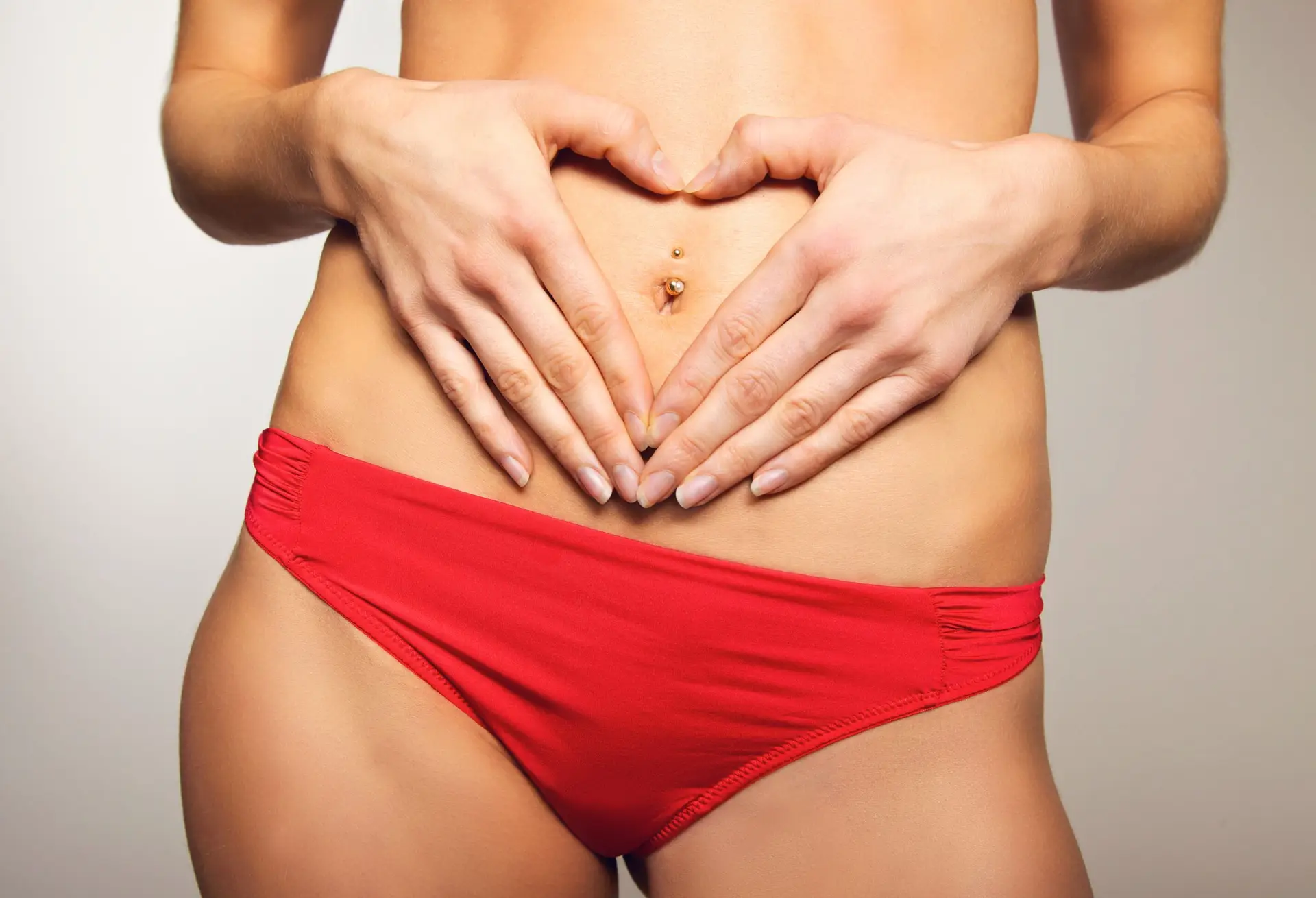
The post The Ultimate Guide to Weight-loss: 5 Proven Strategies for Success appeared first on The Health And Wellness News Blog.
]]>