The post The Link Between Diabetes and Heart Health: What You Can Do to Lower Your Risk appeared first on The Health And Wellness News Blog.
]]>
Understanding Hypoglycemia and Its Risks
One potential side effect of managing blood sugar levels is hypoglycemia, which occurs when blood glucose drops too low. This can cause symptoms such as dizziness, confusion, and even loss of consciousness. Severe cases may require emergency medical attention. To prevent hypoglycemia, it’s essential to monitor your blood sugar regularly and adjust medications if necessary. Additionally, eating frequent meals and snacks throughout the day can help keep blood sugar stable.
The Importance of Insulin Control for Managing Blood Sugar Levels
Insulin is a hormone produced by the pancreas that helps regulate blood sugar levels. For individuals with type 1 diabetes, this means taking daily injections or using an insulin pump to control blood sugar levels. Those with type 2 diabetes may need to take oral medication or injectable insulin as well. Proper management of insulin therapy is crucial for maintaining healthy blood sugar levels and reducing the risk of complications like hyperglycemia (high blood sugar) and hypoglycemia.
Hyperglycemia: Causes, Symptoms, and Treatment Options
Hyperglycemia occurs when blood sugar levels rise above normal ranges. Common causes include not taking sufficient insulin or medication, skipping meals, or consuming excessive amounts of carbohydrates. Symptoms may include increased thirst, frequent urination, blurry vision, and fatigue. If left untreated, hyperglycemia can lead to serious complications such as ketoacidosis, which requires immediate medical treatment. Treatment options typically involve adjusting medication dosages, monitoring blood sugar levels closely, and making lifestyle changes such as improving nutrition and increasing physical activity.
Natural Ways to Lower Your Risk of Developing Type 2 Diabetes
While genetics play a role in the development of type 2 diabetes, lifestyle factors such as poor diet, lack of exercise, and being overweight or obese can significantly increase your risk. Fortunately, there are several natural ways to reduce your risk of developing this condition. These include:
Eating a balanced diet rich in whole foods and limiting processed sugars and refined grains
Engaging in regular physical activity, ideally at least 30 minutes per day
Maintaining a healthy weight through proper portion sizes and moderate calorie intake
Quitting smoking, which has been linked to an increased risk of developing diabetes
Conclusion
Managing blood sugar levels is critical for reducing the risk of complications associated with diabetes, particularly heart disease. By understanding the link between diabetes and heart health, taking steps to control blood sugar levels, and implementing lifestyle modifications, individuals with diabetes can improve their overall health outcomes and live fuller, happier lives.
The post The Link Between Diabetes and Heart Health: What You Can Do to Lower Your Risk appeared first on The Health And Wellness News Blog.
]]>The post Diabetes Symptoms, Causes, and Natural Treatments to Know About appeared first on The Health And Wellness News Blog.
]]>Hypoglycemia: Signs, Symptoms, and Risk Factors
Hypoglycemia refers to low blood sugar levels in individuals with diabetes who take medications to lower their blood glucose levels. The signs and symptoms of hypoglycemia include dizziness, confusion, sweating, shakiness, hunger, weakness, headache, and loss of consciousness. People at risk for hypoglycemia are those taking insulin or certain oral diabetic medications, skipping meals, exercising more than usual, drinking alcohol, or having an underlying medical condition like liver disease or hormonal disorders. To prevent hypoglycemia, patients must monitor their blood sugar levels regularly, eat regular meals, avoid excessive alcohol consumption, and carry snacks with them.
Insulin Control: Tips for Managing Your Blood Sugar Levels
Managing your blood sugar level is essential to prevent complications associated with diabetes. Insulin control involves monitoring your blood sugar levels regularly, eating a balanced diet, getting regular exercise, managing stress, quitting smoking, and limiting alcohol intake. Patients on insulin therapy should also rotate injection sites, check their blood sugar before and after exercise, and adjust their dosage based on changes in activity, illness, or weight gain/loss.

Hyperglycemia: What You Need to Know About High Blood Sugar
High blood sugar (hyperglycemia) is a common problem among people with diabetes. Hyperglycemia occurs when there is too much glucose in the bloodstream due to poor management of diabetes or lack of insulin production. The signs and symptoms of hyperglycemia include increased thirst, frequent urination, fatigue, blurred vision, dry mouth, and skin infections. If left untreated, high blood sugar can cause dehydration, seizures, coma, and even death. Patients with hyperglycemia should seek immediate medical attention and follow-up with lifestyle modifications such as dietary changes, physical activity, and medication adherence.
Conclusion
Diabetes requires careful management to prevent severe health complications. Understanding the symptoms, causes, and natural treatments available can help individuals manage their blood sugar levels effectively. By incorporating lifestyle modifications and seeking medical advice, individuals with diabetes can live long and fulfilling lives.
The post Diabetes Symptoms, Causes, and Natural Treatments to Know About appeared first on The Health And Wellness News Blog.
]]>The post Diabetes Causes, Symptoms, and Prevention Strategies: Everything You Need to Know about Maintaining Healthy Blood Sugar Levels appeared first on The Health And Wellness News Blog.
]]>Introduction to Blood Sugar and Diabetes
Blood sugar refers to the amount of glucose present in the bloodstream. Glucose is produced by the breakdown of carbohydrates in food and is used by the body for energy. Insulin, which is produced by the pancreas, regulates the level of glucose in the bloodstream. When there is too much or too little insulin, blood sugar levels become imbalanced, leading to hyperglycemia (high blood sugar) or hypoglycemia (low blood sugar). Over time, these fluctuations can cause damage to organs and tissues, resulting in chronic conditions like diabetes.

Causes of Hypoglycemia and Hyperglycemia
There are several factors that contribute to high or low blood sugar levels. Some common causes of hyperglycemia include poor diet, lack of physical activity, stress, certain medications, and hormonal changes. On the other hand, some causes of hypoglycemia include overproduction of insulin, skipping meals, excessive exercise, alcohol consumption, and certain medical conditions.
Symptoms of Diabetes and Natural Treatments
The symptoms of diabetes vary depending on the severity of the condition. Common signs of hyperglycemia include increased thirst, frequent urination, blurred vision, fatigue, and weight loss. Signs of hypoglycemia may include dizziness, confusion, sweating, tremors, and fainting. If left untreated, both types of blood sugar imbalances can result in long-term complications such as nerve damage, kidney failure, cardiovascular disease, and even death.
Natural treatments for diabetes include lifestyle modifications such as regular exercise, a balanced diet rich in whole grains, fruits, vegetables, lean protein sources, and healthy fats. Additionally, herbs like cinnamon, gymnema sylvestre, and bitter melon have been shown to help regulate blood sugar levels naturally.
Insulin Control and Management Tips
For individuals with type 1 or type 2 diabetes who require insulin therapy, proper insulin control and management are crucial for maintaining healthy blood sugar levels. This includes monitoring blood sugar levels regularly, taking insulin at consistent times each day, adjusting dosages based on dietary intake and physical activity, and avoiding skipped or missed doses.
Prevention Strategies for Maintaining Healthy Blood Sugar Levels
To prevent blood sugar imbalances and reduce the risk of developing diabetes, here are some effective prevention strategies:
Eat a well-balanced diet that is low in processed sugars and refined carbohydrates
Engage in regular physical activity, ideally at least 30 minutes per day
Avoid smoking and limit alcohol consumption
Manage stress through relaxation techniques like meditation or yoga
Get enough sleep every night
Conclusion: Final Thoughts on Managing Your Blood Sugar
Maintaining healthy blood sugar levels is critical for overall health and wellbeing. By understanding the causes, symptoms, and treatment options for blood sugar imbalances, individuals can take proactive steps towards preventing and managing diabetes. Remember to consult with a healthcare professional before making any significant lifestyle changes or starting new medications.
The post Diabetes Causes, Symptoms, and Prevention Strategies: Everything You Need to Know about Maintaining Healthy Blood Sugar Levels appeared first on The Health And Wellness News Blog.
]]>The post Hypoglycemia vs Hyperglycemia: What You Need to Know About Low and High Blood Sugar appeared first on The Health And Wellness News Blog.
]]>Introduction to Hypoglycemia and Hyperglycemia
Low blood sugar or hypoglycemia occurs when your body doesn’t have enough glucose to fuel its cells. This condition can happen if you take medication that lowers your blood sugar level or if you don’t eat enough food to maintain normal blood sugar levels. On the other hand, high blood sugar or hyperglycemia happens when there is too much glucose in your bloodstream. It often affects people with type 2 diabetes who are not able to produce insulin or use it effectively.
Causes of Low Blood Sugar (Hypoglycemia) and High Blood Sugar (Hyperglycemia
There are several factors that contribute to hypoglycemia including taking certain medications like insulin or sulfonylureas, skipping meals, exercising excessively without eating enough carbohydrates, drinking alcohol on an empty stomach, and having an underlying medical condition such as liver disease or kidney failure.
Symptoms of Hypoglycemia and Hyperglycemia
The signs and symptoms of hypoglycemia include dizziness, confusion, fatigue, shakiness, sweating, hunger, irritability, difficulty speaking, and loss of consciousness. If left untreated, severe hypoglycemia can lead to seizures, coma, and even death.

On the other hand, hyperglycemia may cause no symptoms at all until the blood sugar level becomes very high. However, some common symptoms of hyperglycemia include increased thirst, frequent urination, blurred vision, dry mouth, headache, tiredness, and nausea. Untreated hyperglycemia can also lead to long-term complications such as heart disease, stroke, blindness, amputation, and kidney damage.
Diabetes Management: Insulin Control and Blood Sugar Monitoring
If you have been diagnosed with diabetes, managing your blood sugar levels through proper insulin control and regular monitoring is essential. Your doctor may recommend lifestyle changes such as following a balanced diet, getting regular exercise, quitting smoking, reducing stress, and avoiding alcohol consumption. Additionally, they may prescribe medications such as insulin therapy, oral anti-diabetics, and injectable drugs to help manage your blood sugar levels.
Natural Treatments for Diabetes and Blood Sugar Imbalances
In addition to conventional treatment methods, there are natural remedies that can help regulate blood sugar levels. These include consuming herbs such as cinnamon, ginseng, and bitter melon extract, practicing yoga and meditation to reduce stress, and incorporating physical activity into your daily routine. Eating a diet rich in fiber, whole grains, fruits, vegetables, lean protein sources, and healthy fats can also help improve blood sugar balance.
The post Hypoglycemia vs Hyperglycemia: What You Need to Know About Low and High Blood Sugar appeared first on The Health And Wellness News Blog.
]]>The post Diabetes Symptoms and Causes: What You Need to Know About Insulin Control appeared first on The Health And Wellness News Blog.
]]>
Introduction to Diabetes and Insulin Control
Insulin is a hormone produced by the pancreas that helps regulate blood sugar levels in the body. When we eat food, our bodies break down carbohydrates into glucose, which is then absorbed into the bloodstream. Insulin helps transport glucose from the bloodstream to cells throughout the body where it can be used as energy.
When someone has diabetes, their body either doesn’t produce enough insulin (type 1) or becomes resistant to insulin (type 2). As a result, blood sugar levels remain elevated, putting individuals at risk for various health problems such as heart disease, stroke, nerve damage, and blindness.
Symptoms of Hyperglycemia and Hypoglycemia
The signs and symptoms of hyperglycemia (high blood sugar) include increased thirst, frequent urination, blurred vision, fatigue, and dry skin. If left unchecked, high blood sugar can lead to more severe complications such as kidney failure, cardiovascular disease, and nerve damage.
On the other hand, hypoglycemia (low blood sugar) can occur in those taking medication for diabetes or those with an underlying medical condition. Symptoms may include dizziness, confusion, sweating, tremors, and fainting. Severe cases of low blood sugar can even cause seizures or loss of consciousness.
Causes of Diabetes and Risk Factors
There are several factors that increase one’s risk of developing type 2 diabetes including obesity, physical inactivity, poor diet, family history, age, and ethnic background. Additionally, certain medical conditions such as polycystic ovarian syndrome, metabolic syndrome, and prediabetes can also put individuals at higher risk.
Natural Treatments for Diabetes Management

While medications like insulin therapy and oral hypoglycemics are often necessary for managing diabetes, there are also many natural treatments that can help improve blood sugar control. These include maintaining a healthy weight through exercise and diet, consuming fiber-rich foods, reducing stress, getting adequate sleep, and avoiding smoking and excessive alcohol consumption.
Importance of Monitoring Blood Sugar Levels
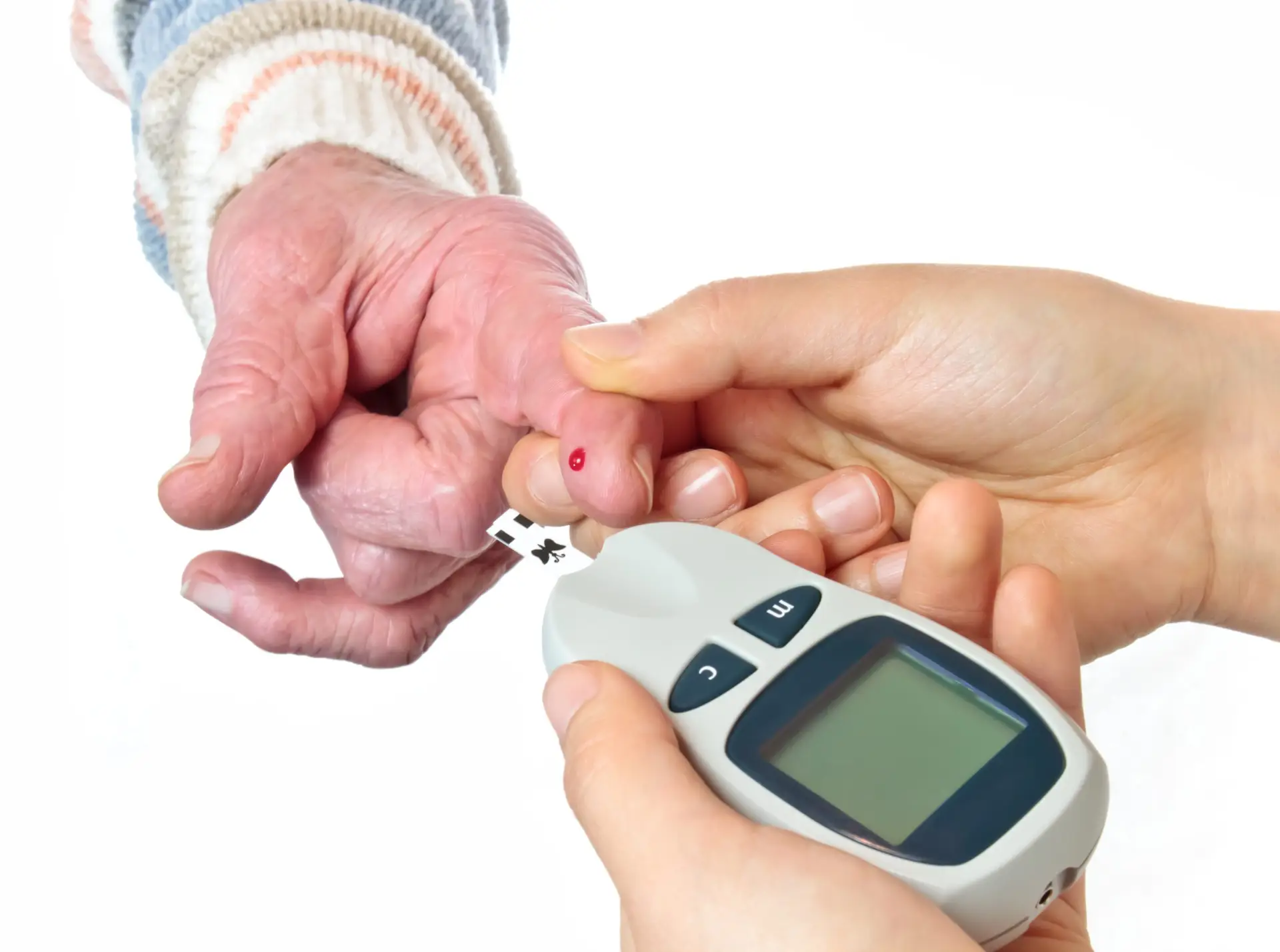
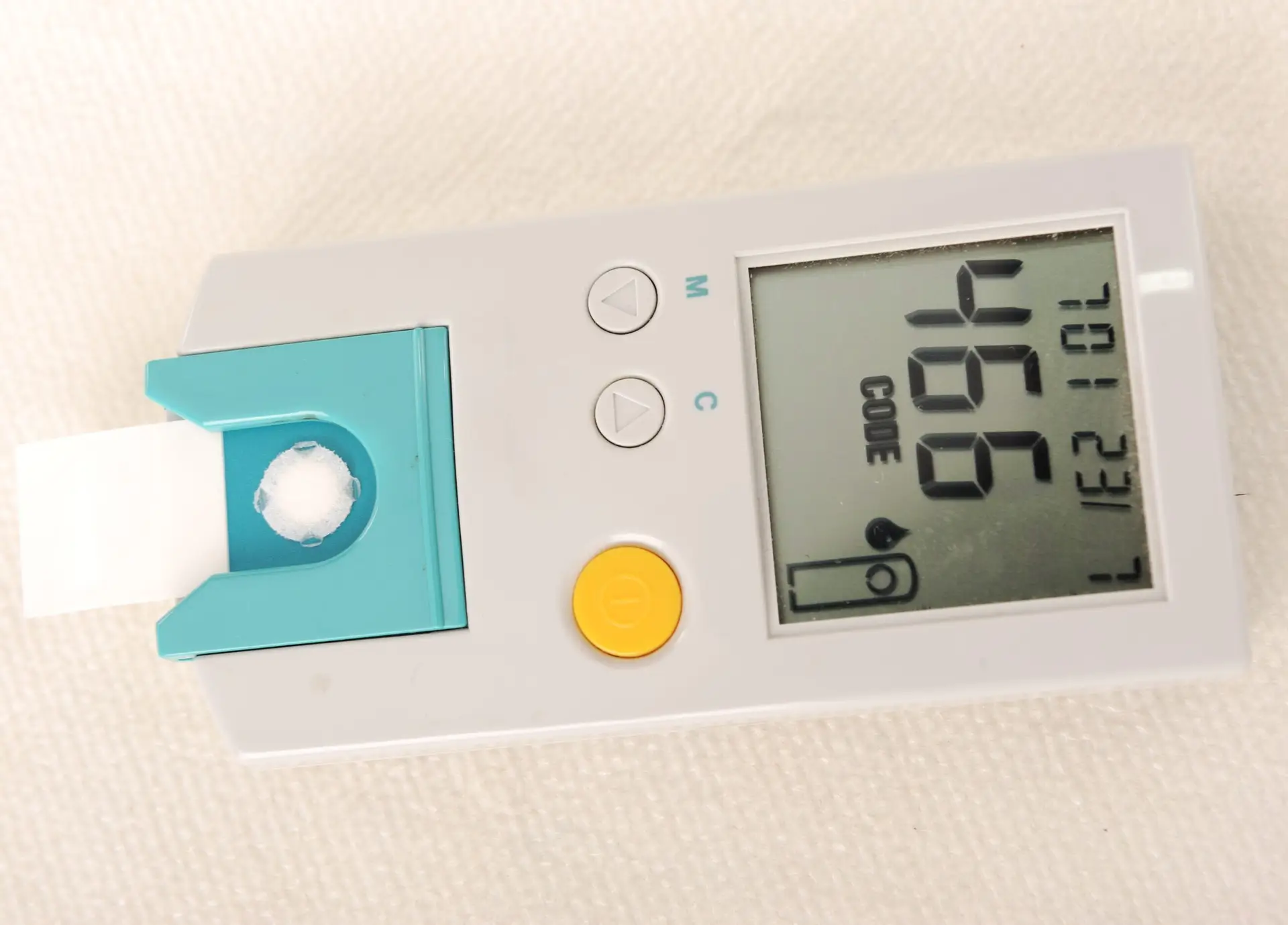
Regular monitoring of blood sugar levels is essential for managing diabetes. This involves using a glucometer to check blood sugar levels before meals and after eating, as well as tracking patterns over time. By keeping track of blood sugar levels, individuals can make adjustments to their treatment plan and prevent complications from occurring.
Conclusion: Taking Action Against Diabetes
Taking action against diabetes requires a multifaceted approach that includes lifestyle changes, regular monitoring, and appropriate medical intervention. By understanding the symptoms, causes, and natural treatments for diabetes, individuals can take steps towards better blood sugar control and improved overall health.
The post Diabetes Symptoms and Causes: What You Need to Know About Insulin Control appeared first on The Health And Wellness News Blog.
]]>The post Natural Ways to Keep Your Blood Sugar Levels in Check appeared first on The Health And Wellness News Blog.
]]>Introduction to Blood Sugar Levels
Blood sugar level refers to the amount of glucose present in the bloodstream. Glucose is a type of sugar that provides energy to our cells. The normal range for blood sugar levels is between 70-130 mg/dL before meals and less than 180 mg/dL after eating. When blood sugar levels exceed these limits, it can cause complications such as nerve damage, kidney failure, blindness, heart disease, stroke, and even coma.
Natural Ways to Manage Hypoglycemia and Hyperglycemia
There are several natural ways to manage hypoglycemia and hyperglycemia:
1. Eat a balanced diet – A balanced diet consisting of whole grains, fruits, vegetables, lean protein sources, and healthy fats can help regulate blood sugar levels. It’s also essential to avoid processed foods, refined sugars, and saturated fats.
2. Exercise regularly – Regular exercise helps improve insulin sensitivity and promotes weight loss, which can reduce the risk of developing diabetes.
3. Maintain a healthy weight – Being overweight or obese increases the risk of developing diabetes and other related illnesses. Losing just five percent of body weight can significantly lower blood sugar levels.
4. Get enough sleep – Lack of sleep can increase stress hormones, leading to higher blood sugar levels. Adults should aim for seven to eight hours of quality sleep each night.
5. Reduce stress – Chronic stress can raise cortisol levels, leading to increased blood sugar levels. Practicing relaxation techniques like meditation, yoga, or deep breathing exercises can help alleviate stress.
The Role of Insulin in Diabetes Management
Insulin is a hormone produced by the pancreas that regulates blood sugar levels. People with diabetes either don’t produce enough insulin (type 1) or become resistant to insulin (type 2). To manage diabetes, patients may need to take insulin shots or use an insulin pump to control their blood sugar levels.
Common Causes and Symptoms of Diabetes
Diabetes is caused by genetic factors, lifestyle choices, and environmental factors. Some common causes include being overweight, having a family history of diabetes, lack of physical activity, poor diet, and smoking. Common symptoms of diabetes include frequent urination, excessive thirst, blurry vision, fatigue, numbness or tingling in hands or feet, and slow healing wounds.
Conclusion
Maintaining stable blood sugar levels is crucial for overall health. By following a balanced diet, regular exercise routine, getting adequate rest, reducing stress, and managing diabetes through medications if necessary, you can prevent complications associated with uncontrolled blood sugar levels.
The post Natural Ways to Keep Your Blood Sugar Levels in Check appeared first on The Health And Wellness News Blog.
]]>The post Insulin Control: The Key to Managing Diabetes appeared first on The Health And Wellness News Blog.
]]>
Introduction to Insulin Control
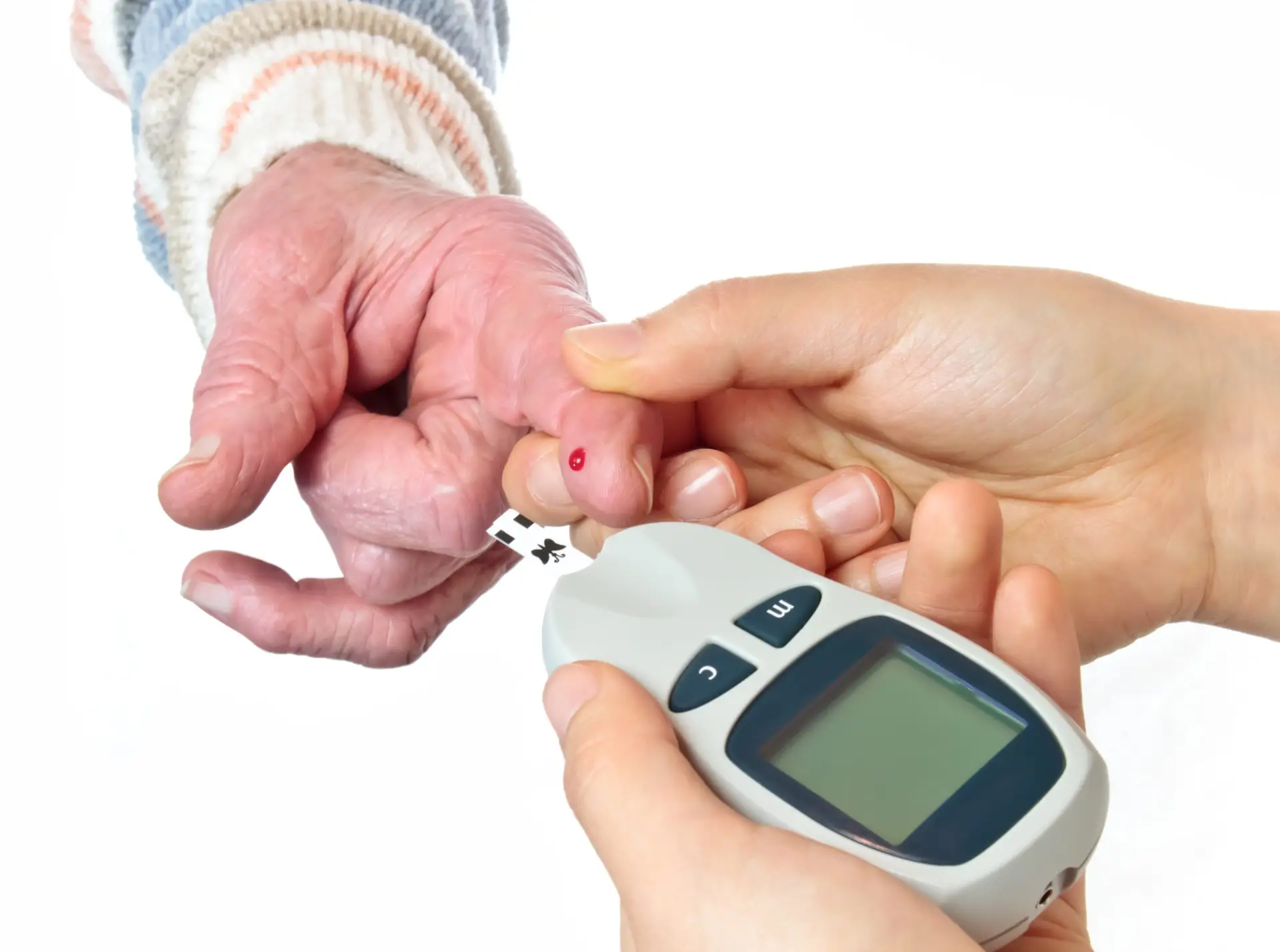
Insulin is a hormone produced by the pancreas that helps regulate blood sugar levels in the body. When you eat food, your body breaks down carbohydrates into glucose, which enters your bloodstream. Insulin then signals cells throughout your body to take up glucose from the bloodstream and convert it into energy. For someone with diabetes, however, their body either doesn’t make enough insulin (type 1) or has become resistant to insulin (type 2). This means they need to take insulin medication to help manage their blood sugar levels.
Understanding Hypoglycemia and Hyperglycemia
Hypoglycemia refers to low blood sugar levels, while hyperglycemia refers to high blood sugar levels. Both are dangerous conditions that require immediate medical attention. Symptoms of hypoglycemia include dizziness, confusion, sweating, shakiness, and loss of consciousness. Hyperglycemia symptoms may include increased thirst, frequent urination, blurred vision, fatigue, and headaches. Maintaining good insulin control is essential in preventing these extreme blood sugar fluctuations.
The Importance of Insulin in Diabetes Management

Insulin plays a critical role in managing diabetes because it helps regulate blood sugar levels. Taking too much insulin can cause hypoglycemia, while not taking enough can result in hyperglycemia. Additionally, if insulin isn’t administered properly, it can lead to weight gain, lipohypertrophy (fatty deposits under the skin), and other side effects. However, with careful monitoring and adjustment, insulin therapy can be an effective way to manage blood sugar levels and reduce the risk of long-term complications associated with diabetes.
Natural Treatments for Diabetes
While insulin therapy is often necessary for those with diabetes, there are also several natural treatments that can help improve blood sugar control. These include regular exercise, a balanced diet rich in whole grains, fruits, vegetables, lean proteins, and healthy fats, stress reduction techniques like meditation or yoga, and supplements like cinnamon or chromium. While these approaches won’t replace traditional treatment methods, they can complement them and provide additional benefits for overall health and wellbeing.
Conclusion: Taking Control of Your Blood Sugar Levels
Maintaining good insulin control is crucial for managing diabetes and reducing the risk of serious health complications. By understanding the importance of insulin therapy, recognizing signs of hypoglycemia and hyperglycemia, incorporating natural treatments into your routine, and working closely with your healthcare provider, you can take control of your blood sugar levels and live a full and active life despite having diabetes.
The post Insulin Control: The Key to Managing Diabetes appeared first on The Health And Wellness News Blog.
]]>The post Diabetes Symptoms, Causes, and Natural Treatments to Know About appeared first on The Health And Wellness News Blog.
]]>Introduction to Diabetes and Blood Sugar
Diabetes is a chronic condition that affects the way your body processes glucose or blood sugar. When you eat food, your pancreas produces insulin which helps transport glucose from your bloodstream into your cells for energy. If you have diabetes, either your body doesn’t produce enough insulin or it becomes resistant to insulin. This leads to high blood sugar levels which can cause various health problems if left untreated.
Symptoms of Hypoglycemia and Hyperglycemia
The signs and symptoms of low blood sugar (hypoglycemia) include dizziness, sweating, shakiness, confusion, headache, hunger, and weakness. On the other hand, high blood sugar (hyperglycemia) can cause increased thirst, frequent urination, blurred vision, fatigue, dry skin, and fruity-smelling breath. These symptoms may vary depending on individual factors like age, weight, and overall health status.

Causes of Diabetes and Insulin Control
There are several risk factors associated with developing type 2 diabetes including obesity, family history, poor diet, lack of physical activity, and aging. Type 1 diabetes, however, is caused by genetic and environmental factors that trigger an immune response in the body leading to destruction of insulin-producing cells in the pancreas. Controlling insulin levels through regular monitoring and medication is crucial in managing diabetes.
Natural Treatments for Diabetes and Blood Sugar Management
In addition to conventional treatment methods, there are also many natural ways to help manage blood sugar levels. Eating a balanced diet rich in whole grains, vegetables, fruits, lean protein sources, and healthy fats can improve blood sugar control. Regular exercise can also lower blood sugar levels while reducing stress and improving heart health. Additionally, certain herbs and supplements like cinnamon, bitter melon, and gymnema sylvestre have been shown to be effective in regulating blood sugar levels.
Conclusion: Taking Care of Your Blood Sugar Levels

Managing blood sugar levels is critical in preventing the complications associated with diabetes such as nerve damage, kidney failure, blindness, and cardiovascular disease. By understanding the symptoms, causes, and natural treatments available, you can take proactive steps towards maintaining optimal blood sugar levels and living a healthier life.
The post Diabetes Symptoms, Causes, and Natural Treatments to Know About appeared first on The Health And Wellness News Blog.
]]>The post Blood Sugar Balance: The Key to Living a Healthy Life With or Without Diabetes appeared first on The Health And Wellness News Blog.
]]>Introduction to Blood Sugar Balance
Blood sugar refers to the amount of glucose present in your bloodstream. Glucose is an essential source of energy that fuels our body cells, especially the brain cells. When you eat food, your digestive system breaks down carbohydrates into glucose, which is then absorbed into the bloodstream. Your pancreas produces insulin, a hormone that helps regulate blood sugar levels by facilitating the entry of glucose into the cells. Therefore, maintaining normal blood sugar levels is critical for good health.
What is Hypoglycemia and Its Symptoms?
Hypoglycemia occurs when your blood sugar level drops below 70 mg/dL. This condition can be dangerous as it deprives your brain cells of the necessary fuel they require to function correctly. Some of the signs and symptoms of hypoglycemia include dizziness, confusion, fatigue, sweating, trembling, headache, and irritability. If left untreated, hypoglycemia can cause seizures, loss of consciousness, and even death. People with diabetes are at higher risk of developing hypoglycemia, but anyone can experience it due to various reasons such as fasting, certain medications, or underlying medical conditions.
Understanding Diabetes and Its Causes
Diabetes is a chronic disease characterized by high blood sugar levels. There are two main types of diabetes – type 1 and type 2. Type 1 diabetes occurs when your immune system attacks and destroys the insulin-producing cells in your pancreas, leading to a lack of insulin production. On the other hand, type 2 diabetes develops when your body becomes resistant to insulin or doesn’t produce enough insulin to meet its needs. Risk factors for type 2 diabetes include obesity, physical inactivity, poor diet, family history, age, and ethnicity.
Insulin Control: The Key to Managing Blood Sugar Levels
Maintaining proper insulin control is vital for managing blood sugar levels. People with diabetes may require daily insulin injections or use an insulin pump to manage their blood sugar levels. Additionally, lifestyle modifications such as regular exercise, a balanced diet, and stress management can also help improve insulin sensitivity and reduce the risk of complications associated with diabetes.
Hyperglycemia: Signs, Symptoms, and Prevention
Hyperglycemia occurs when your blood sugar level rises above 180 mg/dL. This condition can lead to several long-term complications such as nerve damage, kidney failure, cardiovascular diseases, and eye problems. Common signs and symptoms of hyperglycemia include increased thirst, frequent urination, blurred vision, fatigue, dry mouth, and weight loss. To prevent hyperglycemia, it’s essential to follow a strict diabetic meal plan, engage in regular physical activity, monitor your blood sugar levels regularly, and take prescribed medication on time.
Conclusion
Maintaining optimal blood sugar balance is crucial for living a healthy life with or without diabetes. By understanding the causes and symptoms of blood sugar imbalances, taking appropriate measures to manage insulin levels, and making healthy lifestyle choices, you can significantly lower your risk of developing serious health complications related to blood sugar imbalances.
The post Blood Sugar Balance: The Key to Living a Healthy Life With or Without Diabetes appeared first on The Health And Wellness News Blog.
]]>The post The Dangers of Uncontrolled Blood Sugar: How to Prevent Hyperglycemia and Hypoglycemia appeared first on The Health And Wellness News Blog.
]]>Introduction to Blood Sugar and its Dangers
Blood sugar refers to the amount of glucose present in your bloodstream. Glucose comes from carbohydrates found in food and drinks, which gets broken down into simple sugars during digestion. The pancreas produces insulin, a hormone that helps regulate blood sugar levels by signaling cells to take up glucose for energy production. When there isn’t enough insulin produced or the body becomes resistant to insulin, blood sugar levels rise leading to hyperglycemia. On the other hand, when too much insulin is produced or the body doesn’t respond well to insulin, blood sugar levels drop causing hypoglycemia. Both conditions can cause severe health issues if left untreated.
Understanding Hypoglycemia and Hyperglycemia
Hyperglycemia occurs when blood sugar levels exceed 180 mg/dL after fasting for eight hours or more than 250mg/dl at any time. Symptoms include increased thirst, frequent urination, blurred vision, fatigue, and headaches. If left unchecked, hyperglycemia can damage organs such as kidneys, eyes, nerves, and heart. Hypoglycemia happens when blood sugar drops below 70mg/dl, leading to symptoms like confusion, dizziness, sweating, trembling, and fainting. Severe cases may require emergency medical attention.

Importance of Insulin Control for Diabetes Management
Insulin control plays a crucial role in managing blood sugar levels for individuals with type 1 and type 2 diabetes. Regular monitoring of blood sugar levels, along with proper medication management, exercise, and nutritious meal planning, can help maintain stable blood sugar levels. For patients taking insulin therapy, they need to ensure their dosage matches their daily activities and food intake to avoid either hyper- or hypoglycemia.
Natural Treatments for Managing Blood Sugar Levels
Apart from conventional treatment methods, some natural remedies have shown promise in managing blood sugar levels. These include:
1. Exercise – regular physical activity can improve insulin sensitivity and lower blood sugar levels.
2. Dietary changes – consuming whole grains, vegetables, fruits, lean protein sources, and reducing processed foods can aid in controlling blood sugar levels.
3. Herbal supplements – cinnamon extract, gymnema sylvestre, fenugreek seeds, and bitter melon have been studied for their ability to reduce blood sugar levels.
4. Acupuncture – certain acupoints on the body have shown positive effects in improving blood sugar metabolism.
Conclusion
Uncontrolled blood sugar levels can be dangerous for anyone, especially those with diabetes. By understanding the risks associated with hyperglycemia and hypoglycemia, implementing lifestyle modifications, and seeking professional care, you can manage blood sugar levels effectively.
The post The Dangers of Uncontrolled Blood Sugar: How to Prevent Hyperglycemia and Hypoglycemia appeared first on The Health And Wellness News Blog.
]]>