
Diabetes is a chronic condition that affects millions of people worldwide. It occurs when the body cannot produce or use insulin, which leads to high levels of sugar in the bloodstream. Managing blood sugar levels is crucial for preventing complications such as heart disease, stroke, and nerve damage. In this article, we will explore the importance of understanding blood sugar and how it relates to diabetes management.
Introduction to Blood Sugar and Diabetes Management
Blood sugar refers to the amount of glucose present in your bloodstream. Glucose provides energy to our cells and is essential for survival. However, too much or too little glucose can be dangerous. People with diabetes have difficulty regulating their blood sugar levels, which can lead to hyperglycemia (high blood sugar) or hypoglycemia (low blood sugar).
Understanding Hypoglycemia and its Symptoms

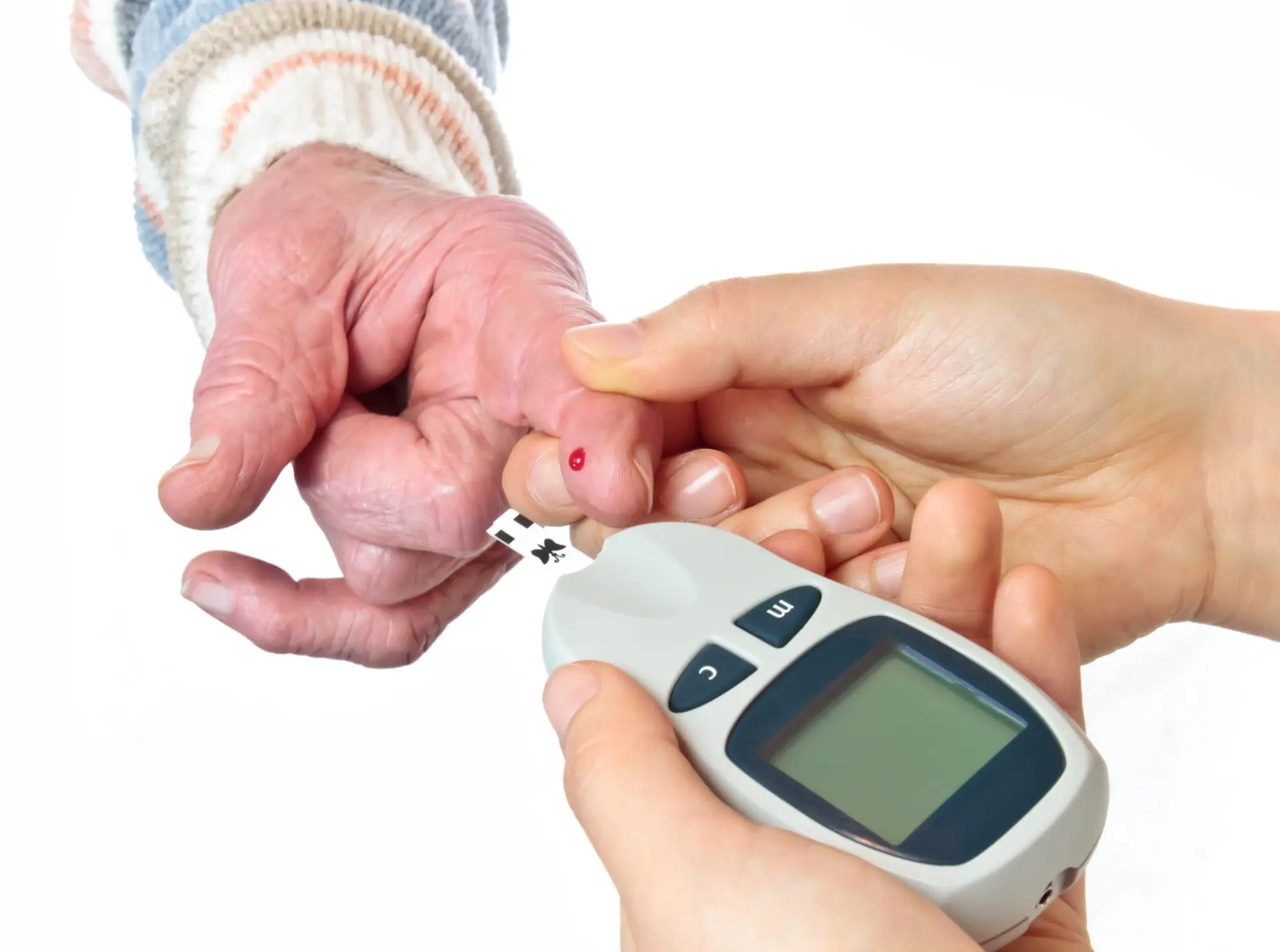
Hypoglycemia occurs when blood sugar levels drop below normal range. This can happen if you take too much insulin, skip meals, or exercise excessively. Symptoms of hypoglycemia include dizziness, confusion, sweating, shakiness, and headaches. Severe cases may cause loss of consciousness, seizures, or even death. It’s essential to monitor your blood sugar regularly and carry snacks to avoid hypoglycemia.
The Role of Insulin in Managing Blood Sugar Levels
Insulin is a hormone produced by the pancreas that helps regulate blood sugar levels. People with type 1 diabetes do not produce enough insulin, while those with type 2 diabetes become resistant to insulin. To manage blood sugar levels, patients must inject insulin daily or use an insulin pump. Proper dosage and timing are critical to prevent both hyper- and hypoglycemia.
Hyperglycemia: Causes, Symptoms, and Treatment Options
Hyperglycemia occurs when blood sugar levels remain elevated over time. Common causes include poor diet, lack of physical activity, stress, and certain medications. Symptoms of hyperglycemia include increased thirst, frequent urination, fatigue, blurred vision, and dry skin. Long-term effects include cardiovascular disease, kidney failure, and neuropathy. Treatment options include lifestyle changes, medication adjustments, and monitoring blood sugar levels regularly.
Conclusion
Managing blood sugar levels is challenging but vital for people living with diabetes. Understanding the role of insulin, recognizing symptoms of hypoglycemia and hyperglycemia, and making healthy lifestyle choices can help prevent complications and improve overall health.