
Blood sugar is an essential component of our body’s metabolic process. It provides energy to the cells, fuels the brain, and helps regulate various bodily functions. However, when blood sugar levels are too high or too low, it can lead to serious health problems such as hypoglycemia and hyperglycemia respectively. In this article, we will discuss the basics of these two conditions, their causes, symptoms, diagnosis, and natural treatments for diabetes.
Introduction to Blood Sugar
Blood sugar refers to the amount of glucose present in the bloodstream. Glucose is a type of simple sugar that serves as the primary source of fuel for our bodies. When we eat food, our digestive system breaks down carbohydrates into glucose, which is then absorbed into the bloodstream. Insulin, a hormone produced by the pancreas, regulates the level of blood sugar by facilitating its entry into the cells where it is used for energy production.
What is Hypoglycemia?
Hypoglycemia occurs when blood sugar levels fall below normal range (less than 70 mg/dL). This condition usually affects people with diabetes who take insulin or other medications to lower their blood sugar levels. Symptoms of hypoglycemia include dizziness, confusion, sweating, tremors, weakness, hunger, and irritability. If left untreated, it can cause seizures, loss of consciousness, coma, and even death. Causes of hypoglycemia include overuse of insulin, skipping meals, excessive exercise, certain medical conditions like liver disease or kidney failure, and some medications.
Diabetes and Insulin Control
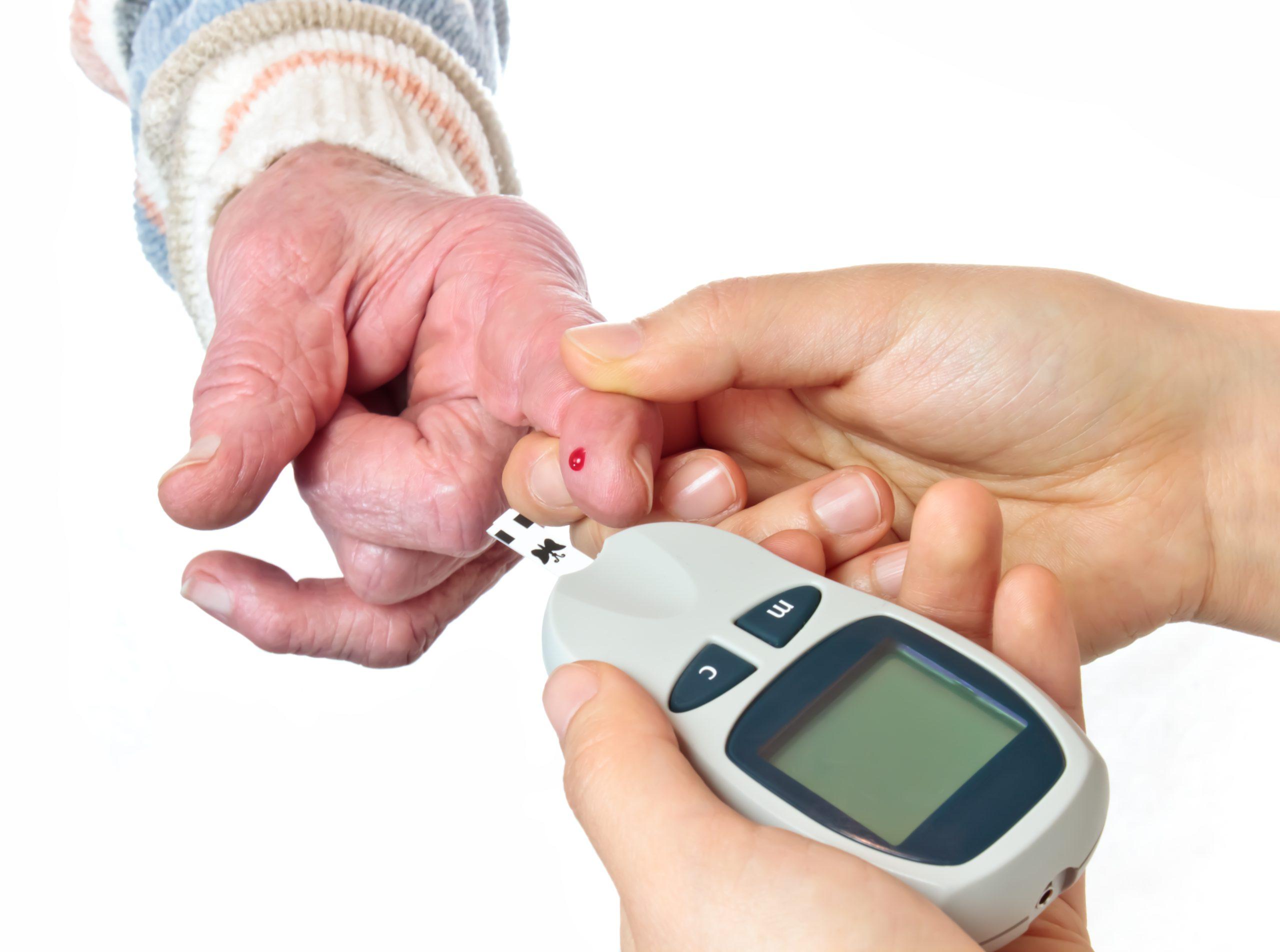
Diabetes is a chronic condition characterized by elevated blood sugar levels due to either lack of insulin production or resistance to insulin action. People with diabetes need to monitor their blood sugar levels regularly and adjust their insulin dosage accordingly to prevent hypoglycemia. They should also maintain a healthy lifestyle by eating a balanced diet, exercising regularly, avoiding smoking and alcohol consumption, and taking prescribed medicines on time.
Understanding Hyperglycemia

Hyperglycemia occurs when blood sugar levels rise above normal range (greater than 135-140 mg/dL) and persistently stay there. This condition is commonly seen in people with diabetes who have poor control over their blood sugar levels. Symptoms of hyperglycemia include increased thirst, frequent urination, fatigue, blurred vision, dry mouth, and weight loss. Untreated hyperglycemia can lead to long-term complications such as heart disease, stroke, nerve damage, eye damage, foot ulcers, and amputations.
Causes of Diabetes
The exact cause of diabetes is unknown, but several factors contribute to its development including genetic susceptibility, environmental triggers, and lifestyle choices. Type 1 diabetes is caused by autoimmune destruction of beta cells in the pancreas that produce insulin, while type 2 diabetes results from insulin resistance and impaired insulin secretion. Risk factors for developing diabetes include family history, obesity, physical inactivity, aging, ethnicity, and certain medical conditions like polycystic ovarian syndrome and gestational diabetes.
Natural Treatments for Diabetes
In addition to conventional treatment methods, many people with diabetes turn to natural remedies to manage their blood sugar levels. Some effective natural treatments include herbs like gymnema sylvestre, fenugreek, cinnamon, and bitter melon, which help improve insulin sensitivity and reduce blood sugar levels. Regular exercise, stress management techniques like yoga and meditation, and a healthy diet rich in fiber, whole grains, fruits, vegetables, lean protein, and healthy fats can also be beneficial in managing diabetes.