

Hypoglycemia is a condition characterized by low blood sugar levels. It can be dangerous if left untreated, as it can cause seizures, loss of consciousness, and even death in severe cases. In this blog post, we will discuss the dangers of hypoglycemia, its causes and risk factors, symptoms, diagnosis and treatment, insulin control and management tips for diabetics, and natural remedies for managing blood sugar levels.
Introduction to Hypoglycemia
Low blood sugar or hypoglycemia occurs when your body’s glucose level falls below normal range. Glucose provides energy to our cells, and a drop in its level can lead to various health problems. The normal range of blood sugar is between 70-140 mg/dL before meals and less than 180 mg/dL after eating. When your blood sugar drops below 50mg/dL, you may experience symptoms such as confusion, weakness, trembling, sweating, rapid heartbeat, and hunger. Severe hypoglycemia can result in seizures, loss of consciousness, coma, and even death.
Causes and Risk Factors of Hypoglycemia
There are several reasons why someone might develop hypoglycemia. One common reason is taking too much medication for diabetes. Other causes include hormonal disorders like adrenal insufficiency, liver disease, kidney failure, and certain types of cancer. People who have undergone bariatric surgery or those with an eating disorder are also at higher risk of developing hypoglycemia.
Symptoms of Low Blood Sugar
The signs and symptoms of hypoglycemia vary from person to person but typically appear within minutes or hours after eating. Some common symptoms include:
Confusion
Weakness
Trembling
Sweating
Rapid heartbeat
Hunger
Diagnosis and Treatment of Hypoglycemia
To diagnose hypoglycemia, doctors usually perform a blood test called the fasting plasma glucose test. If the results show that your blood sugar level is below 70 mg/dL, then you may have hypoglycemia. Treatment options depend on the severity of the condition. Mild hypoglycemia can be treated with simple carbohydrates like fruit juice, candy, or soda. Moderate to severe hypoglycemia requires immediate medical attention. Doctors may administer intravenous glucose or give an injection of glucagon, which stimulates the release of stored glucose in the liver.
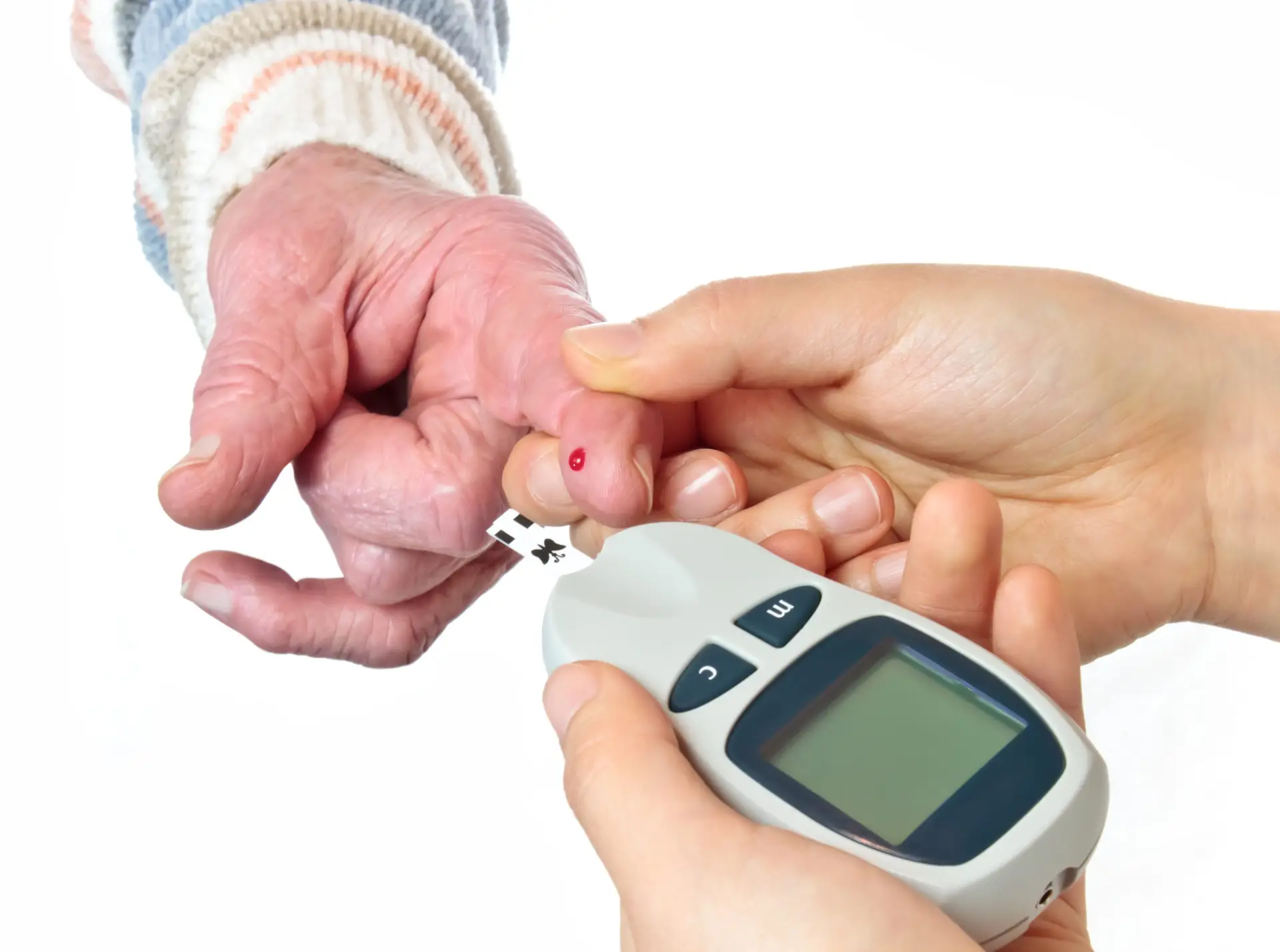
Insulin Control and Management Tips for Diabetics
If you have diabetes, controlling your insulin levels is crucial in preventing hypoglycemia. Here are some tips for managing your insulin levels:
Monitor your blood sugar regularly
Follow your doctor’s instructions regarding insulin dosages
Eat a balanced diet rich in complex carbs and fiber
Exercise regularly
Avoid alcohol consumption
Natural Remedies for Managing Blood Sugar Levels
While medications are essential in managing blood sugar levels, there are also natural ways to keep them stable. These include:
Regular exercise
Healthy diet rich in fruits, vegetables, whole grains, lean protein, and healthy fats
Stress reduction techniques like meditation or yoga
Getting enough sleep
Conclusion
Hypoglycemia can be a serious health problem if not managed properly. By understanding its causes, symptoms, diagnosis, and treatments, you can take steps towards maintaining healthy blood sugar levels. Remember to always consult with your doctor before making any significant changes to your diet or lifestyle.