

Hypoglycemia is a condition where your blood sugar levels drop below normal. It can be dangerous if left untreated, and it’s crucial to know the signs and symptoms of low blood sugar levels. In this blog post, we will discuss everything you need to know about hypoglycemia, including its causes, symptoms, treatment options, and how to maintain healthy blood sugar levels.

Introduction to Hypoglycemia and Its Dangers
Low blood sugar levels occur when there isn’t enough glucose in your body to fuel your cells. This can happen for various reasons, such as not eating enough or taking too much insulin. When your blood sugar drops too low, it can cause severe side effects that require immediate medical attention. Symptoms of hypoglycemia include dizziness, confusion, fainting, seizures, and even loss of consciousness. If left untreated, it can lead to brain damage, coma, or death. Therefore, it’s essential to recognize the warning signs and take action quickly.
Causes of Low Blood Sugar Levels in Diabetic Patients
Diabetics are at risk of developing hypoglycemia due to their inability to produce sufficient amounts of insulin. Some common causes of low blood sugar levels in diabetic patients include skipping meals, overexercising, drinking alcohol, taking certain medications, and injecting too much insulin.
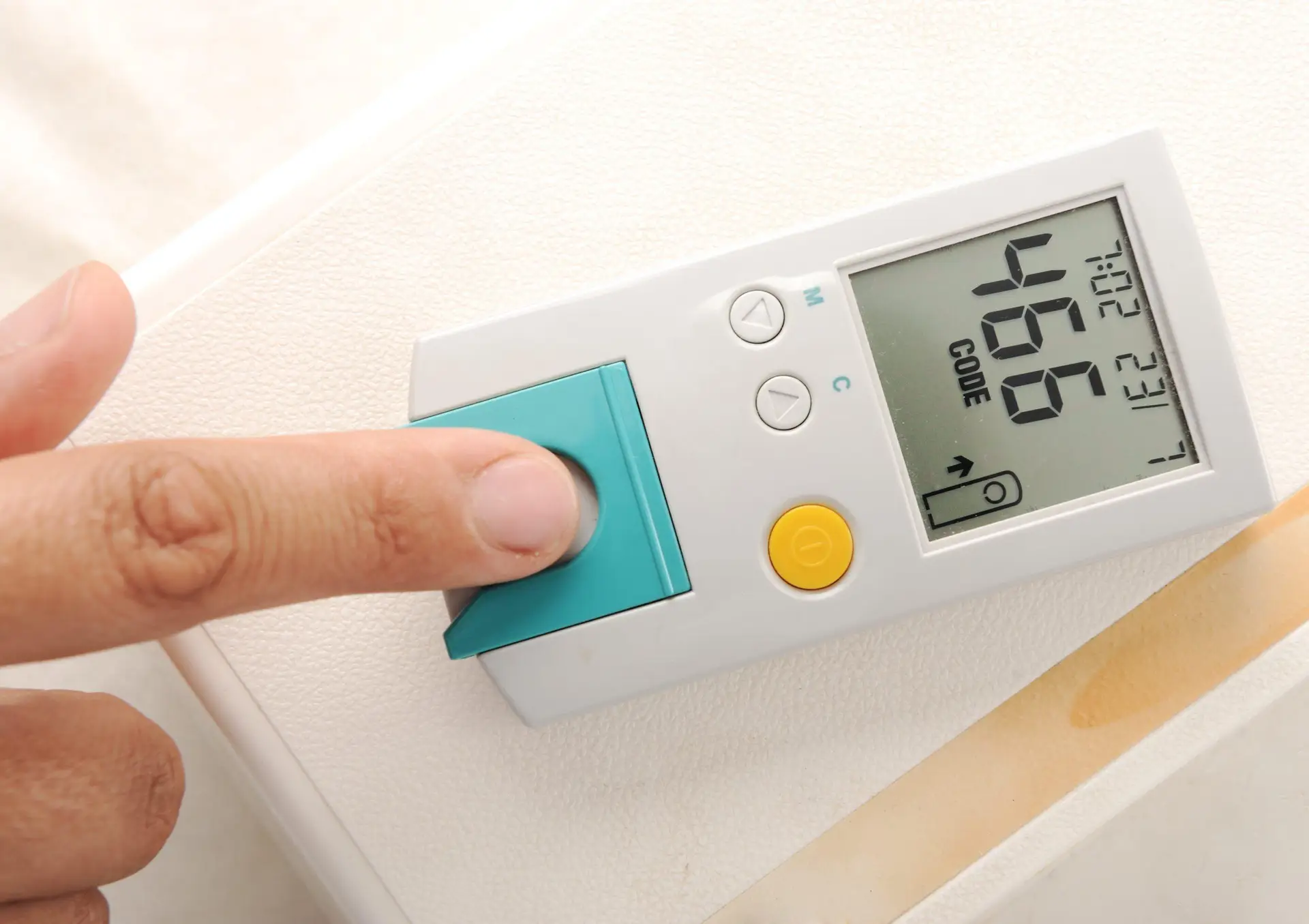
Symptoms of Hypoglycemia and When to Seek Medical Attention
If you experience any of these symptoms, seek medical help immediately:
Confusion or difficulty concentrating
Shakiness or trembling
Sweating or clammy skin
Weakness or fatigue
Hunger or nausea
Irritability or mood changes
Visual disturbances
Loss of consciousness
How to Maintain Healthy Blood Sugar Levels with Insulin Control
To prevent hypoglycemia, it’s vital to monitor your blood sugar levels regularly and adjust your insulin dosage accordingly. You should also eat regular meals and snacks throughout the day, avoid excessive exercise without food intake, limit alcohol consumption, and manage stress effectively. Additionally, keeping track of your carbohydrate intake and making healthier food choices can help regulate your blood sugar levels.
Natural Treatments for Hyperglycemia and Preventing Diabetes Complications
In addition to managing your blood sugar levels through insulin control, natural treatments like herbs, supplements, and lifestyle modifications may support overall health and reduce the risk of complications associated with hyperglycemia. These include cinnamon, chromium, alpha lipoic acid, bitter melon extract, and berberine. Regular physical activity, weight management, and a balanced diet rich in whole grains, fruits, vegetables, lean protein sources, and healthy fats can also improve blood sugar control and promote overall wellbeing.
Conclusion
Hypoglycemia is a serious condition that requires prompt medical attention. By understanding its causes, symptoms, and treatment options, you can take proactive steps to keep your blood sugar levels within a safe range. Remember to always carry fast-acting sugary snacks with you, wear a medical alert bracelet, and check your blood sugar frequently. With proper care and management, you can enjoy a healthy life despite having diabetes.