

Hyperglycemia, or high blood sugar levels, is a serious medical condition that can lead to severe health complications if left untreated. In this article, we will discuss the dangers of hyperglycemia and how you can keep your blood sugar levels in check.
Introduction to Hyperglycemia
Hyperglycemia occurs when there is too much glucose (sugar) in the bloodstream. This happens when the body either does not produce enough insulin or cannot use it effectively. Insulin is a hormone produced by the pancreas that helps regulate blood sugar levels. High blood sugar levels can damage organs such as the kidneys, eyes, nerves, and heart over time.
What is Hypoglycemia and its Symptoms
Hypoglycemia, on the other hand, refers to low blood sugar levels. It usually occurs in people with diabetes who take medication to lower their blood sugar levels. Symptoms of hypoglycemia include sweating, shakiness, confusion, headache, hunger, and weakness. If left untreated, it can cause seizures, loss of consciousness, and even death.
Understanding Diabetes and Insulin Control
Diabetes is a chronic disease characterized by high blood sugar levels. There are two types of diabetes – type 1 and type 2. Type 1 diabetes occurs when the immune system attacks and destroys insulin-producing cells in the pancreas, leading to a lack of insulin production. Type 2 diabetes occurs when the body becomes resistant to insulin or produces less than normal amounts of insulin.
Insulin control is essential for managing blood sugar levels in people with diabetes. Regular monitoring of blood sugar levels, maintaining a healthy weight, eating a balanced diet, and regular exercise can help improve insulin sensitivity and reduce the risk of hyperglycemia.
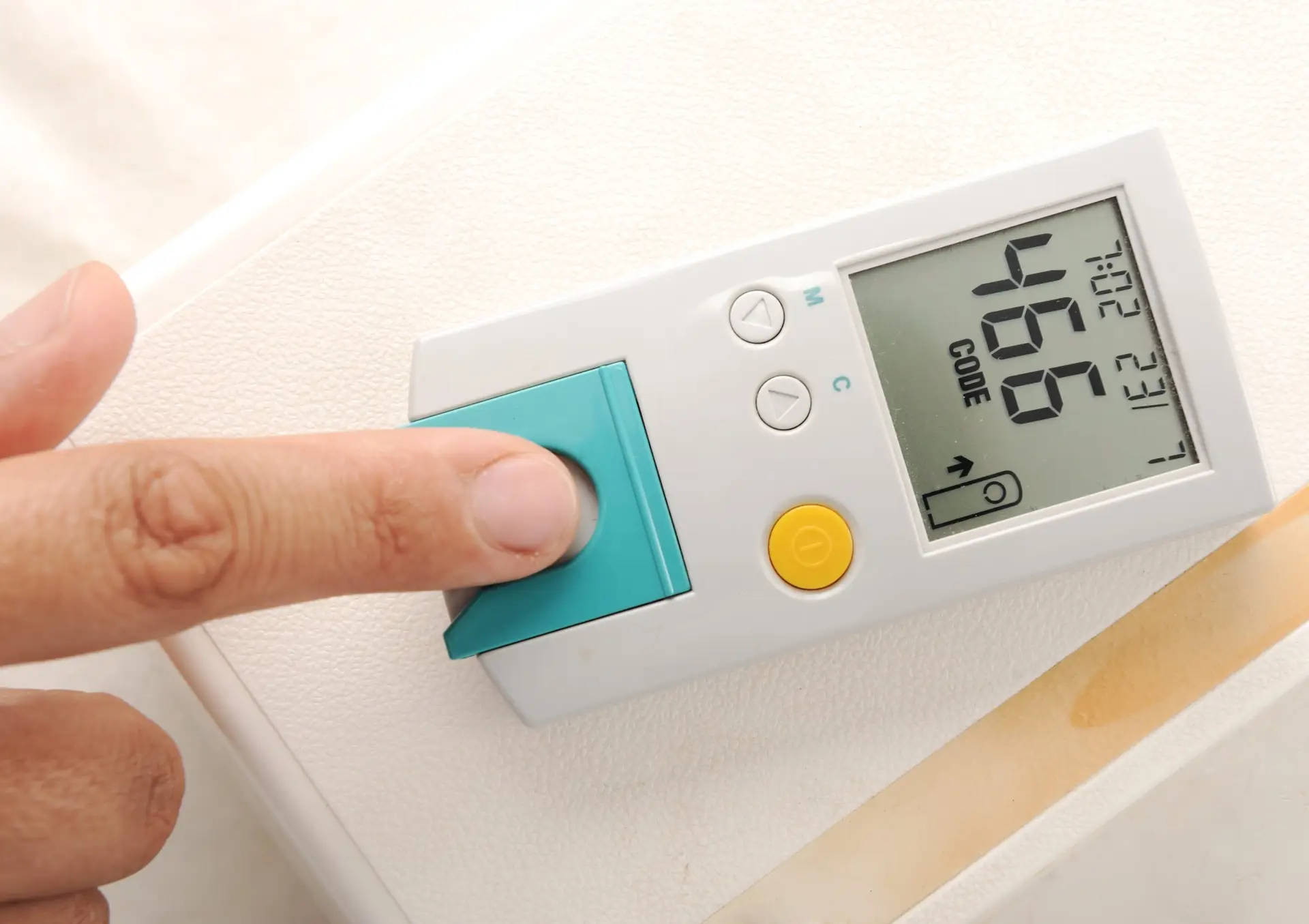
The Dangers of Hyperglycemia
High blood sugar levels can cause several health problems, including cardiovascular diseases, neuropathy, retinopathy, and renal failure. Cardiovascular diseases refer to conditions affecting the heart and blood vessels, which can increase the risk of stroke, heart attack, and peripheral artery disease. Neuropathy refers to nerve damage caused by high blood sugar levels, which can result in numbness, tingling, pain, and weakness in various parts of the body. Retinopathy refers to eye damage caused by high blood sugar levels, which can lead to blurred vision, blind spots, and eventually, complete loss of sight. Renal failure refers to the gradual decline in kidney function due to high blood sugar levels, which can lead to swelling, fatigue, shortness of breath, and decreased appetite.
Common Causes and Symptoms of High Blood Sugar Levels
Some common causes of hyperglycemia include poor diet, lack of physical activity, stress, illness, and certain medications. The symptoms of hyperglycemia may vary depending on the severity of the condition but typically include increased thirst, frequent urination, dry mouth, blurry vision, fatigue, and headaches. Seek immediate medical attention if you experience any of these symptoms.
Natural Treatments for Managing Blood Sugar Levels
There are many natural treatments available for managing blood sugar levels. These include herbs like cinnamon, gymnema sylvestre, and bitter melon, which have been shown to enhance insulin sensitivity and lower blood sugar levels. Additionally, lifestyle changes such as losing excess weight, increasing physical activity, reducing stress, quitting smoking, and consuming a healthy diet rich in fiber, whole grains, fruits, vegetables, lean proteins, and healthy fats can also be effective in controlling blood sugar levels.
Conclusion
Hyperglycemia is a dangerous medical condition that requires prompt treatment. By understanding the risks associated with high blood sugar levels and implementing natural treatments along with lifestyle modifications, you can manage your blood sugar levels and prevent long-term health complications.