
Blood pressure is a measure of the force that your blood exerts against the walls of your arteries as it flows through them. When this force becomes too high, it can lead to serious health problems such as heart disease and stroke. In fact, high blood pressure (also known as hypertension) is one of the leading causes of death worldwide.
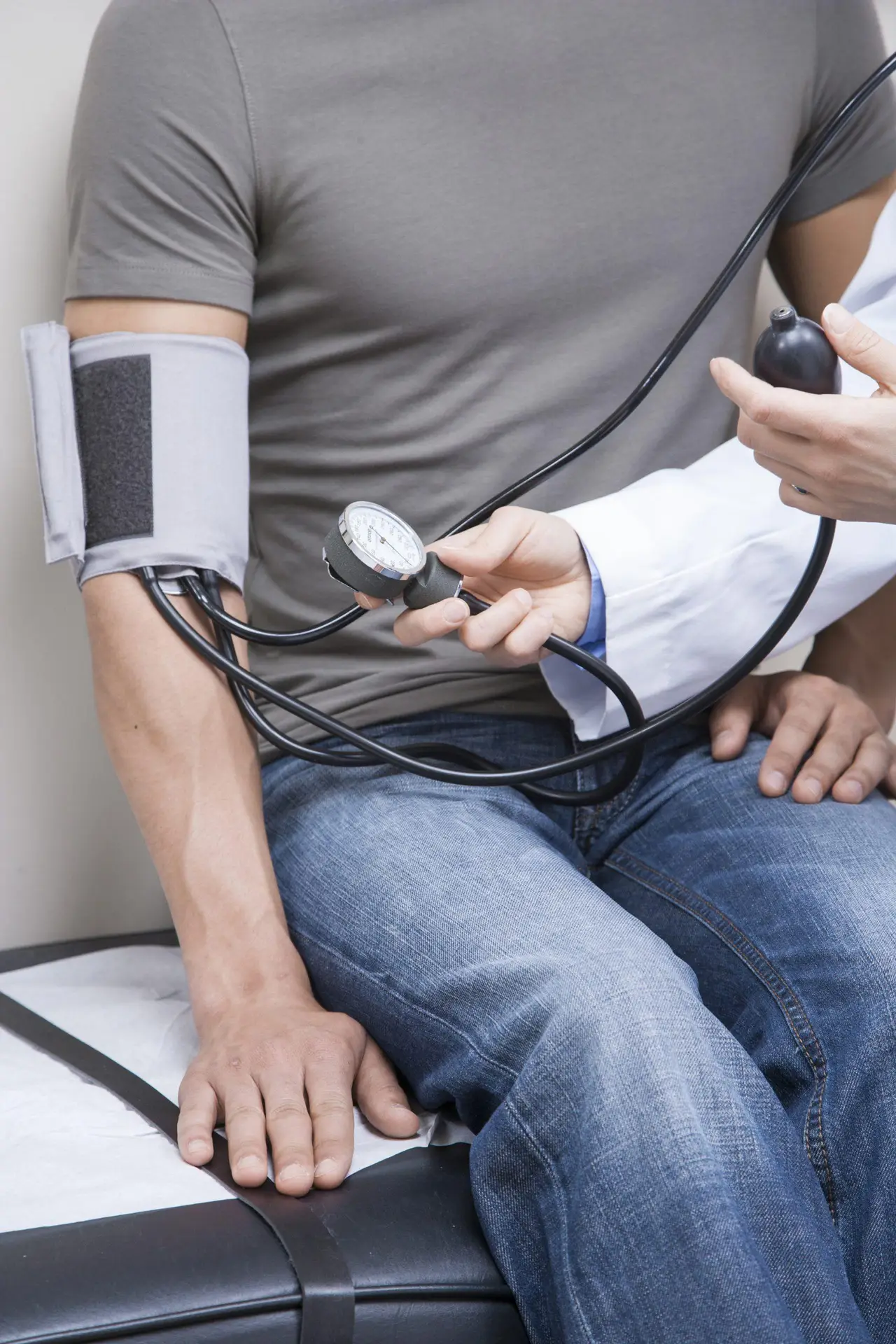
In this article, we’ll explore everything you need to know about high blood pressure, including its causes, symptoms, natural treatments for lowering your blood pressure, and how to take action against it.
Introduction to High Blood Pressure
High blood pressure usually has no signs or symptoms until it reaches an advanced stage, which is why it’s often called “the silent killer.” The only way to know if you have high blood pressure is by getting regular checkups with your doctor. If left untreated, high blood pressure can cause damage to your organs and increase your risk of developing other diseases like diabetes and kidney failure.
Causes and Risk Factors of High Blood Pressure
There are several factors that contribute to high blood pressure:
Age – As you get older, your chances of having high blood pressure increases.
Gender – Men tend to develop high blood pressure earlier than women, but after menopause, women become more likely to develop it.
Family history – A family history of high blood pressure puts you at higher risk of developing it yourself.
Lifestyle choices – Poor lifestyle habits like smoking, excessive drinking, lack of exercise, poor diet, and stress can all contribute to high blood pressure.
Symptoms of High Blood Pressure
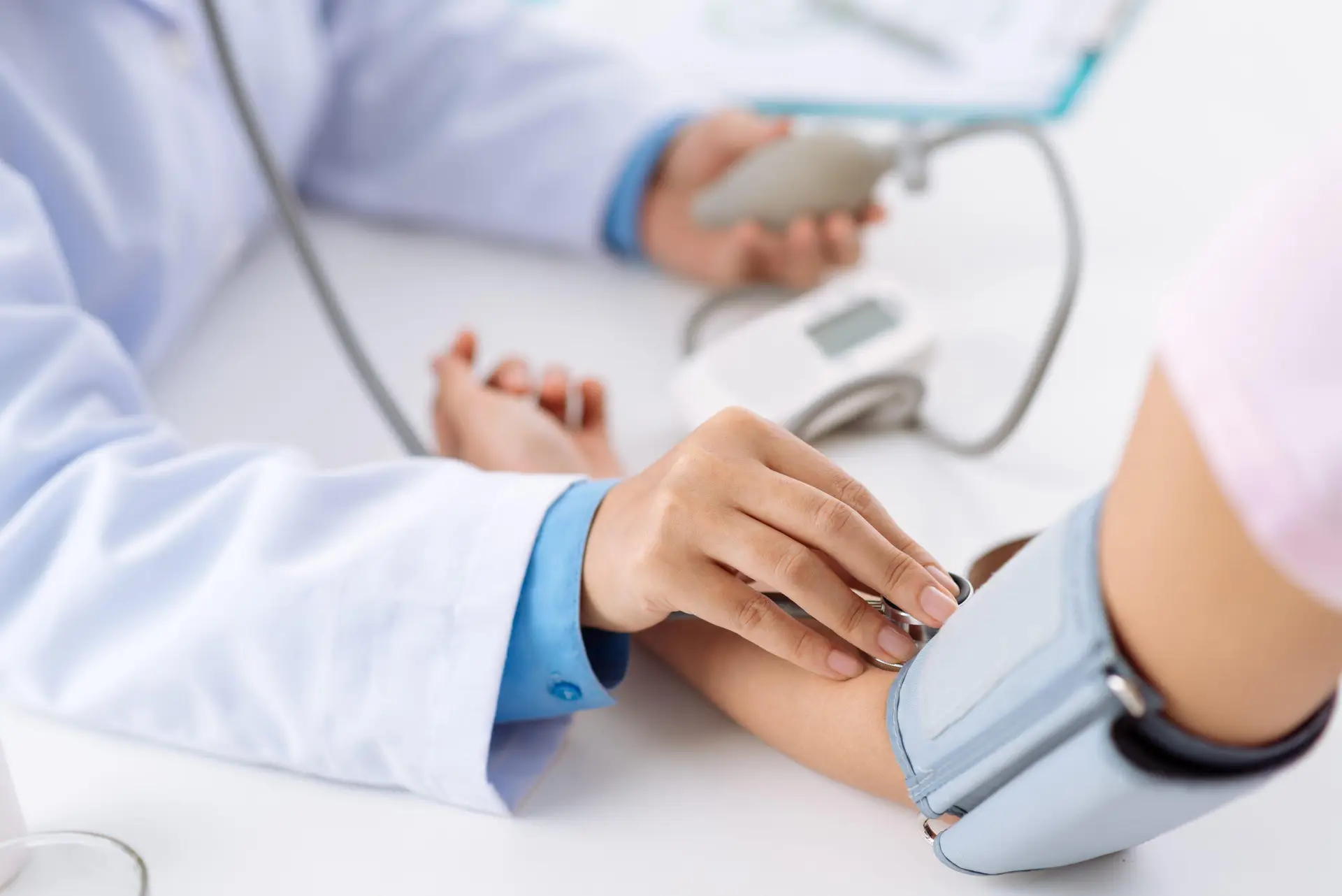
While high blood pressure typically doesn’t show any symptoms in its early stages, some people may experience headaches, dizziness, blurred vision, fatigue, and shortness of breath when their blood pressure gets very high. These symptoms should be taken seriously and medical attention sought immediately.
Natural Treatments for Lowering Your Blood Pressure
If you’ve been diagnosed with high blood pressure, there are many ways to manage it naturally without medication. Here are some tips:
1. Eat a healthy diet – Consuming a balanced diet rich in fruits, vegetables, whole grains, lean proteins, and low-fat dairy products can help reduce your blood pressure.
2. Exercise regularly – Regular physical activity helps keep your blood vessels flexible and open, reducing resistance to blood flow.
3. Maintain a healthy weight – Being overweight or obese puts extra strain on your heart and blood vessels, increasing your risk of high blood pressure. Losing even just a few pounds can make a big difference.
4. Reduce sodium intake – Too much salt in your diet can cause fluid retention, which raises blood pressure. Try to limit processed foods and opt for fresh, whole foods instead.
5. Manage stress – Chronic stress can raise your blood pressure levels. Find ways to relax and de-stress, whether it’s meditation, yoga, deep breathing exercises, or something else that works for you.
Conclusion: Taking Action Against High Blood Pressure
High blood pressure is a serious condition that requires immediate intervention. By making simple lifestyle changes and taking steps to manage your stress level, you can significantly reduce your risk of developing complications from high blood pressure. Remember to always consult with your doctor before starting any new treatment plan or making significant changes to your lifestyle.