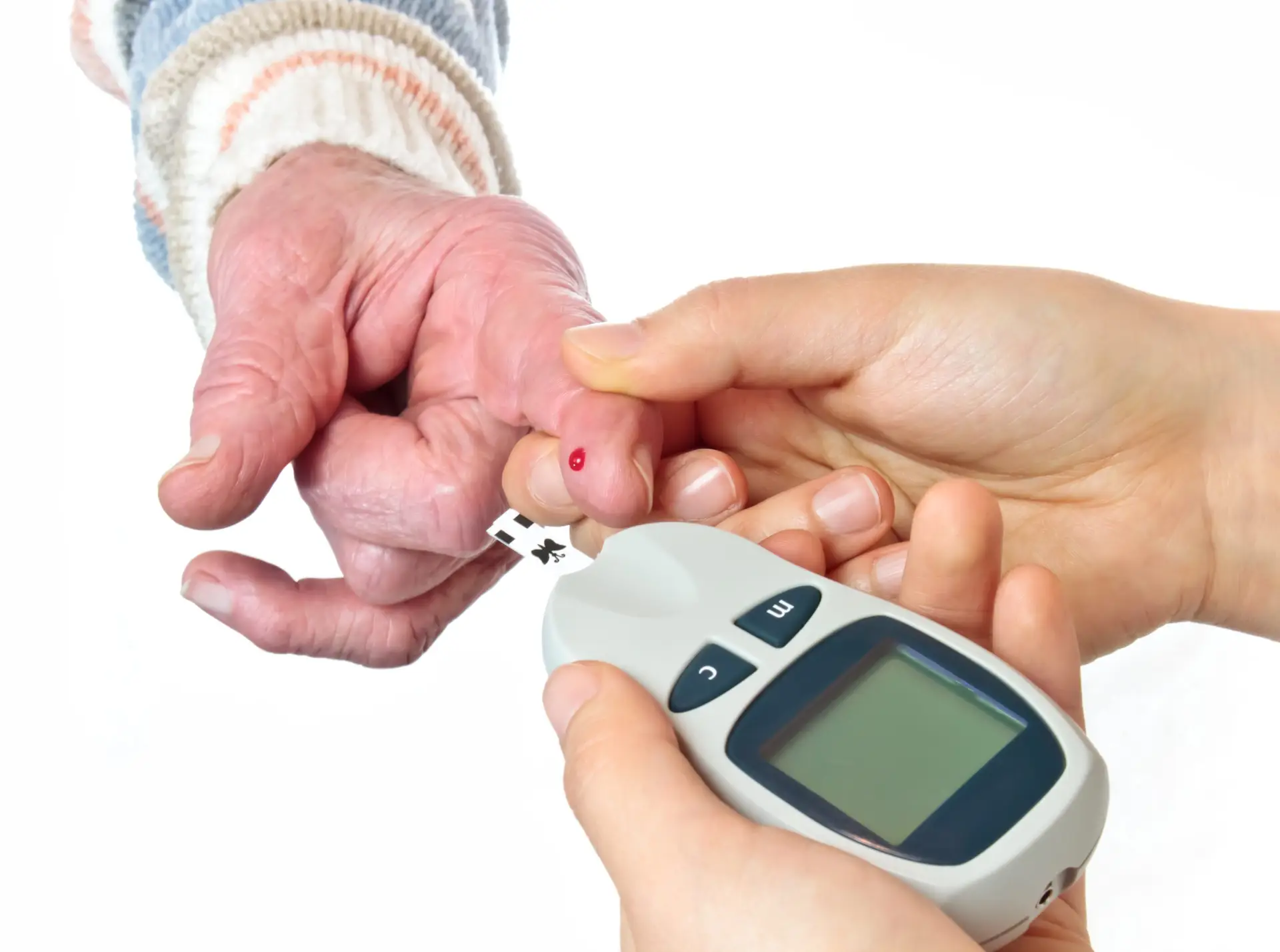

Diabetes is a chronic condition that affects millions of people worldwide. It occurs when the body cannot produce enough insulin or use it effectively, leading to high blood sugar levels. Over time, this can cause serious health complications such as heart disease, stroke, kidney failure, blindness, and amputations. In this article, we will discuss the dangers of both high and low blood sugar levels, how to manage them through insulin control, and natural treatments for diabetes.

Introduction to Blood Sugar and Diabetes
Blood sugar refers to the amount of glucose in your bloodstream. Glucose provides energy to our cells and is essential for life. However, when there is too much or too little glucose in the blood, it can lead to serious health problems. People with diabetes have abnormally high blood sugar levels due to their bodies’ inability to regulate insulin production. This can result in several short-term and long-term complications if left untreated.
The Dangers of High and Low Blood Sugar Levels
High blood sugar levels (hyperglycemia) occur when there is excessive glucose in the bloodstream. Symptoms include increased thirst, frequent urination, blurred vision, fatigue, and headaches. If not managed properly, hyperglycemia can lead to severe dehydration, ketoacidosis, coma, and even death. On the other hand, low blood sugar levels (hypoglycemia) occur when there is an insufficient amount of glucose in the bloodstream. Symptoms include sweating, trembling, confusion, weakness, and fainting. Severe hypoglycemia can also be fatal.
Insulin Control for Managing Blood Sugar Levels
Insulin therapy is one of the most effective ways to manage blood sugar levels in people with type 1 and type 2 diabetes. Insulin helps transport glucose from the bloodstream into the cells where it can be used for energy. There are different types of insulin available, including rapid-acting, short-acting, intermediate-acting, and long-acting insulin. Your doctor may prescribe a combination of these depending on your individual needs.
Natural Treatments for Diabetes
While medication is crucial for managing blood sugar levels, lifestyle changes can also help improve overall health outcomes. Eating a balanced diet rich in whole grains, fruits, vegetables, lean proteins, and healthy fats can help keep blood sugar levels stable. Regular exercise can also lower blood sugar levels by improving insulin sensitivity. Additionally, stress management techniques like meditation, yoga, and deep breathing exercises can reduce cortisol levels which can contribute to elevated blood sugar levels.
Conclusion
Managing blood sugar levels is critical for preventing the dangerous complications associated with diabetes. By understanding the risks of both high and low blood sugar levels, implementing insulin control, and making lifestyle changes, you can take steps towards living a healthier life with diabetes.