
Introduction to Blood Sugar Levels:
Blood sugar levels refer to the amount of glucose present in your bloodstream. Glucose is a type of sugar that serves as fuel for our cells, and it’s produced when we consume carbohydrates such as bread or pasta. Our bodies use insulin, a hormone made by the pancreas, to regulate blood sugar levels. When we eat food, our body breaks down the carbs into glucose and releases it into the bloodstream. Insulin then helps transport this glucose to our cells where it can be used for energy.
Understanding Hypoglycemia and its Dangers:
Hypoglycemia occurs when your blood sugar level drops below normal range, which is typically less than 70 milligrams per deciliter (mg/dL). This condition can occur in people with diabetes who take medications like insulin or other diabetes drugs that lower blood sugar levels. Symptoms of hypoglycemia include dizziness, confusion, shakiness, sweating, hunger, and weakness. If left untreated, hypoglycemia can lead to seizures, loss of consciousness, and even death. It’s essential to monitor your blood sugar levels regularly if you have diabetes and seek medical attention immediately if you experience symptoms of hypoglycemia.
The Importance of Insulin Control for Diabetes Management:
Insulin control plays an integral role in managing diabetes. People with type 1 diabetes need daily insulin injections or an insulin pump to manage their blood sugar levels. Those with type 2 diabetes may also require insulin therapy if they cannot control their blood sugar levels through lifestyle changes and oral medication alone. Proper insulin management can help prevent complications such as heart disease, stroke, nerve damage, kidney failure, and blindness.
Hyperglycemia: Causes, Symptoms, and Treatment Options:
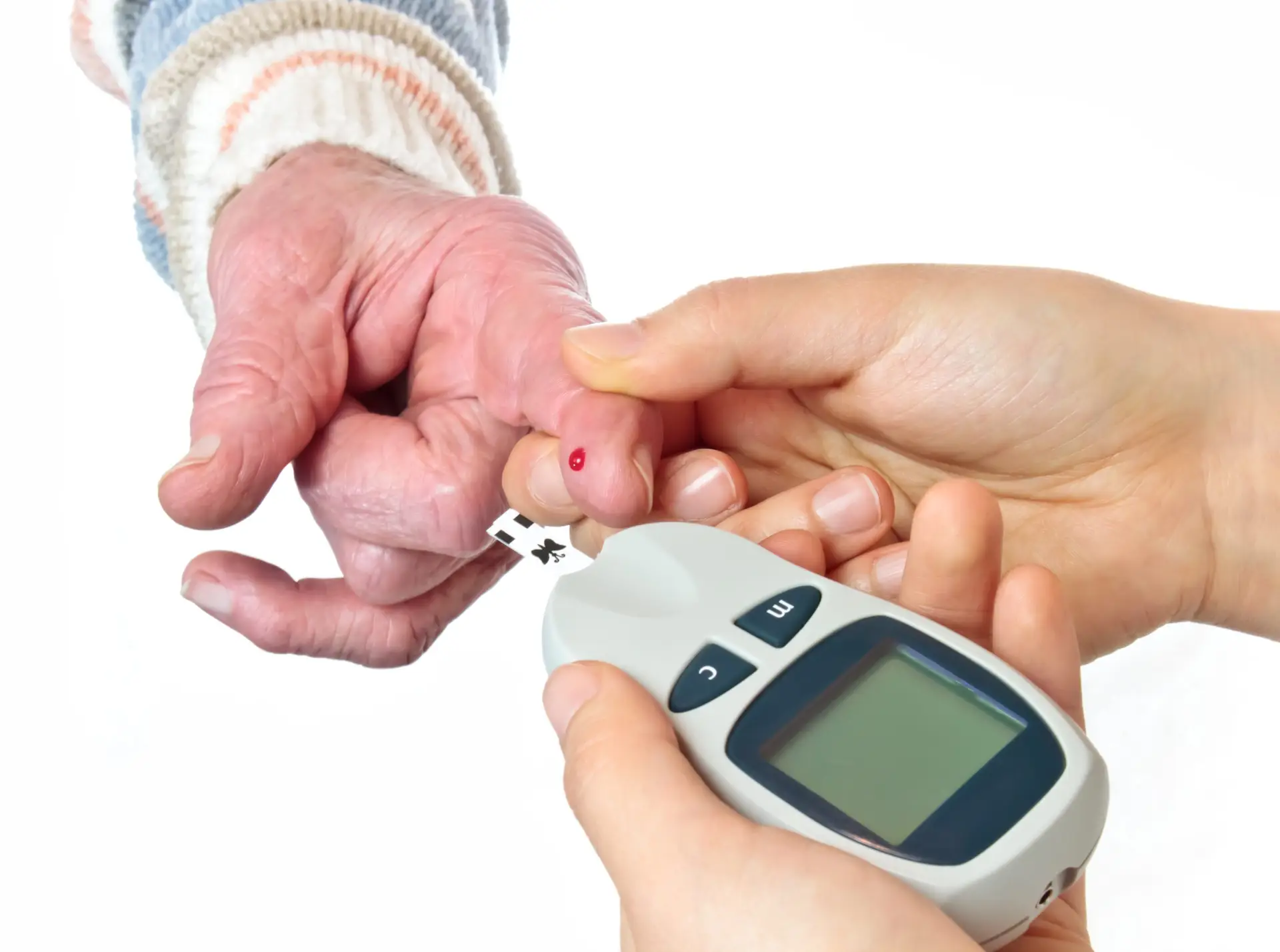
Hyperglycemia refers to high blood sugar levels above the normal range, which is usually over 130 mg/dL after fasting or over 180 mg/dL two hours after eating. Common causes of hyperglycemia include not taking enough insulin, missing doses of diabetes medication, consuming too many calories or carbs, stress, illness, or injury. Symptoms of hyperglycemia include increased thirst, frequent urination, fatigue, blurred vision, dry mouth, and headache. To treat hyperglycemia, you should check your blood sugar levels regularly, adjust your meal plan or medication schedule, exercise more often, and drink plenty of water. Seek immediate medical attention if you experience severe hyperglycemia symptoms such as vomiting, dehydration, fruity breath odor, or difficulty breathing.
Natural Ways to Manage Your Blood Sugar Levels:
Maintaining healthy blood sugar levels can significantly reduce your risk of developing diabetes-related complications. Here are some natural ways to manage your blood sugar levels:
1. Eat a balanced diet rich in whole grains, fruits, vegetables, lean protein, and low-fat dairy products.
2. Exercise regularly at least three times a week for 30 minutes each session.
3. Maintain a healthy weight by monitoring your BMI and making necessary lifestyle changes.
4. Avoid smoking and excessive alcohol consumption, both of which can negatively impact blood sugar levels.
5. Take prescribed medications as directed by your doctor and monitor your blood sugar levels regularly.
Conclusion:
Monitoring and maintaining healthy blood sugar levels are crucial for managing diabetes and reducing the risk of related complications. By understanding the dangers of high and low blood sugar levels, practicing good self-care habits, and seeking appropriate treatment options, individuals with diabetes can live full and active lives while managing their blood sugar levels effectively.