
Did you know that stroke is the fifth leading cause of death in the United States? It’s also one of the leading causes of disability, affecting millions of people each year. Strokes occur when blood flow to the brain is interrupted or reduced, depriving it of oxygen and nutrients. This can lead to permanent damage to the brain tissue, resulting in cognitive impairment, paralysis, speech difficulties, and other serious health problems.
However, there are ways to reduce your risk factors for stroke and improve your overall brain health. In this article, we will discuss some important aspects of brain health, including reducing your risk of Alzheimer’s disease, epilepsy and seizure disorders, mental disorders, Parkinson’s disease, and other movement disorders. We will also provide tips on how to take care of your brain health.
Introduction to Brain Health and Stroke Awareness
The human brain is an incredibly complex organ that controls all our bodily functions, thoughts, emotions, and behaviors. It’s essential to keep your brain healthy so that it can perform at its best throughout your life. One way to do this is by increasing awareness about strokes and their prevention. Stroke prevention starts with understanding the risk factors and taking steps to minimize them. Some common risk factors for stroke include high blood pressure, smoking, diabetes, obesity, physical inactivity, and excessive alcohol consumption. By addressing these risk factors early on, you can significantly lower your chances of developing a stroke.
Understanding the Risk Factors for Alzheimer’s Disease
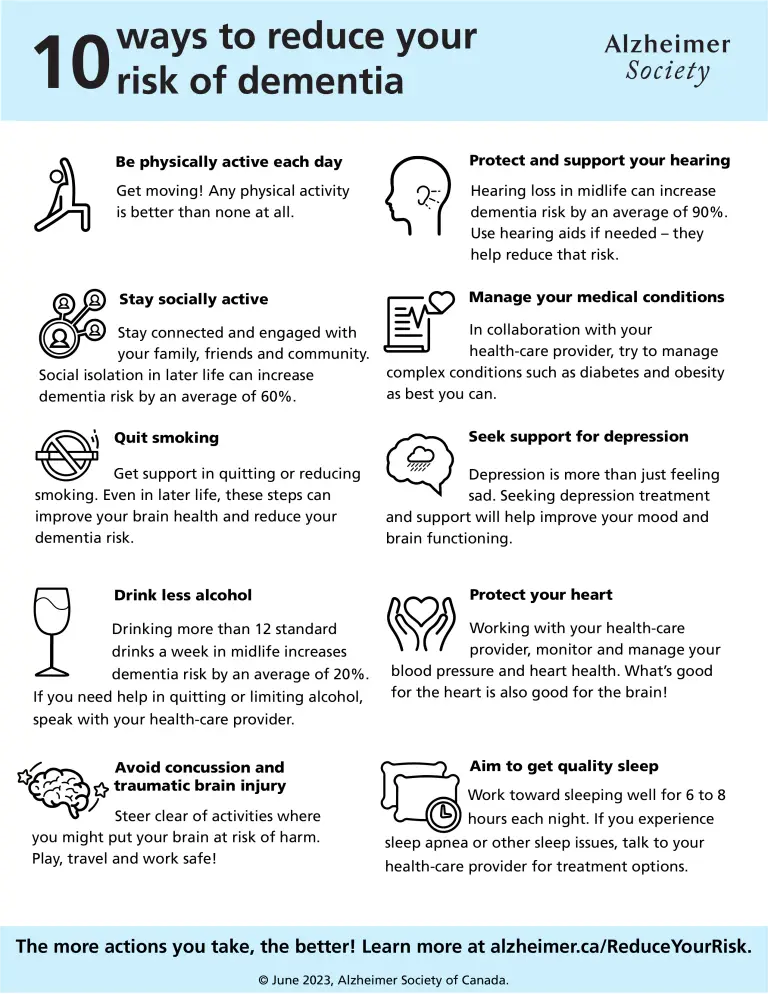
Alzheimer’s disease is another significant concern related to brain health. It’s a progressive neurological condition characterized by memory loss, confusion, and difficulty performing daily tasks. The exact cause of Alzheimer’s disease is not known, but several risk factors have been identified, such as age, family history, genetics, lifestyle choices, and environmental exposures. While there is no cure for Alzheimer’s disease yet, research suggests that certain lifestyle changes may help reduce the risk of developing it. These include regular exercise, a balanced diet rich in fruits and vegetables, social engagement, stress management techniques like meditation or yoga, and mentally stimulating activities like puzzles or reading books.
Reducing Your Risk of Epilepsy and Other Seizure Disorders
Epilepsy is a chronic neurological disorder characterized by recurrent seizures. It affects over 50 million people worldwide and can be caused by various factors, including genetic mutations, head trauma, brain tumor, or infectious diseases. There is no cure for epilepsy, but medication, surgery, and lifestyle modifications can help manage symptoms and reduce the frequency of seizures. To reduce your risk of epilepsy and other seizure disorders, avoid head injuries, stay hydrated, get enough sleep, maintain a healthy weight, and follow a low-stress lifestyle.
Mental Disorders: Symptoms, Causes, and Treatments
Mental disorders refer to a range of conditions that affect mood, behavior, thinking, and perception. They can be caused by a combination of biological, psychological, and environmental factors. Common types of mental disorders include depression, anxiety, bipolar disorder, schizophrenia, eating disorders, and personality disorders. Mental disorders often require professional treatment, which may involve therapy, medication, or both. Lifestyle changes like regular exercise, relaxation techniques, and healthy coping mechanisms can also support recovery from mental illness.
Parkinson’s and Other Movement Disorders: Diagnosis and Management
Parkinson’s disease is a degenerative neurological disorder characterized by tremors, stiffness, slowed movements, and balance issues. It occurs due to the gradual deterioration of dopamine-producing cells in the brain. While there is currently no cure for Parkinson’s disease, medication, surgery, and rehabilitative therapies can help manage symptoms and improve quality of life. Early diagnosis is crucial for effective management of Parkinson’s disease and other movement disorders. If you experience any unusual motor symptoms, consult a doctor immediately for evaluation and appropriate intervention.
Conclusion: Taking Care of Your Brain Health
Taking care of your brain health should be a top priority. After all, your brain is responsible for every aspect of your life. By following a healthy lifestyle, managing risk factors, getting regular checkups, and seeking prompt medical attention for any concerning symptoms, you can promote optimal brain function and reduce your risk of developing neurological disorders. Remember, taking care of your brain health today means enjoying better cognition, mobility, and independence tomorrow.