
Diabetes is a chronic condition that affects millions of people worldwide. It occurs when your blood sugar levels are too high, which can lead to serious health complications if left untreated. While medication and insulin therapy may be necessary in some cases, there are also many natural treatments that can help lower your blood sugar levels and manage diabetes symptoms holistically. In this article, we will explore some of these options and how they can benefit you.
Introduction to Diabetes and Blood Sugar
Blood sugar refers to the amount of glucose (a type of sugar) present in your bloodstream. Glucose provides energy to our cells and is essential for life. However, when your body doesn’t produce enough insulin or becomes resistant to it, your blood sugar levels rise, leading to hyperglycemia (high blood sugar). This can cause various health problems such as nerve damage, kidney failure, blindness, heart disease, stroke, and even amputation. On the other hand, hypoglycemia (low blood sugar) can occur due to certain medications or hormonal imbalances, causing symptoms like dizziness, confusion, fainting, seizures, and loss of consciousness. Understanding the root causes of diabetes and its effects on the body is crucial for managing it effectively.
What is Hypoglycemia? Causes, Symptoms, and Treatment
Hypoglycemia occurs when your blood sugar drops below normal levels, usually less than 70 mg/dL. It can happen to anyone but is more common in people with diabetes who take insulin or certain oral medications. The signs and symptoms of hypoglycemia include shakiness, sweating, weakness, hunger, blurred vision, confusion, irritability, and difficulty speaking. If not treated promptly, it can lead to seizures, coma, and even death. To prevent hypoglycemia, you should monitor your blood sugar regularly, eat regular meals, avoid skipping meals, limit alcohol intake, exercise moderately, and carry snacks with you at all times. Treatment includes consuming fast-acting carbohydrates like fruit juice, candy, or glucose tablets followed by a longer-lasting source of carbs like crackers or bread.
Natural Ways to Control Insulin Levels
There are several ways to naturally control insulin levels without relying solely on medication. One way is through lifestyle changes such as maintaining a healthy weight, eating a balanced diet rich in whole grains, vegetables, fruits, lean protein, and healthy fats, reducing stress, getting adequate sleep, quitting smoking, and exercising regularly. These habits can improve insulin sensitivity and reduce inflammation throughout the body. Additionally, herbal remedies like bitter melon, gymnema sylvestre, fenugreek, and cinnamon have been shown to enhance insulin action and lower blood sugar levels. Consult with your doctor before adding any new supplements or making significant lifestyle changes.
Hyperglycemia: Signs, Symptoms, and Management Tips
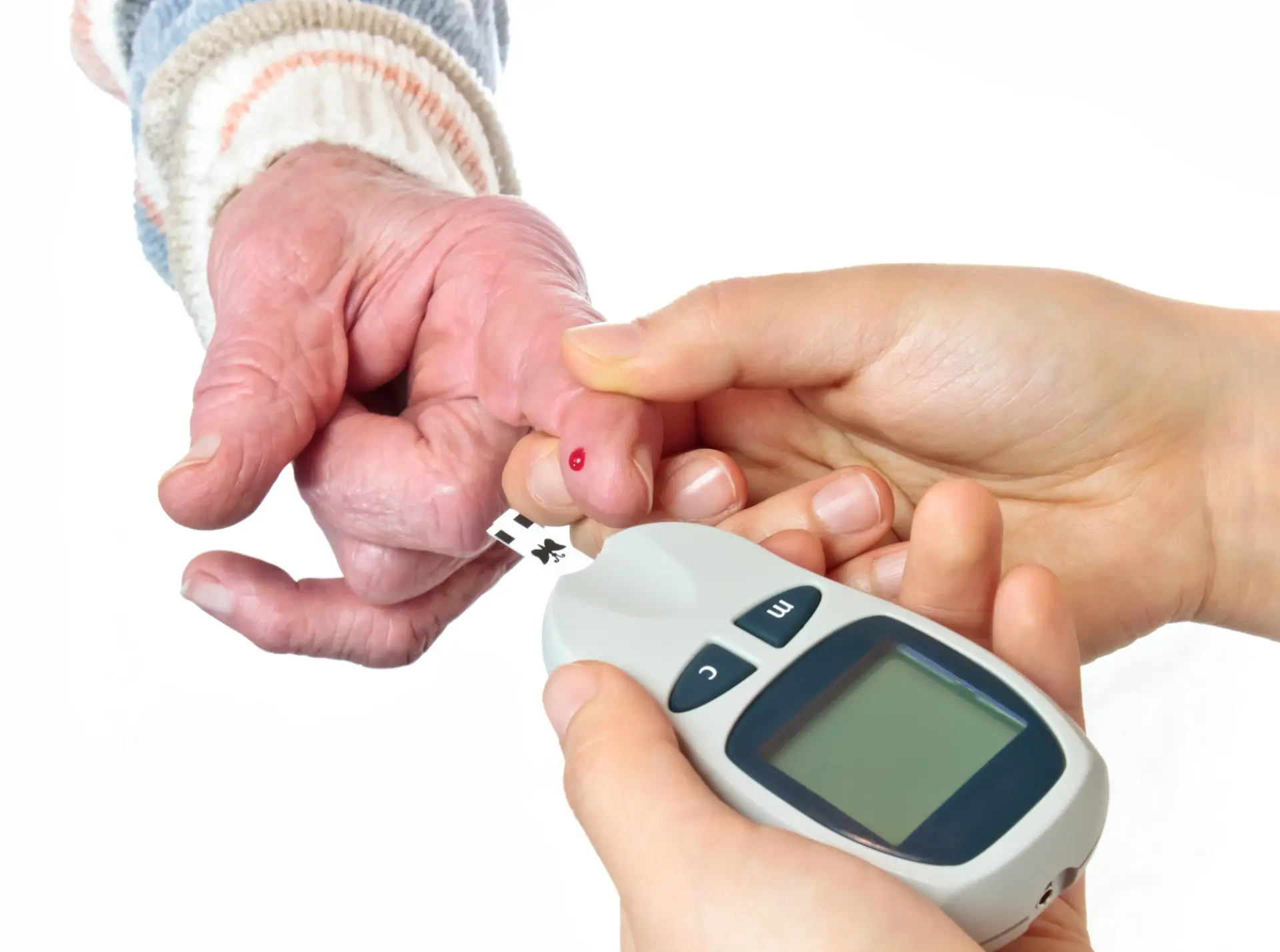
Hyperglycemia occurs when your blood sugar rises above normal levels, usually over 130 mg/dL after fasting or over 250 mg/dL two hours after eating. Common signs and symptoms include increased thirst, frequent urination, fatigue, blurry vision, dry mouth, and headaches. Long-term hyperglycemia can lead to severe complications like cardiovascular disease, neuropathy, retinopathy, and renal failure. To manage hyperglycemia, you should monitor your blood sugar regularly, follow a healthy diet, engage in physical activity, take prescribed medications correctly, and seek medical attention immediately if you experience symptoms of hyperglycemia.
Holistic Remedies for Managing Diabetes Symptoms
In addition to conventional treatment methods, there are several holistic remedies that can help manage diabetes symptoms. For example, acupuncture has been found to stimulate the release of endorphins, which can regulate blood sugar levels and alleviate pain associated with diabetic neuropathy. Massage therapy can also promote relaxation, reduce stress, and improve circulation, thereby improving overall health outcomes. Similarly, yoga and tai chi can help reduce anxiety, increase flexibility, strengthen muscles, and improve balance, all of which can positively impact blood sugar management. Finally, mindfulness meditation has been linked to reduced stress, improved emotional wellbeing, and better blood sugar control. By incorporating these complementary approaches alongside traditional care, individuals living with diabetes can enjoy greater quality of life and improved health outcomes.