
Back Pain Prevention Tips:
Are you experiencing back pain? It can be a frustrating and debilitating experience. However, there are several things that you can do to prevent future flare-ups of your back pain. Here are some tips for preventing back pain:
1. Exercise regularly – Regular exercise helps strengthen the muscles in your back and core, which can help support your spine and reduce the risk of injury or pain.
2. Maintain good posture – Poor posture can put extra strain on your back, so make sure to sit up straight with your shoulders pulled back and your chest lifted. When standing, keep your weight evenly distributed on both feet and don’t slouch.
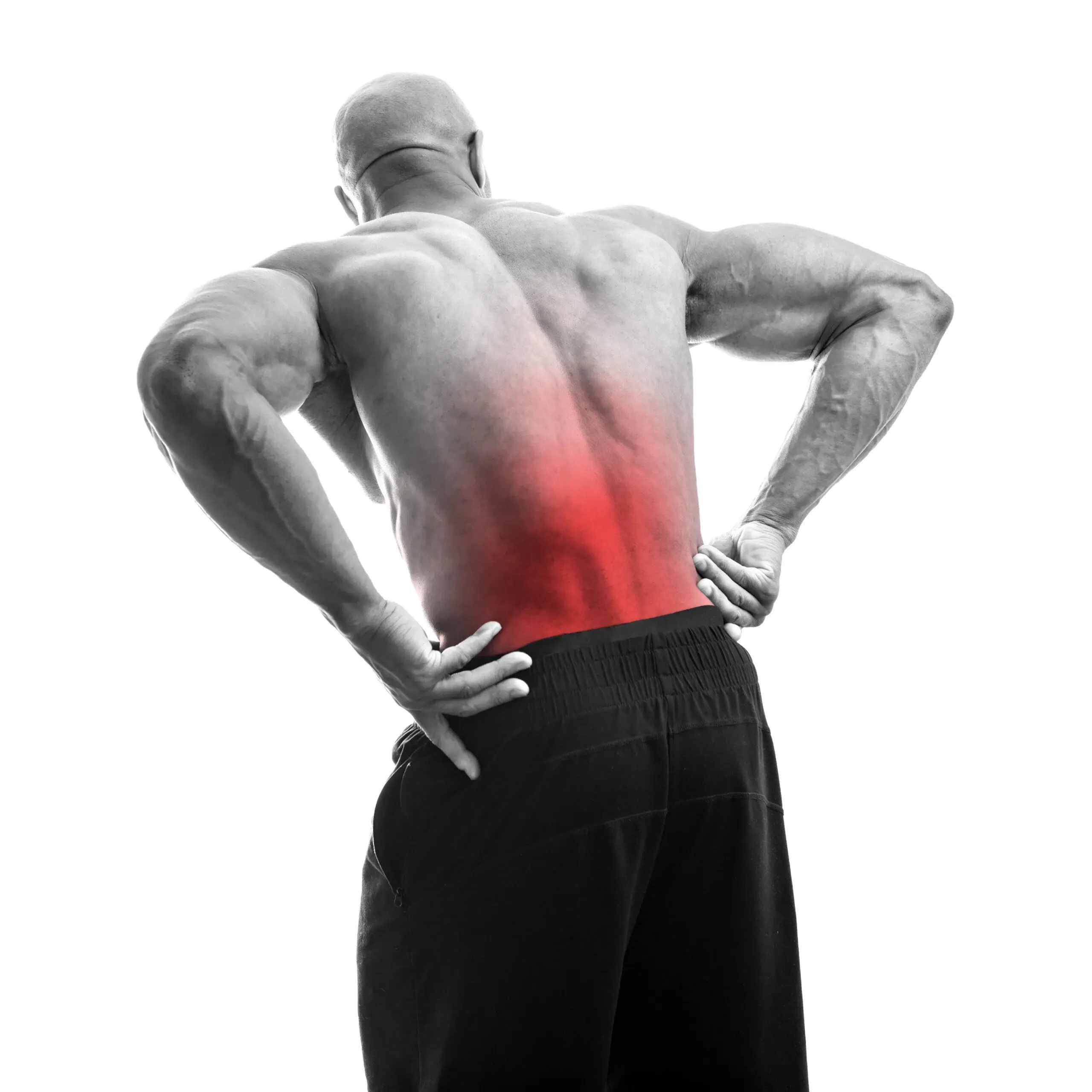
3. Use proper lifting techniques – If you need to lift something heavy, bend at the knees instead of the waist and use your leg muscles to power the movement. Avoid twisting while lifting as well.
4. Get enough sleep – Lack of sleep can cause stiffness and soreness in your back, so try to get at least seven hours of quality sleep each night.
5. Practice relaxation techniques – Stress and tension can contribute to back pain, so consider practicing relaxation techniques such as meditation or yoga to help calm your mind and body.
By following these simple steps, you may be able to prevent future back pain flare-ups and improve your overall health and wellbeing.
Shoulder Pain Relief Techniques:
If you’re suffering from shoulder pain, it can be difficult to perform everyday tasks like reaching overhead or raising your arms above your head. Fortunately, there are several ways to relieve shoulder pain naturally without medication. Here are some effective techniques:
1. Apply heat or cold – Heat can help increase blood flow and reduce inflammation, while cold can numb the area and provide relief from pain. Try alternating between hot and cold packs to see what works best for you.
2. Do stretching exercises – Stretching can help loosen tight muscles and improve range of motion in your shoulders. Consider doing gentle stretches like the wall slide or the crossover reach.
3. Take breaks – Repeated motions like typing or using a mouse can lead to shoulder pain over time. Make sure to take frequent breaks and shift positions frequently to give your shoulders a rest.
4. Wear comfortable clothing – Clothes that fit too tightly around your shoulders can exacerbate pain symptoms. Make sure to wear loose-fitting shirts and jackets to avoid putting pressure on your shoulders.
5. Seek professional advice – If your shoulder pain persists despite self-care measures, it’s important to seek medical attention. Your doctor may recommend physical therapy or other treatments to help alleviate your pain.
By incorporating these natural remedies into your daily routine, you may be able to find relief from your shoulder pain and return to your normal activities more comfortably.
Headache Management Strategies:
Headaches can be incredibly frustrating and disruptive to daily life. While prescription medications may offer temporary relief, they often come with unwanted side effects. Fortunately, there are many natural strategies for managing headaches without resorting to drugs. Here are some effective methods:
1. Drink plenty of water – Dehydration is one common trigger for headaches. By drinking plenty of water throughout the day, you can help prevent dehydration and potentially reduce the frequency of your headaches.
2. Get regular exercise – Exercise has been shown to have numerous benefits for mental health, including reducing stress and anxiety which can trigger headaches. Even short walks during lunch break can help.
3. Manage stress levels – High levels of stress can trigger headaches. To manage stress effectively, consider practicing relaxation techniques such as deep breathing, meditation, or yoga.
4. Avoid triggers – Different people may have different triggers for their headaches. Keep track of when and where your headaches occur to identify potential triggers such as certain foods, environmental factors, or emotional states. Once identified, work on eliminating those triggers from your life if possible.
5. Seek professional advice – If your headaches persist despite self-care measures, it’s important to seek medical attention. Your doctor may recommend additional treatment options based on your specific needs and diagnosis.
By implementing these natural strategies into your daily routine, you may be able to find long-term relief from your headaches and enjoy a better quality of life.
Knee Pain Treatment Options:
Knee pain can be extremely debilitating and limit mobility, making it hard to complete everyday tasks. There are various causes of knee pain ranging from osteoarthritis, tendonitis, meniscal tear among others. Here are some effective treatment options for knee pain:
1. Physical Therapy – This involves working with trained professionals who will assess your condition and develop an individualized plan tailored to meet your goals. The aim here is to restore function through exercises and education about how to protect your joints.
2. Medications – Over-the-counter nonsteroidal anti-inflammatory drugs (NSAIDS) such as ibuprofen or acetaminophen can help ease pain and swelling associated with knee injuries. Prescribed corticosteroids can also bring down inflammation.
3. Surgery – In severe cases, surgery might be necessary to repair damaged cartilage, remove torn ligaments or realign bones. Arthroscopy, a minimally invasive procedure that uses small cameras to view inside the joint, allows surgeons to diagnose and sometimes fix problems without major cuts.
4. Weight loss – Carrying excess pounds puts added pressure on your knees, increasing the likelihood of osteoarthritis and other forms of knee pain. Losing just a few pounds can significantly reduce this burden.

5. Proper footwear – Shoes that fit properly and offer good arch support can help distribute forces across the knee joint, reducing pain and improving stability. Choosing shoes with shock absorption features can further reduce impact on the joints.
In conclusion, by adopting these treatment options, individuals can achieve significant reduction in knee pain severity and enhance their ability to carry out daily activities.