
Understanding Blood Pressure and Its Causes:
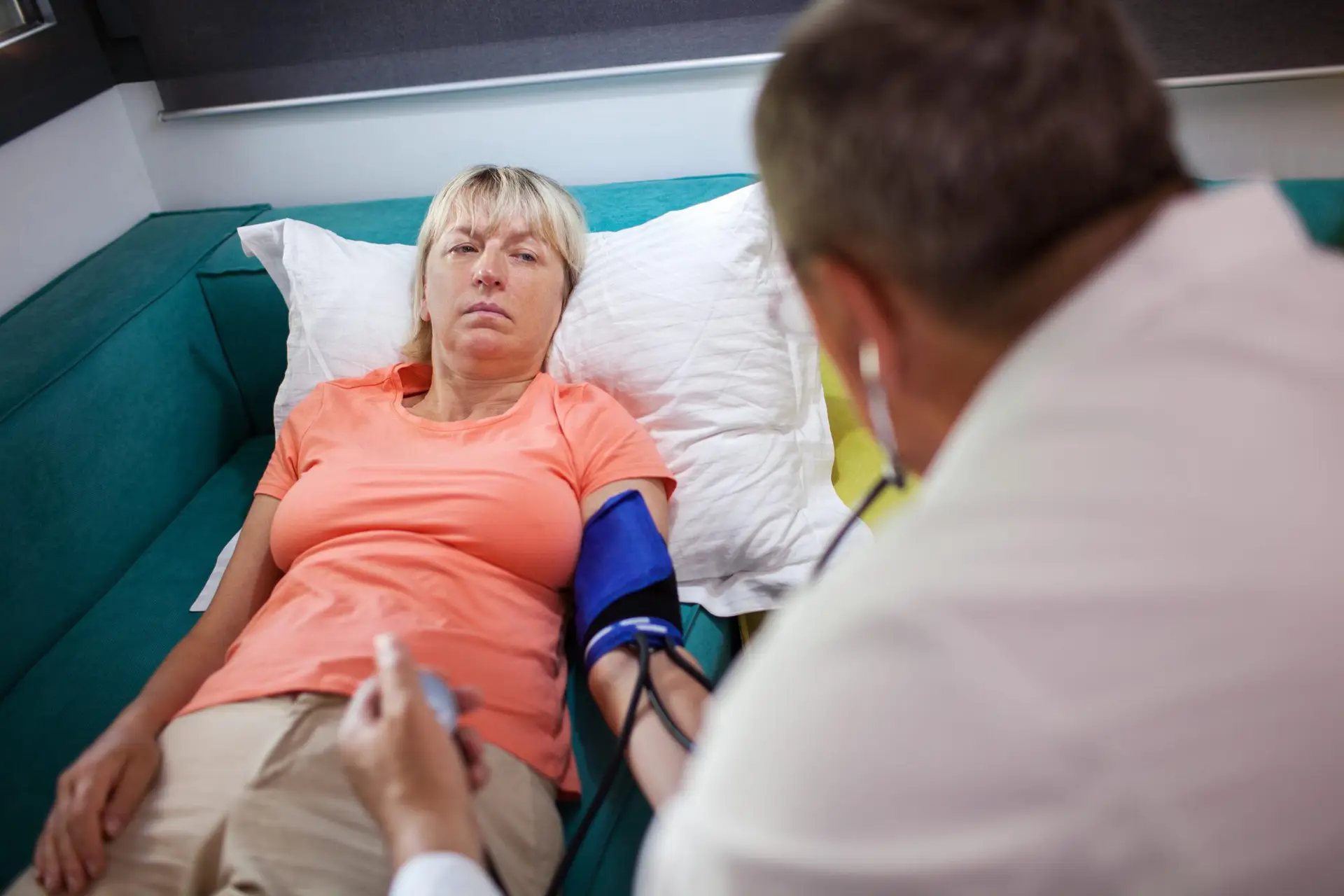
Blood pressure is the force of blood pushing against the walls of your arteries. It’s measured in millimeters of mercury (mm Hg) and recorded as two numbers, such as 120/80 mm Hg. The first number represents systolic pressure, which occurs when your heart beats to pump blood through your body. The second number represents diastolic pressure, which occurs between beats while your heart rests. High blood pressure or hypertension can lead to serious health problems if left untreated. There are several causes of high blood pressure including genetics, age, weight, stress, alcohol consumption, smoking, lack of physical activity, poor nutrition, and excessive salt intake.
Recognizing Symptoms of High Blood Pressure:
High blood pressure often has no symptoms until it reaches dangerously high levels. However, some people may experience headaches, dizziness, blurred vision, chest pain, shortness of breath, palpitations, fatigue, and nosebleeds. If you have any of these symptoms, consult with a doctor immediately.
Natural Treatments for Lowering Blood Pressure:
There are many natural treatments that can help lower blood pressure without medication. Some effective remedies include regular exercise, weight loss, reducing sodium intake, limiting alcohol consumption, managing stress, getting enough sleep, consuming potassium-rich foods like bananas, spinach, sweet potatoes, avocados, and almonds, taking supplements like magnesium, vitamin D, and omega-3 fatty acids from fish oil, and practicing relaxation techniques like meditation and yoga.
Lifestyle Changes to Manage Blood Pressure:

Making lifestyle changes can significantly reduce the risk of developing high blood pressure and its associated complications. Eating a balanced diet rich in fruits, vegetables, whole grains, lean protein sources, and low-fat dairy products is essential. Regular exercise for at least 30 minutes per day, five days a week, can also improve blood pressure control. Avoiding smoking and excessive drinking, maintaining a healthy weight, managing stress, getting enough sleep, and avoiding exposure to environmental pollutants can all contribute to better blood pressure management.
Risks Associated with Uncontrolled Hypertension:
Uncontrolled hypertension can cause significant damage to various organs in the body, leading to life-threatening conditions such as stroke, heart attack, kidney failure, and blindness. It’s crucial to monitor blood pressure regularly and seek medical attention if necessary to prevent further complications. Early detection and treatment of high blood pressure can greatly reduce the risk of developing chronic diseases and improving overall quality of life.
Conclusion: The Importance of Regular Check-Ups:
Regular checkups with a healthcare provider can help detect and manage high blood pressure before it becomes a serious problem. In addition to monitoring blood pressure, doctors may recommend additional tests and procedures to assess overall health status and identify potential risks. By making lifestyle changes, following medical advice, and undergoing regular checkups, individuals can effectively manage their blood pressure and reduce the risk of developing related health issues.