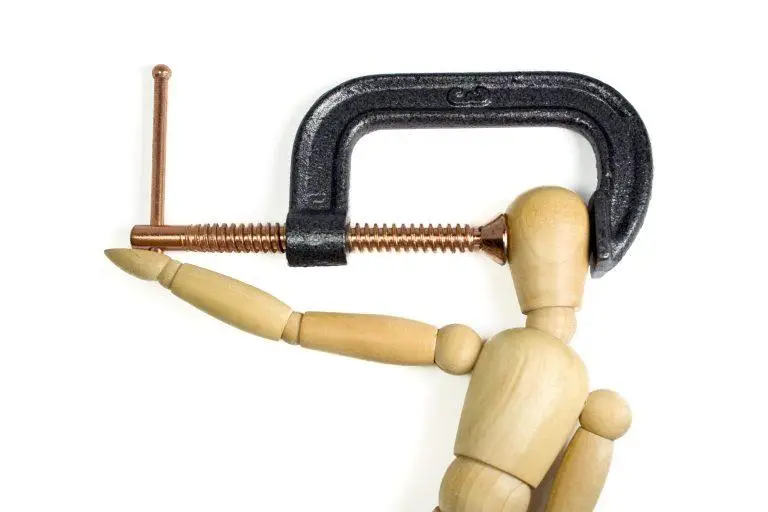

Headaches and migraines can be debilitating, but taking pills is not always the answer. In this post, we will explore natural remedies for headache relief as well as ways to prevent knee pain from exercise or injury. We’ll also cover how to alleviate back pain and shoulder tension without medication. Finally, we’ll discuss long-term solutions for chronic pain.
Introduction to Pain Relief
Pain is a common problem that affects many people worldwide. It can range from mild discomfort to severe agony, and it can be acute or chronic. Chronic pain lasts longer than six months and requires medical attention. Acute pain usually goes away on its own within a few days or weeks. There are several types of pain, including:

1. Musculoskeletal pain – This type of pain occurs in the muscles, bones, joints, and connective tissues. Common causes include injuries, arthritis, and fibromyalgia.
2. Neuropathic pain – This type of pain results from damage to nerves or the nervous system. Common causes include diabetes, shingles, and multiple sclerosis.
3. Psychogenic pain – This type of pain has no physical cause and is often related to stress, anxiety, or depression.
Understanding the Causes of Headaches and Migraines
Headaches and migraines are among the most common forms of pain. They can be caused by various factors such as hormonal changes, stress, poor sleep habits, and certain food triggers. Some people may experience headaches after eating processed foods rich in nitrates, while others may get them from consuming too much caffeine or alcohol. A lack of magnesium or vitamin B2 (riboflavin) can also trigger headaches.
Natural Remedies for Back Pain and Shoulder Tension

Back pain and shoulder tension are other common complaints that plague many individuals. Fortunately, there are several natural remedies that can help relieve these conditions. One effective solution is stretching exercises, which can improve flexibility and reduce stiffness. Yoga is another option that focuses on strengthening and lengthening the spine through gentle movements. Massage therapy can also provide relief by relaxing tight muscles and improving circulation.
How to Prevent Knee Pain from Exercise or Injury
Knee pain can result from sports injuries, overuse, or osteoarthritis. To prevent knee pain, it’s essential to warm up before any physical activity, wear proper shoes, and maintain good body mechanics. Strength training exercises like squats and lunges can also help build stronger leg muscles, reducing the risk of injury. If you do experience knee pain, rest, ice, compression, and elevation (RICE) can help reduce inflammation and swelling.
Conclusion: Finding Long-Term Solutions for Chronic Pain
Chronic pain can significantly impact your quality of life, making it challenging to work, socialize, or even complete daily tasks. While medications can offer temporary relief, they don’t address the underlying issue causing the pain. Instead, finding long-term solutions involves identifying the root cause of the pain and implementing lifestyle changes accordingly. For example, if you have neck pain due to bad posture, practicing correct alignment techniques and using ergonomic equipment can help alleviate discomfort. Additionally, mindfulness practices like meditation and deep breathing exercises can help manage stress levels, reducing the likelihood of pain flare-ups.