

Insulin is a hormone that helps regulate blood sugar levels in the body. When we eat, our pancreas produces insulin to help transport glucose from our food into our cells for energy. However, when someone has diabetes, their body either doesn’t produce enough insulin or becomes resistant to it, leading to high blood sugar levels.
There are two main types of diabetes – type 1 and type 2. Type 1 diabetes occurs when the immune system attacks and destroys the insulin-producing cells in the pancreas, resulting in little to no insulin production. On the other hand, type 2 diabetes occurs when the body becomes resistant to insulin or doesn’t produce enough of it.
Symptoms of Hyperglycemia and Hypoglycemia
Hyperglycemia refers to high blood sugar levels, while hypoglycemia refers to low blood sugar levels. Some common symptoms of hyperglycemia include increased thirst, frequent urination, blurred vision, fatigue, and weight loss. In severe cases, hyperglycemia can lead to ketoacidosis, which can cause nausea, vomiting, fruity breath odor, and confusion.
On the other hand, some signs of hypoglycemia include dizziness, shakiness, sweating, hunger, and irritability. Severe hypoglycemia can also result in seizures, unconsciousness, and even death.
Causes of Diabetes and Natural Treatments
The exact causes of diabetes are still unknown, but certain factors such as genetics, lifestyle choices, and environmental factors may increase your risk of developing the condition. These include being overweight or obese, having a family history of diabetes, living a sedentary lifestyle, consuming a poor diet, and smoking cigarettes.
While there is currently no cure for diabetes, natural treatments such as maintaining a healthy weight through exercise and diet, quitting smoking, reducing stress, and getting regular sleep can help manage blood sugar levels. Additionally, medications like insulin therapy and oral hypoglycemic agents can be used to control blood sugar levels.
Maintaining Healthy Blood Sugar Levels with Insulin Management
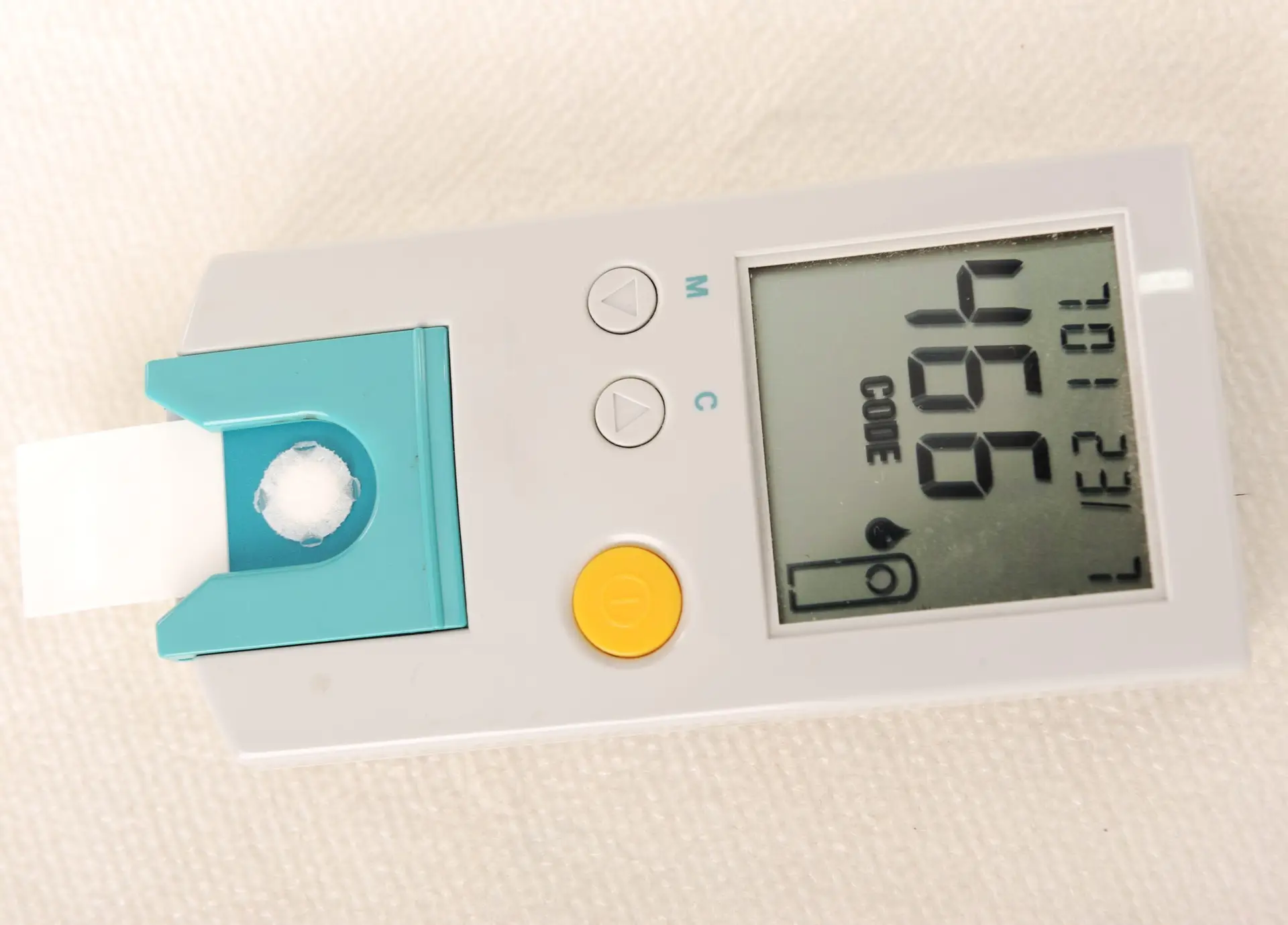
Managing blood sugar levels is crucial for preventing complications associated with diabetes such as heart disease, stroke, kidney failure, blindness, and amputation. One way to do this is by monitoring blood sugar levels regularly using a glucometer and adjusting insulin dosages accordingly. It’s essential to work closely with a healthcare provider to develop an individualized treatment plan that includes insulin management, diet, and exercise.
In conclusion, understanding the symptoms, causes, and treatments for diabetes is important for managing blood sugar levels and preventing complications. By working closely with a healthcare provider and making lifestyle changes, individuals with diabetes can live a healthy life.