
Blood sugar control is an essential aspect of maintaining overall health. Diabetes is a condition that affects how your body processes glucose or blood sugar. It can lead to high levels of blood sugar, which can cause severe complications if left untreated. In this article, we will discuss the causes, symptoms, and management techniques for diabetes as well as natural ways to lower your risk for developing it.
What Is Hypoglycemia?
Hypoglycemia refers to low blood sugar levels in individuals who have diabetes. This condition occurs when there isn’t enough insulin in the body to regulate blood sugar levels. The signs and symptoms of hypoglycemia include dizziness, confusion, sweating, shakiness, hunger, and irritability. If left untreated, it can result in seizures, loss of consciousness, and even death. Treatment options for hypoglycemia include consuming sugary foods or drinks, taking glucagon injections, or using an emergency kit prescribed by your doctor.
Understanding Hyperglycemia: Signs, Risks, and Management Tips
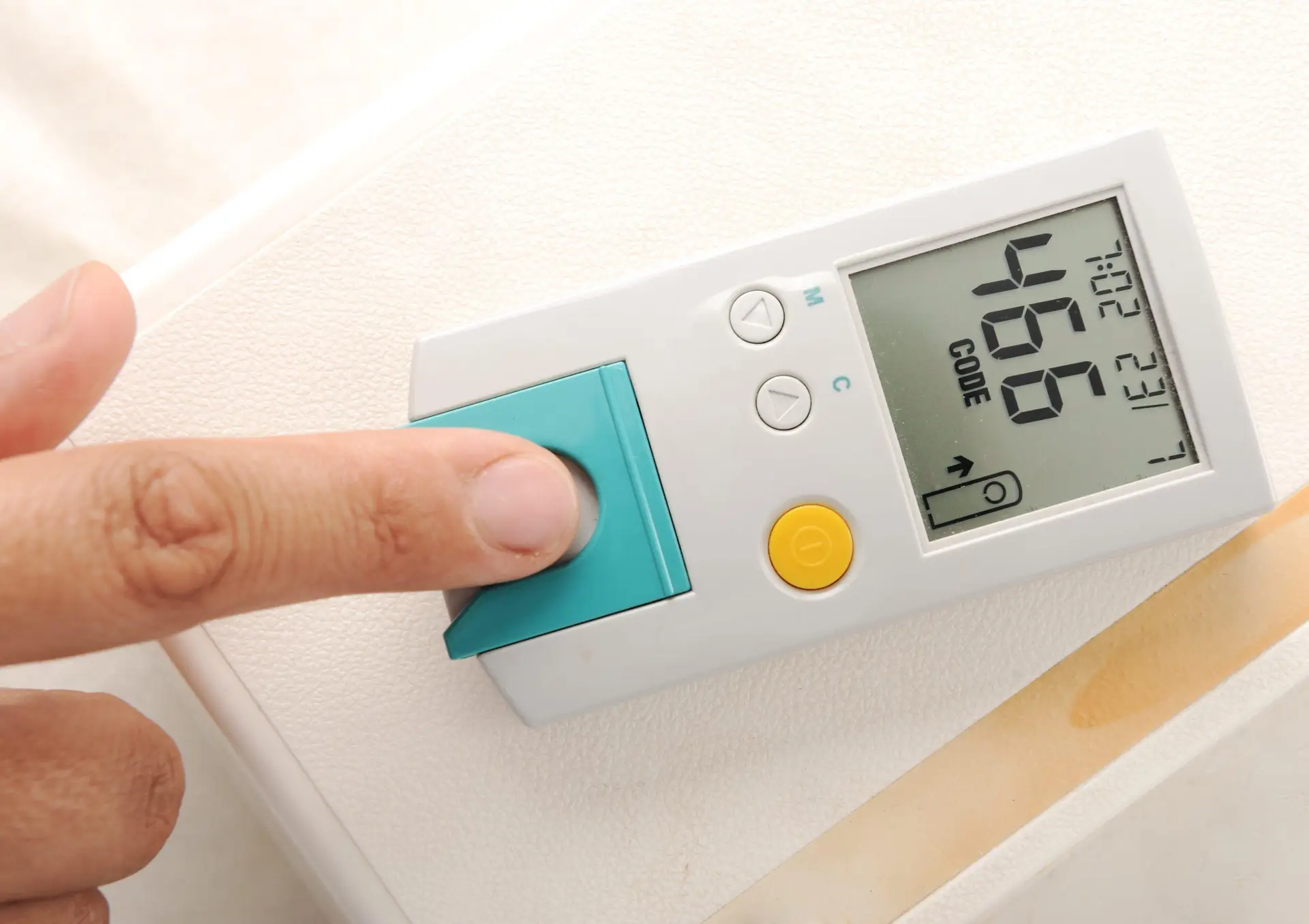
Hyperglycemia refers to high blood sugar levels in individuals who have diabetes. This condition occurs when there is too much glucose in the bloodstream due to poor insulin production or resistance. The signs and symptoms of hyperglycemia include increased thirst, frequent urination, fatigue, blurred vision, and dry skin. If left untreated, it can lead to long-term complications such as heart disease, stroke, kidney failure, nerve damage, and blindness. To manage hyperglycemia, you should monitor your blood sugar levels regularly, exercise, eat a balanced diet, take medication as prescribed, and seek medical attention promptly if necessary.
The Role of Insulin in Managing Blood Sugar Levels
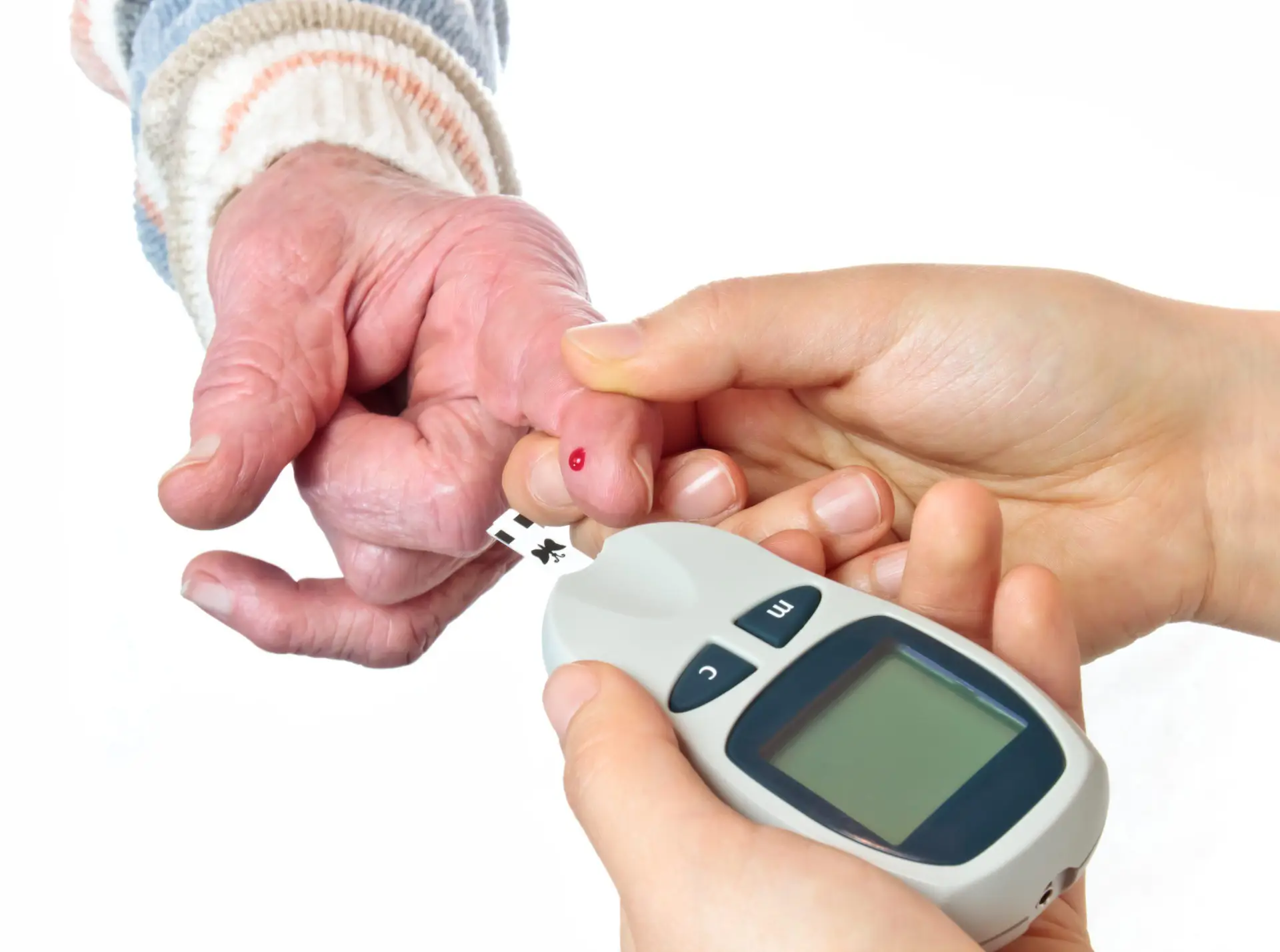
Insulin is a hormone produced by the pancreas that helps regulate blood sugar levels. Individuals with type 1 diabetes do not produce insulin while those with type 2 diabetes are resistant to its effects. Therefore, managing blood sugar levels requires regular monitoring and administration of insulin therapy. There are different types of insulin available including rapid-acting, short-acting, intermediate-acting, and long-acting insulins. Your doctor may recommend a combination of these depending on your individual needs.
Natural Ways to Lower Your Risk for Developing Diabetes
There are several lifestyle changes you can make to reduce your risk for developing diabetes. These include eating a healthy diet rich in fruits, vegetables, whole grains, lean protein sources, and healthy fats. You should also aim to lose weight if overweight or obese, engage in physical activity regularly, quit smoking, limit alcohol consumption, and get adequate sleep. Regular checkups with your healthcare provider can help detect early warning signs and prevent complications from occurring.
Conclusion: Take Action Today to Improve Your Health
Managing blood sugar levels is crucial for maintaining optimal health. By understanding the causes, symptoms, and treatment options for diabetes, you can take action today to improve your health outcomes. Whether you have been diagnosed with diabetes or are at risk for developing it, making simple lifestyle changes can go a long way in reducing your risk for complications.