

Diabetes is one of the most common health problems in today’s world. It affects millions of people globally and can lead to severe complications if not managed properly. However, even if you don’t have diabetes, maintaining blood sugar balance is crucial for your overall health and wellbeing. In this article, we will discuss everything you need to know about blood sugar balance, including its importance, symptoms of hypoglycemia and hyperglycemia, causes of diabetes, insulin control, and prevention tips.
Introduction to Blood Sugar Balance
Blood sugar refers to the amount of glucose present in your bloodstream. Glucose is an essential source of energy that fuels our body cells, especially the brain cells. When you eat food, your digestive system breaks down carbohydrates into glucose, which is then absorbed into the bloodstream. Your pancreas produces insulin, a hormone that helps regulate blood sugar levels by facilitating the entry of glucose into the cells. Therefore, maintaining normal blood sugar levels is critical for good health.
What is Hypoglycemia and Its Symptoms?
Hypoglycemia occurs when your blood sugar level drops below 70 mg/dL. This condition can be dangerous as it deprives your brain cells of the necessary fuel they require to function correctly. Some of the signs and symptoms of hypoglycemia include dizziness, confusion, fatigue, sweating, trembling, headache, and irritability. If left untreated, hypoglycemia can cause seizures, loss of consciousness, and even death. People with diabetes are at higher risk of developing hypoglycemia, but anyone can experience it due to various reasons such as fasting, certain medications, or underlying medical conditions.
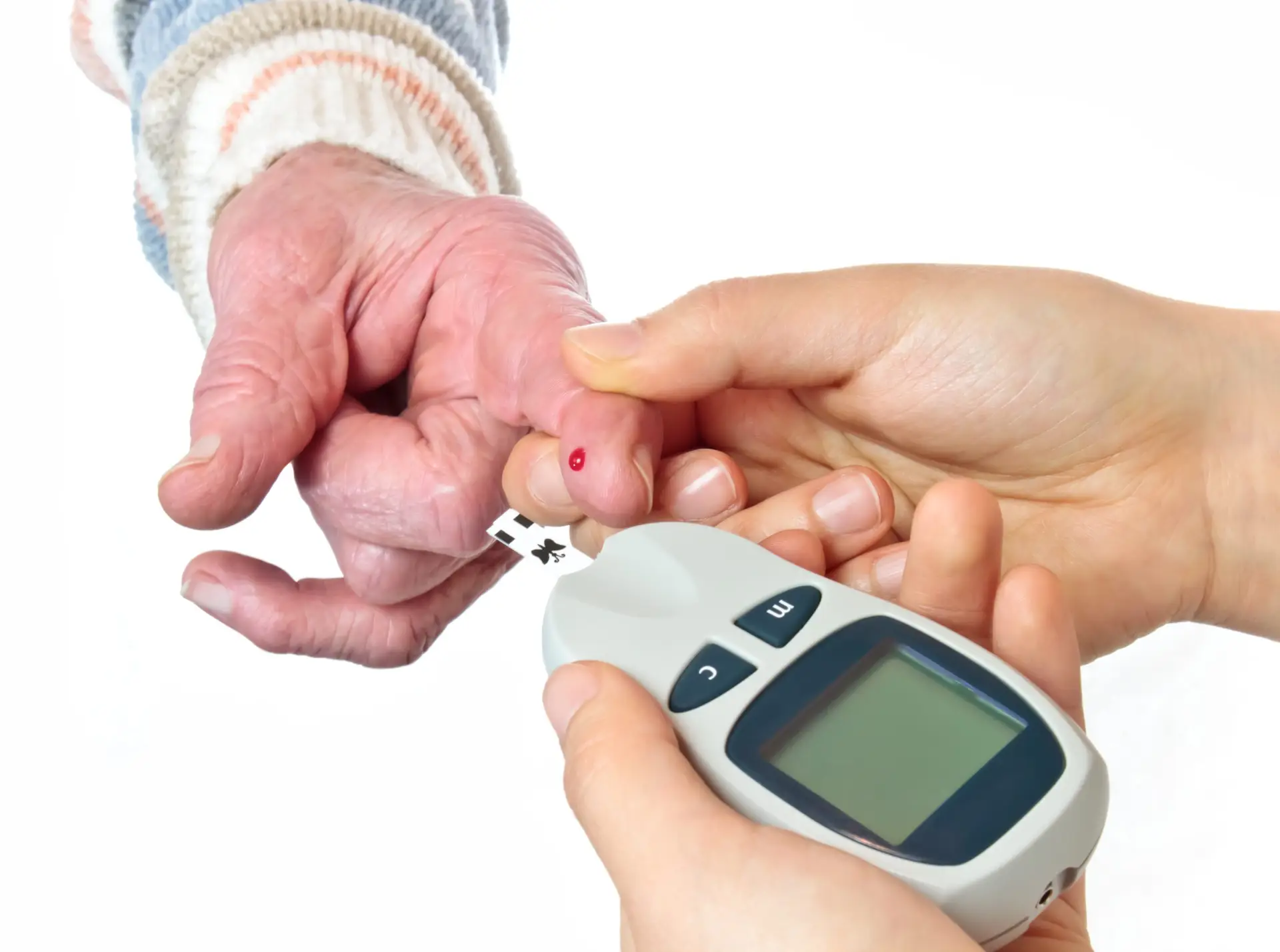
Understanding Diabetes and Its Causes
Diabetes is a chronic disease characterized by high blood sugar levels. There are two main types of diabetes – type 1 and type 2. Type 1 diabetes occurs when your immune system attacks and destroys the insulin-producing cells in your pancreas, leading to a lack of insulin production. On the other hand, type 2 diabetes develops when your body becomes resistant to insulin or doesn’t produce enough insulin to meet its needs. Risk factors for type 2 diabetes include obesity, physical inactivity, poor diet, family history, age, and ethnicity.
Insulin Control: The Key to Managing Blood Sugar Levels
Maintaining proper insulin control is vital for managing blood sugar levels. People with diabetes may require daily insulin injections or use an insulin pump to manage their blood sugar levels. Additionally, lifestyle modifications such as regular exercise, a balanced diet, and stress management can also help improve insulin sensitivity and reduce the risk of complications associated with diabetes.
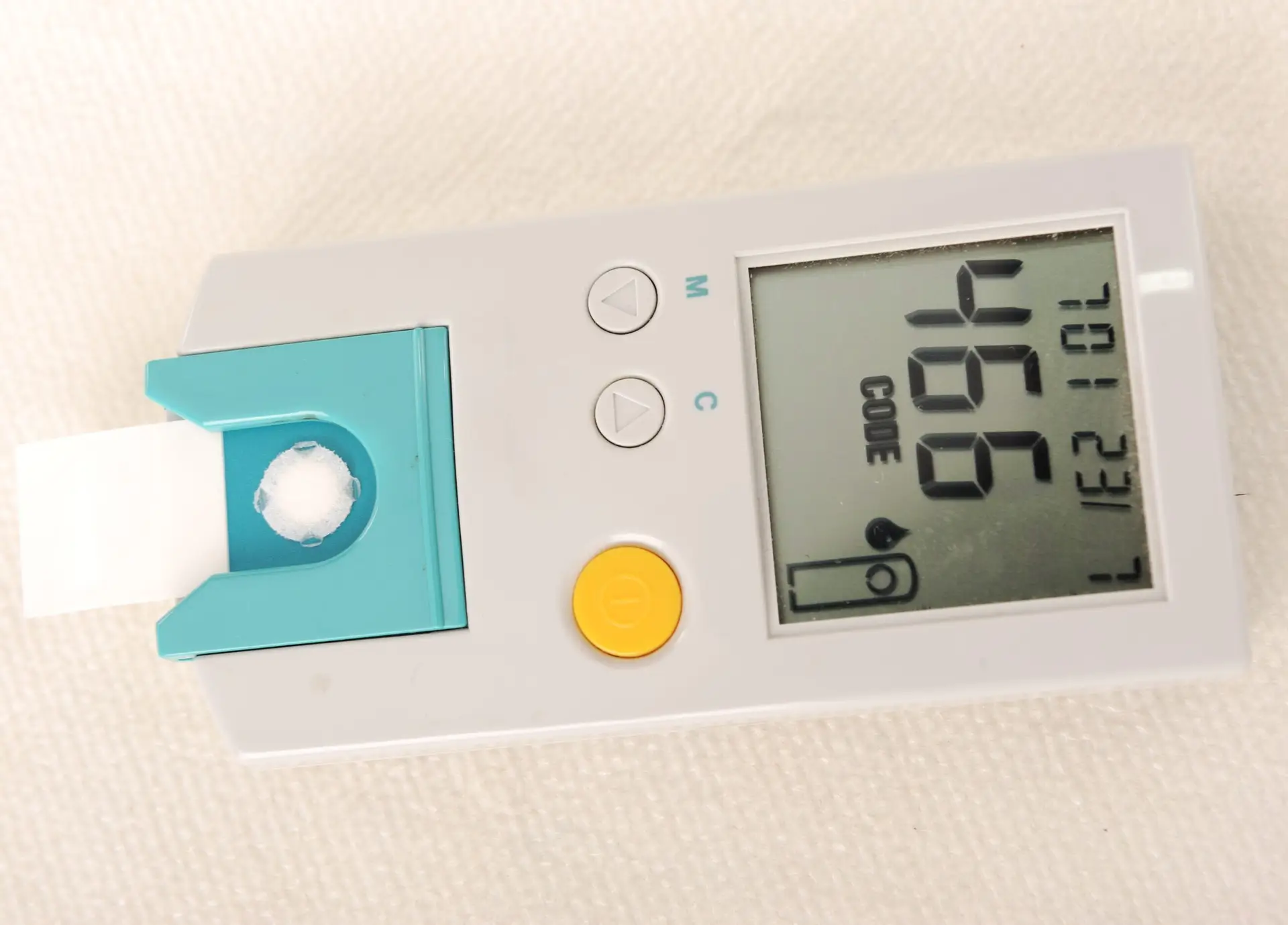
Hyperglycemia: Signs, Symptoms, and Prevention
Hyperglycemia occurs when your blood sugar level rises above 180 mg/dL. This condition can lead to several long-term complications such as nerve damage, kidney failure, cardiovascular diseases, and eye problems. Common signs and symptoms of hyperglycemia include increased thirst, frequent urination, blurred vision, fatigue, dry mouth, and weight loss. To prevent hyperglycemia, it’s essential to follow a strict diabetic meal plan, engage in regular physical activity, monitor your blood sugar levels regularly, and take prescribed medication on time.
Conclusion
Maintaining optimal blood sugar balance is crucial for living a healthy life with or without diabetes. By understanding the causes and symptoms of blood sugar imbalances, taking appropriate measures to manage insulin levels, and making healthy lifestyle choices, you can significantly lower your risk of developing serious health complications related to blood sugar imbalances.