
Blood pressure is a vital sign that measures the force of blood against your artery walls as it circulates through your body. It’s important for maintaining proper blood flow and delivering nutrients and oxygen to organs throughout the body. However, when blood pressure becomes too high or low, it can lead to serious health problems. In this article, we will cover everything you need to know about blood pressure, including its causes, symptoms, natural treatments, lifestyle changes, and when to seek medical attention.
Introduction to Blood Pressure
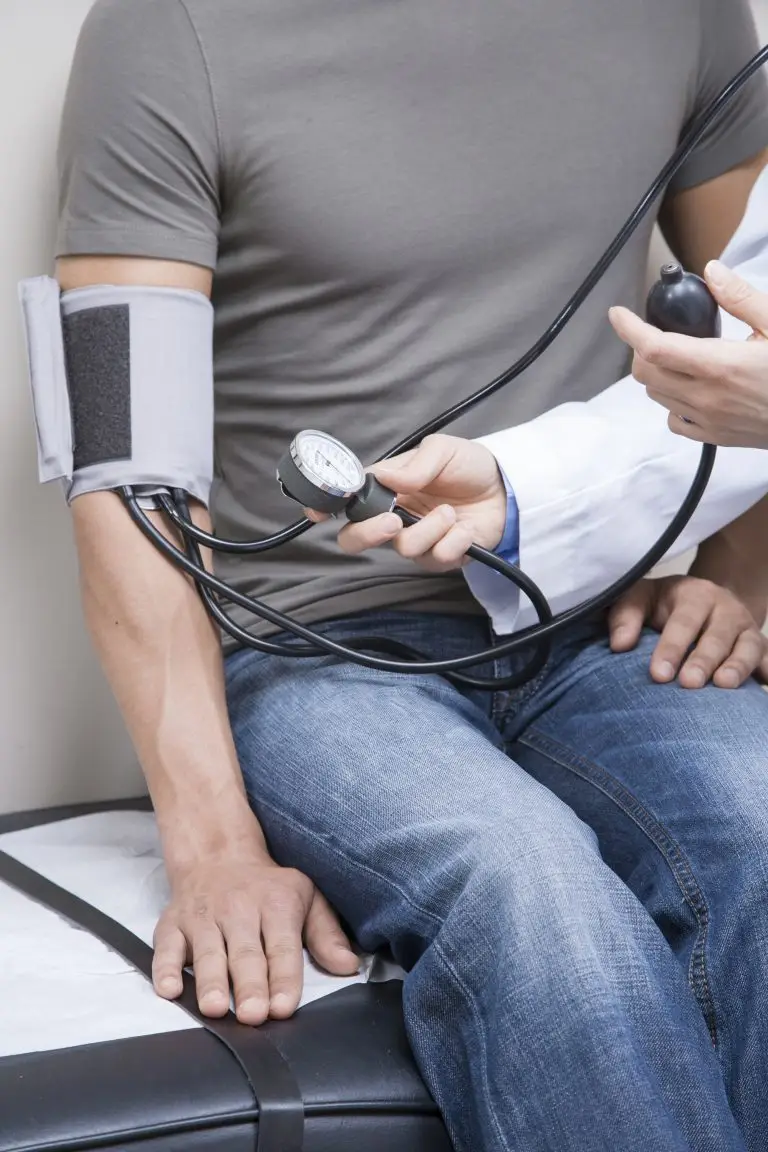
Blood pressure is typically measured using two numbers – systolic (the top number) and diastolic (the bottom number). The systolic number represents the amount of pressure in your arteries when your heart beats, while the diastolic number represents the amount of pressure between beats. A normal blood pressure reading should be below 120/80 mmHg. High blood pressure, also known as hypertension, occurs when the systolic number is consistently above 130-140 mmHg or the diastolic number is consistently above 90 mmHg. Low blood pressure, on the other hand, occurs when the systolic number falls below 90 mmHg or the diastolic number falls below 60 mmHg.
What Is Blood Pressure?
Blood pressure is affected by several factors, including genetics, age, race, sex, weight, physical activity level, stress levels, and certain medications. Certain conditions such as kidney disease, thyroid disorders, and adrenal gland tumors can also cause high blood pressure. Additionally, pregnancy can increase blood pressure due to increased fluid volume and hormonal changes.
Causes of High Blood Pressure
High blood pressure often has no signs or symptoms, which makes it difficult to detect without regular checkups with a doctor. However, some people may experience headaches, dizziness, blurred vision, chest pain, or shortness of breath if their blood pressure is extremely high. Natural Treatments for High Blood Pressure
There are many ways to manage high blood pressure naturally, including eating a healthy diet rich in fruits, vegetables, whole grains, lean protein, and low-fat dairy products; exercising regularly; reducing sodium intake; managing stress levels; quitting smoking; and limiting alcohol consumption. Some herbs and supplements, such as garlic, hawthorn, and omega-3 fatty acids, have also been shown to help lower blood pressure.
Lifestyle Changes to Manage Blood Pressure
In addition to natural treatments, making lifestyle changes can go a long way in managing blood pressure. These include losing excess weight, increasing physical activity, reducing salt intake, moderating alcohol consumption, managing stress levels, and quitting smoking. When to Seek Medical Attention for High Blood Pressure
If you suspect you have high blood pressure, it’s essential to see a doctor right away. Your doctor will perform a series of tests to determine whether you have high blood pressure and provide appropriate treatment options. If left untreated, high blood pressure can lead to serious complications such as stroke, heart attack, kidney failure, and blindness.
Conclusion: Taking Control of Your Blood Pressure
Taking control of your blood pressure involves making healthier choices every day, staying informed about your risk factors, and getting regular checkups with your doctor. By taking these steps, you can reduce your risk of developing high blood pressure and enjoy better overall health.