
Have you ever wondered what blood pressure is or why it’s so important? Blood pressure refers to the force that your blood exerts against the walls of your arteries as it flows through them. It’s a crucial aspect of heart health and can have significant implications if not managed properly. In this article, we will cover everything you need to know about blood pressure, including its causes, symptoms, natural treatments, when to seek medical attention, and more.
Introduction to Blood Pressure
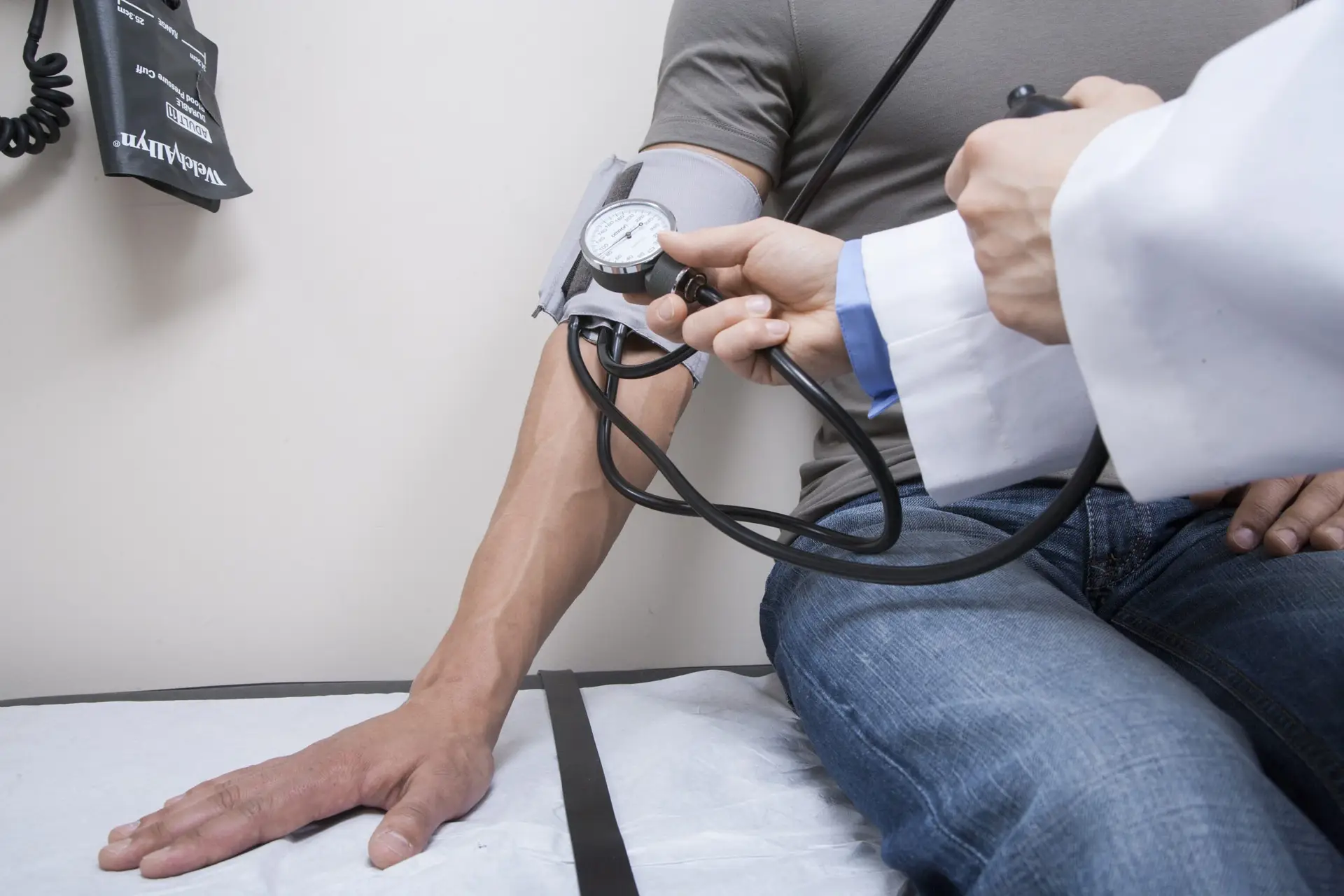
Blood pressure is typically measured using two numbers – systolic (the top number) and diastolic (the bottom number). The systolic number represents the amount of pressure in your arteries when your heart beats, while the diastolic number represents the amount of pressure between beats. A normal blood pressure reading should fall below 120/80 mmHg. However, high blood pressure (hypertension) occurs when these readings are consistently above 130/80 mmHg.
What Is Blood Pressure?
As mentioned earlier, blood pressure refers to the force that your blood exerts against the walls of your arteries as it flows through them. Your blood pressure changes throughout the day depending on various factors such as stress, exercise, and sleep. When you visit a doctor for a checkup, they may take several readings over time to determine an average blood pressure level.
Causes of High Blood Pressure
There are many potential causes of high blood pressure, including genetics, lifestyle choices, and underlying conditions. Some common risk factors include obesity, physical inactivity, poor diet, smoking, excessive alcohol consumption, and chronic stress. Additionally, certain medical conditions like kidney disease, thyroid disorders, and adrenal gland tumors can also cause high blood pressure.
Symptoms of High Blood Pressure
Unfortunately, high blood pressure often has no visible signs or symptoms until it becomes severe. This makes regular monitoring essential to detect any abnormalities early on. In some cases, people with hypertension may experience headaches, dizziness, blurred vision, chest pain, or shortness of breath. If left untreated, high blood pressure can lead to serious complications such as stroke, heart attack, and kidney failure.
Natural Treatments for High Blood Pressure
While medication is sometimes necessary to manage high blood pressure, there are also numerous natural remedies that can help lower your levels. These include maintaining a healthy weight, engaging in regular physical activity, eating a balanced diet rich in fruits, vegetables, whole grains, and lean protein sources, reducing sodium intake, managing stress through relaxation techniques like meditation or yoga, quitting smoking, and limiting alcohol consumption.
When to Seek Medical Attention
If you suspect you may have high blood pressure, it’s essential to see a doctor for proper diagnosis and treatment. They will likely perform multiple blood pressure tests over time to confirm their findings and rule out other possible causes. Depending on the severity of your condition, your physician may recommend lifestyle modifications, medications, or both to manage your blood pressure levels.
Conclusion
High blood pressure is a silent killer that affects millions of Americans each year. By understanding the basics of blood pressure, its causes, symptoms, natural treatments, and when to seek medical attention, you can take proactive steps towards better heart health. Remember, prevention is key when it comes to managing blood pressure, so make sure to incorporate healthy habits into your daily routine to reduce your risk of developing hypertension.