
Did you know that high blood pressure, also known as hypertension, is a major risk factor for heart disease and stroke? It’s true – in fact, it’s often referred to as the “silent killer” because many people don’t even realize they have it until something serious happens. That’s why it’s so important to understand what blood pressure is, how it affects your health, and what you can do about it.
Introduction to Blood Pressure
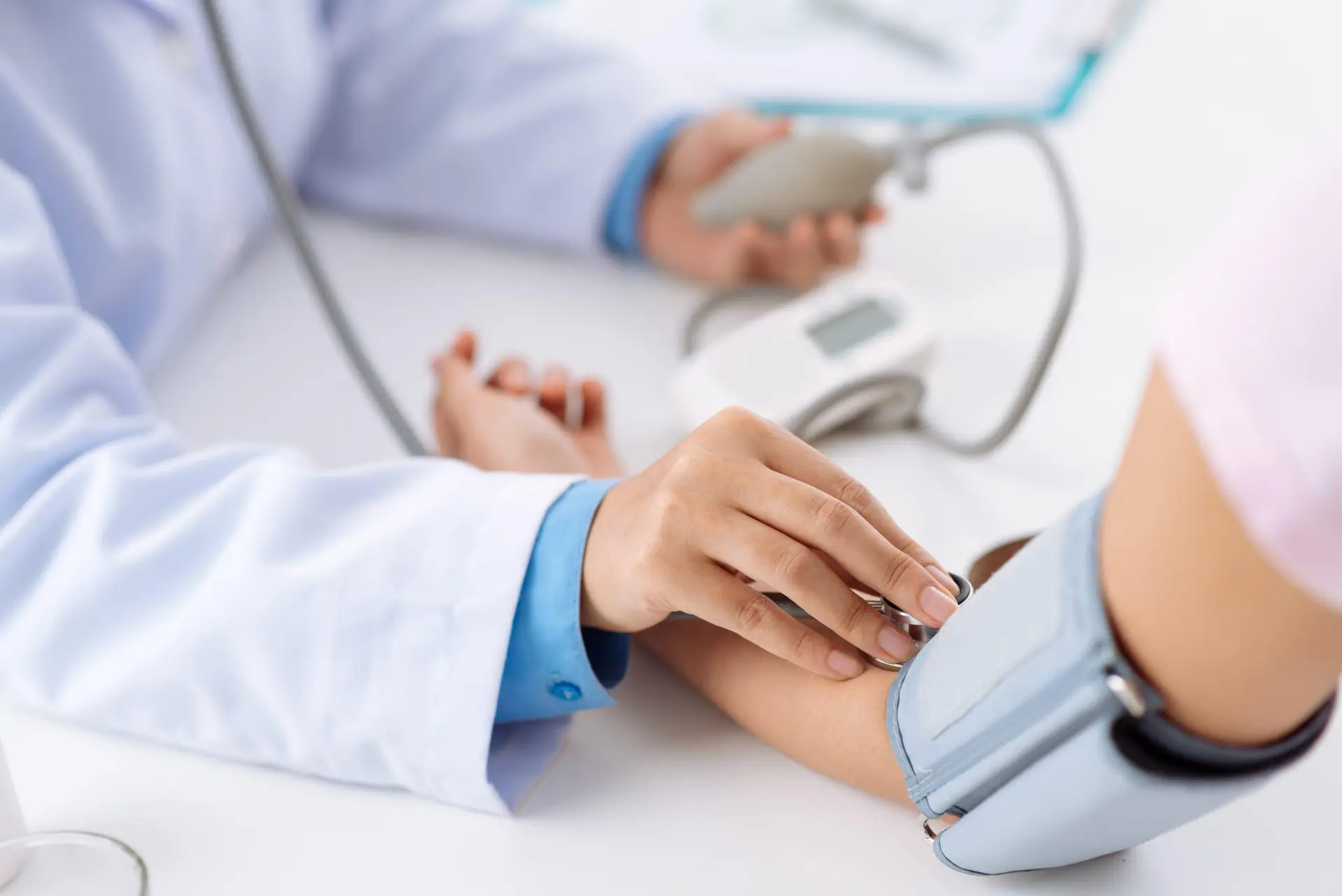
When we talk about blood pressure, we’re referring to the force of blood pushing against the walls of your arteries as it flows through your body. Your blood pressure reading consists of two numbers: systolic (the top number) and diastolic (the bottom number). The systolic number represents the amount of pressure in your arteries when your heart beats, while the diastolic number represents the amount of pressure between beats. A normal blood pressure reading is generally considered to be around 120/80 or lower.
What Is Blood Pressure?
As I mentioned earlier, blood pressure refers to the force of blood flowing through your arteries. When this force becomes too strong, it can cause damage to your artery walls, which can lead to a variety of health problems. High blood pressure can increase your risk of developing heart disease, stroke, kidney failure, and other serious conditions.
Causes of High Blood Pressure
There are several factors that can contribute to high blood pressure, including genetics, lifestyle choices, and environmental factors. Some common causes include:
Age (as you get older, your risk increases)
Family history of high blood pressure
Being overweight or obese
Lack of physical activity
Poor diet (high in sodium and low in potassium)
Stress
Smoking
Alcohol consumption
Symptoms of High Blood Pressure
Unfortunately, high blood pressure usually doesn’t come with any noticeable symptoms. In fact, many people who have it don’t even realize it until their doctor checks their blood pressure during an appointment. However, some people may experience headaches, dizziness, blurry vision, or fatigue as a result of high blood pressure.
Natural Treatments for High Blood Pressure
If you’ve been diagnosed with high blood pressure, there are several natural treatments you can try before resorting to medication. These include:
Eating a healthy diet rich in fruits, vegetables, whole grains, lean protein, and low-fat dairy products
Exercising regularly (aim for at least 30 minutes per day, most days of the week)
Losing weight if you’re overweight or obese
Reducing stress through relaxation techniques like meditation or yoga
Quitting smoking and limiting alcohol intake
When to Seek Medical Attention
While natural treatments can be effective for some people, others may need medical intervention to manage their blood pressure. If you’re experiencing severe headaches, chest pain, shortness of breath, or any other unusual symptoms, seek immediate medical attention. Additionally, if your blood pressure readings consistently exceed 140/90 (even after trying natural treatments), you should consult with your doctor about medication options.
Conclusion
In conclusion, understanding blood pressure is crucial for maintaining good overall health. By knowing the causes, symptoms, and natural treatments for high blood pressure, you can take steps towards living a longer, happier life. Remember, prevention is key – so make sure to schedule regular checkups with your doctor and stay vigilant about managing your blood pressure levels.