
Blood pressure is a common health condition that affects millions of people worldwide. It refers to the force at which blood flows through your arteries, and it’s essential for maintaining good overall health. In this article, we will cover everything you need to know about blood pressure, including its causes, symptoms, natural treatments, lifestyle changes, and when to seek medical attention.
Introduction to Blood Pressure
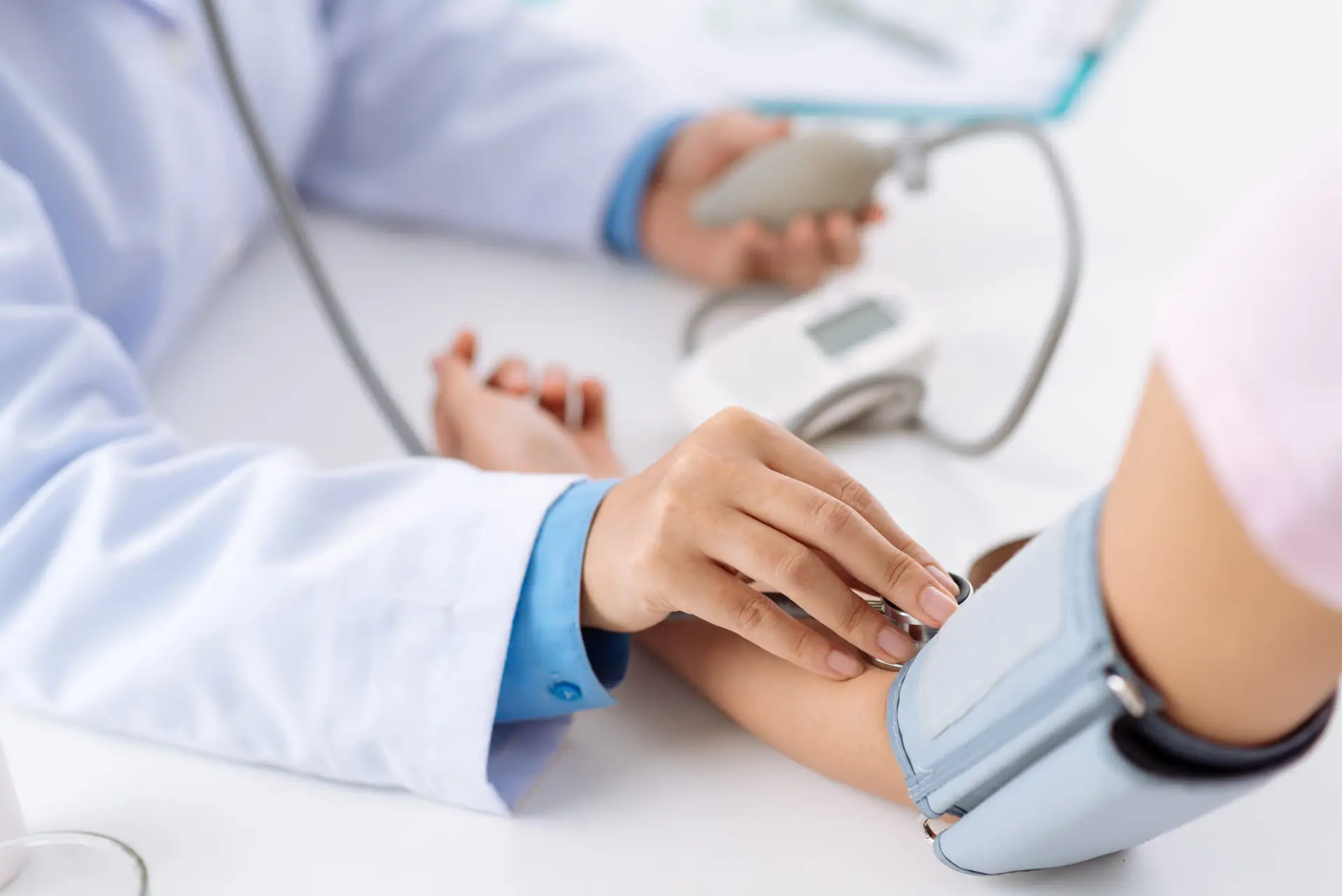
Blood pressure is measured in millimeters of mercury (mmHg) and is recorded as two numbers – systolic and diastolic pressures. The systolic number represents the pressure in your arteries when your heart beats while the diastolic number represents the pressure between beats. A normal blood pressure reading should be below 120/80 mmHg. However, if either number is higher than usual, it could indicate high or low blood pressure.
What Is Blood Pressure?
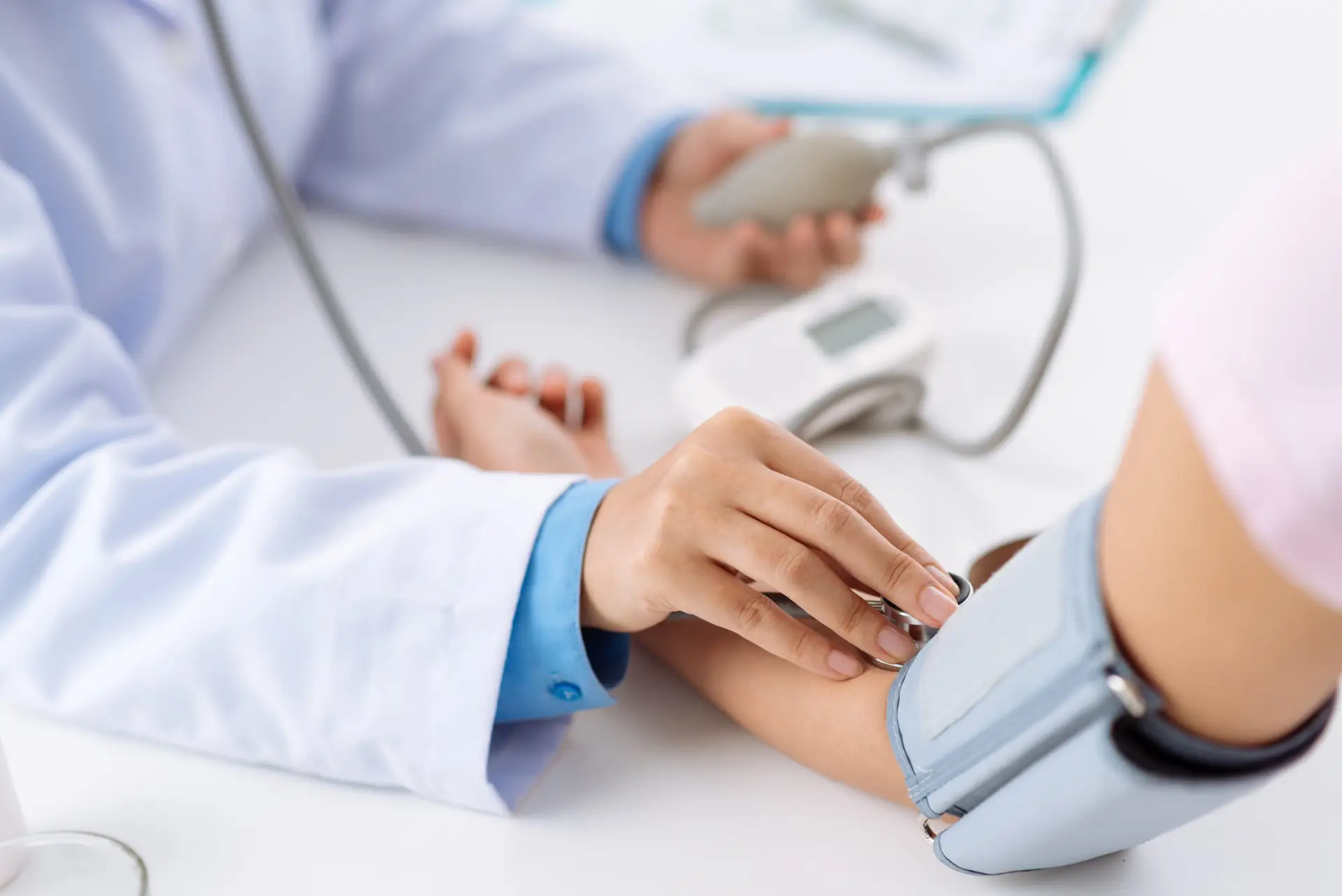
Blood pressure is the measure of how hard your blood pushes against the walls of your arteries as it moves throughout your body. Your blood pressure can change depending on various factors such as stress, exercise, medication, and even time of day. High blood pressure, also known as hypertension, occurs when the pressure in your arteries is consistently above 140/90 mmHg. Low blood pressure, also called hypotension, happens when the pressure falls below 90/60 mmHg. Both conditions can lead to serious health problems if left untreated.
Causes of High and Low Blood Pressure
There are several reasons why someone may have high or low blood pressure. Some of these include:
Genetics
Age
Gender
Lack of physical activity
Poor diet
Smoking
Excessive alcohol consumption
Stress
Symptoms of High and Low Blood Pressure
High blood pressure often has no signs or symptoms until it reaches severe levels. However, some people with high blood pressure may experience headaches, dizziness, blurred vision, chest pain, or shortness of breath. On the other hand, low blood pressure may cause lightheadedness, fainting, weakness, confusion, nausea, or cold sweats. If any of these symptoms persist, consult with your doctor immediately.
Natural Treatments for Blood Pressure
In addition to prescribed medications, there are many natural ways to manage blood pressure. These include:
Regular exercise
Eating a balanced diet rich in whole grains, fruits, vegetables, lean protein, and low-fat dairy products
Reducing sodium intake by limiting processed foods and eating more fresh produce
Maintaining a healthy weight
Managing stress through relaxation techniques like meditation or yoga
Lifestyle Changes for Managing Blood Pressure
Making certain lifestyle changes can help lower blood pressure and reduce the risk of developing related health complications. Here are some tips to follow:
Quit smoking or avoid secondhand smoke
Limit alcohol consumption to one drink per day for women and two drinks per day for men
Get regular exercise, aiming for at least 30 minutes most days of the week
Follow a DASH diet plan, which emphasizes whole foods and limits salt and sugar intake
When to Seek Medical Attention for Blood Pressure Problems
If you suspect you have high or low blood pressure, visit your doctor for an accurate diagnosis. They will take your medical history, perform a physical examination, and order necessary tests to determine the underlying cause of your blood pressure problem. Depending on the severity of your condition, they may recommend lifestyle modifications, medication, or both.
Conclusion: Taking Control of Your Blood Pressure Health
Managing blood pressure is crucial for maintaining good overall health. By making healthier choices, staying active, and monitoring your blood pressure regularly, you can prevent or control this common health condition. Remember, taking care of your blood pressure today means a better quality of life tomorrow.