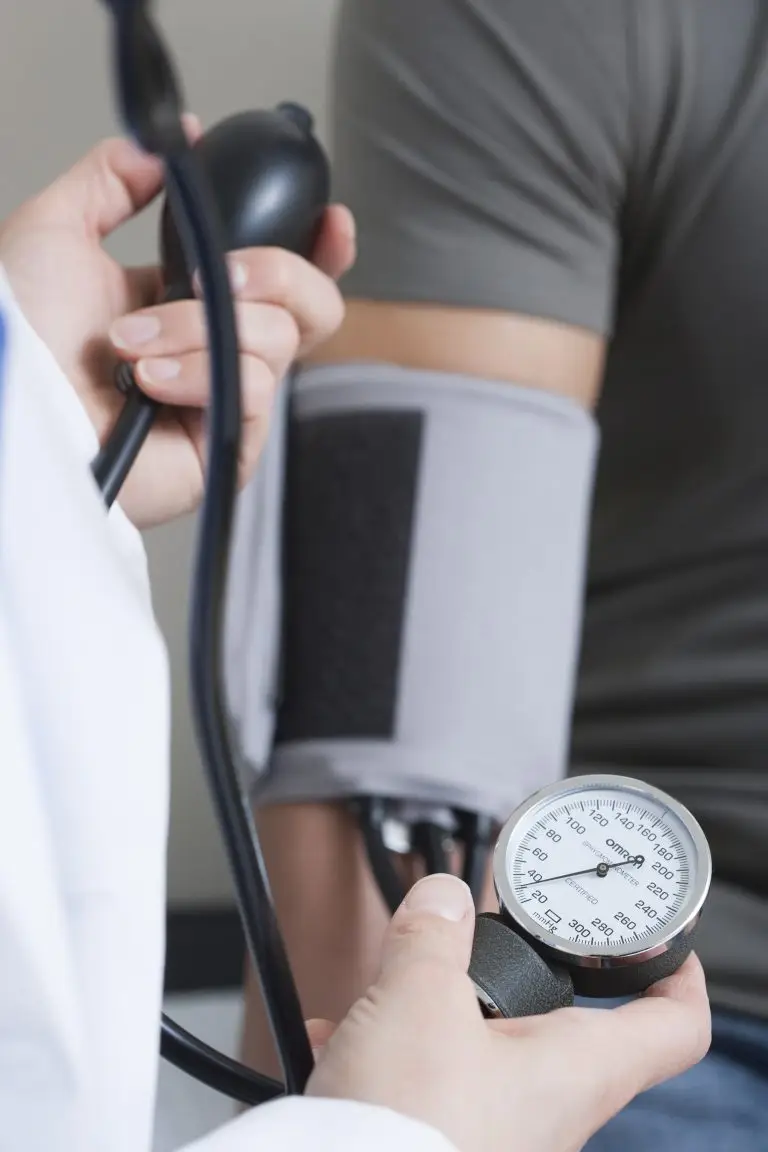

Blood pressure is a crucial aspect of our overall health, and it’s something that many people don’t think about until there’s an issue. High blood pressure, also known as hypertension, affects millions of individuals worldwide, and it can lead to severe health complications if left untreated. In this article, we will explore everything you need to know about high blood pressure, including its causes, symptoms, natural treatments, when to seek medical attention, and more.
High blood pressure occurs when the force of your blood pushing against the walls of your arteries is too high. This puts extra strain on your heart and blood vessels, which can increase your risk for serious health problems such as stroke, heart attack, kidney failure, and even blindness. There are several factors that can contribute to high blood pressure, including:
Age (the older you get, the higher your risk)
Family history
Lack of physical activity
Poor diet (high in sodium and low in potassium)
Smoking or excessive alcohol consumption
Stress
Symptoms of high blood pressure often go undetected because they are subtle and may not cause any noticeable discomfort. However, some common signs include headaches, dizziness, blurred vision, chest pain, and shortness of breath. If you experience these symptoms regularly, it’s essential to see your doctor for proper diagnosis and treatment.
Natural Treatments for High Blood Pressure
There are several lifestyle changes you can make to help lower your blood pressure naturally. These include:
Eating a balanced diet rich in fruits, vegetables, whole grains, lean protein, and healthy fats
Exercising regularly (30 minutes per day, at least 5 days per week)
Reducing salt intake by limiting processed foods and adding herbs and spices instead
Quitting smoking or avoiding secondhand smoke
Managing stress through relaxation techniques like meditation or yoga
When to Seek Medical Attention
If you have been diagnosed with high blood pressure, it’s essential to monitor it closely and work with your doctor to manage it effectively. You should seek immediate medical attention if you experience any of the following symptoms:
Chest pain or discomfort
Shortness of breath
Difficulty speaking or understanding
Weakness or numbness in your arms or legs
Sudden loss of vision
Conclusion and Final Thoughts
High blood pressure is a significant health concern that requires careful monitoring and management. By making healthy lifestyle choices and working with your doctor, you can reduce your risk for serious health complications and enjoy a longer, happier life. Remember to stay informed, take action, and prioritize your health above all else.