Hypertension, or high blood pressure, is a common medical condition that affects millions of people worldwide. It occurs when the force of your blood pushing against the walls of your arteries is too strong, causing damage to your heart and other organs over time. In this article, we will cover everything you need to know about hypertension, including its causes, symptoms, natural treatments, lifestyle changes, and when to seek medical attention.
Introduction to Blood Pressure
Your blood pressure is the measure of how much force your blood exerts on the walls of your arteries as it flows through them. It’s typically measured in two numbers – systolic (the top number) and diastolic (the bottom number). The systolic number represents the amount of pressure in your arteries when your heart beats, while the diastolic number represents the amount of pressure between beats. A normal blood pressure reading is below 120/80 mmHg.
What is Hypertension?
Hypertension is defined as having a sustained blood pressure reading of 130/80 mmHg or higher. This means that your blood is constantly flowing with too much force, which can lead to serious health problems such as stroke, heart disease, kidney failure, and more.
Causes of High Blood Pressure
There are several factors that can cause high blood pressure, including genetics, age, race, weight, physical activity level, salt intake, alcohol consumption, stress, and certain medications. Some of these risk factors can be controlled by making lifestyle changes, while others cannot.
Symptoms of High Blood Pressure
Unfortunately, many people with hypertension don’t experience any noticeable symptoms until their blood pressure reaches dangerously high levels. However, some may experience headaches, dizziness, blurred vision, chest pain, shortness of breath, or fatigue. These symptoms should not be ignored and require immediate medical attention.
Natural Treatments for High Blood Pressure
In addition to medication, there are several natural ways to manage high blood pressure, including losing weight if overweight, reducing sodium intake, increasing potassium-rich foods, exercising regularly, managing stress, quitting smoking, and limiting alcohol consumption. These lifestyle changes have been shown to lower blood pressure and reduce the risk of related health complications.
Lifestyle Changes to Manage Blood Pressure
Making lifestyle changes is an important part of managing high blood pressure. Here are some tips to help get started:
Lose weight if overweight or obese
Reduce sodium intake by avoiding processed foods and adding less salt to meals
Eat a balanced diet rich in fruits, vegetables, whole grains, lean protein, and low-fat dairy products
Exercise regularly, aiming for at least 30 minutes per day most days of the week
Manage stress through relaxation techniques like meditation or yoga
Quit smoking if you currently smoke
When to Seek Medical Attention for High Blood Pressure
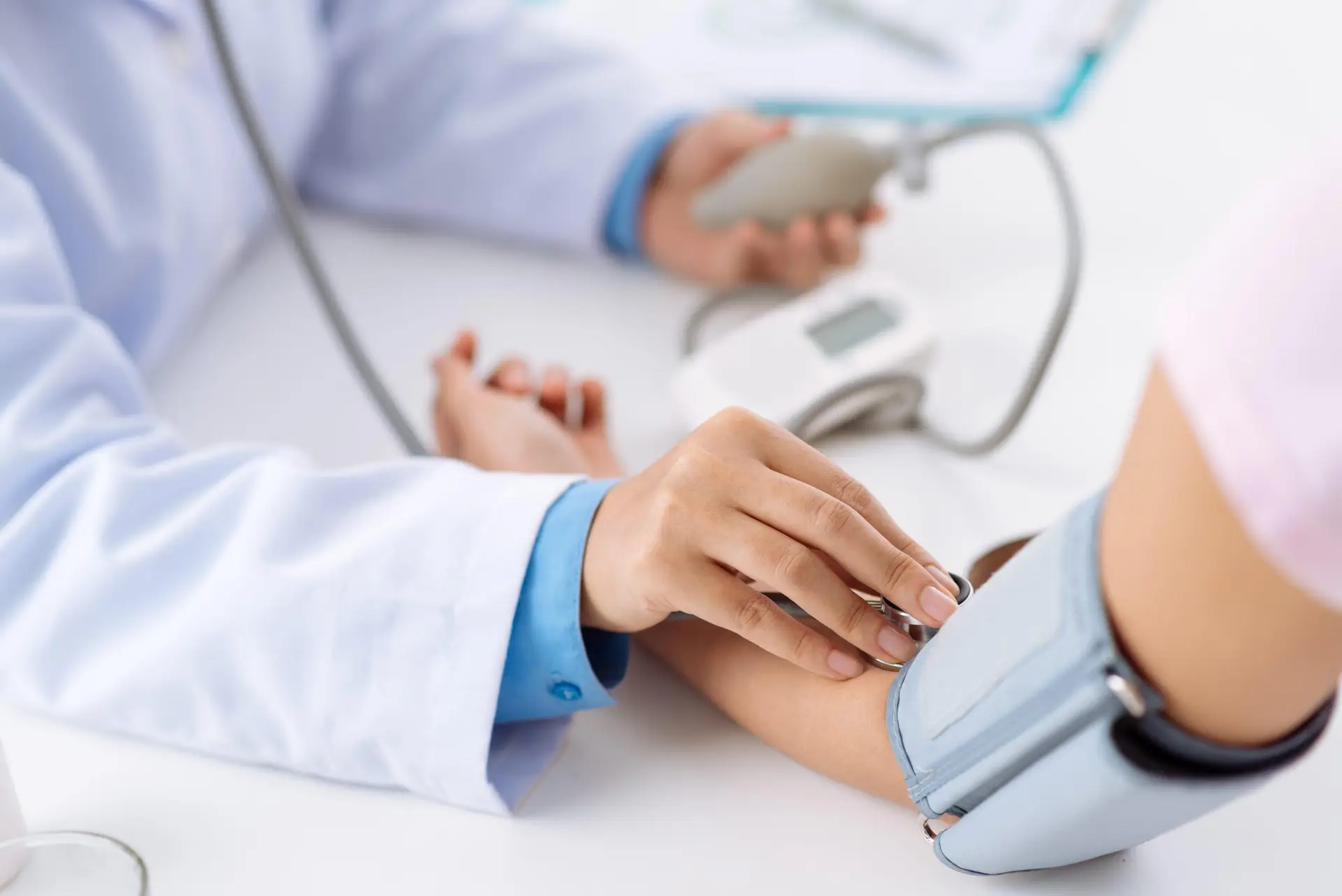
If you suspect you have high blood pressure, it’s essential to see a doctor right away. Your doctor will perform a simple test using a cuff around your arm to check your blood pressure. If your blood pressure is consistently above 130/80 mmHg, your doctor may prescribe medication along with lifestyle changes to manage your blood pressure.
Conclusion: Taking Control of Your Blood Pressure
High blood pressure is a serious medical condition that requires careful management. By making lifestyle changes and working closely with your doctor, you can take control of your blood pressure and reduce your risk of developing related health complications. Remember, prevention is key!