
Vision health is an essential aspect of our overall well-being. Our eyes are delicate organs that require proper care and attention to function correctly. In this blog post, we will discuss the signs and symptoms of macular degeneration, cataracts, diabetic retinopathy, glaucoma, and floaters. We will also explore natural treatments for vision conditions and ways to protect your sight.
Signs and Symptoms of Vision Conditions
Macular degeneration is a condition that affects the central part of the eye called the macula. It causes blurry or distorted vision in one or both eyes. Other symptoms include difficulty reading small print, colors appearing less vibrant, and objects appearing smaller than they actually are.
Cataracts occur when the lens of the eye becomes clouded, causing blurred or hazy vision. People with cataracts may experience glare from bright lights, double vision, and fading colors.
Diabetic retinopathy occurs when high blood sugar levels damage the tiny blood vessels in the retina. Symptoms include blurry vision, spots floating in front of the eyes, and loss of peripheral vision.
Glaucoma is a group of diseases that cause progressive damage to the optic nerve, which connects the eye to the brain. Symptoms include tunnel vision, halos around light sources, and severe pain in the eye.
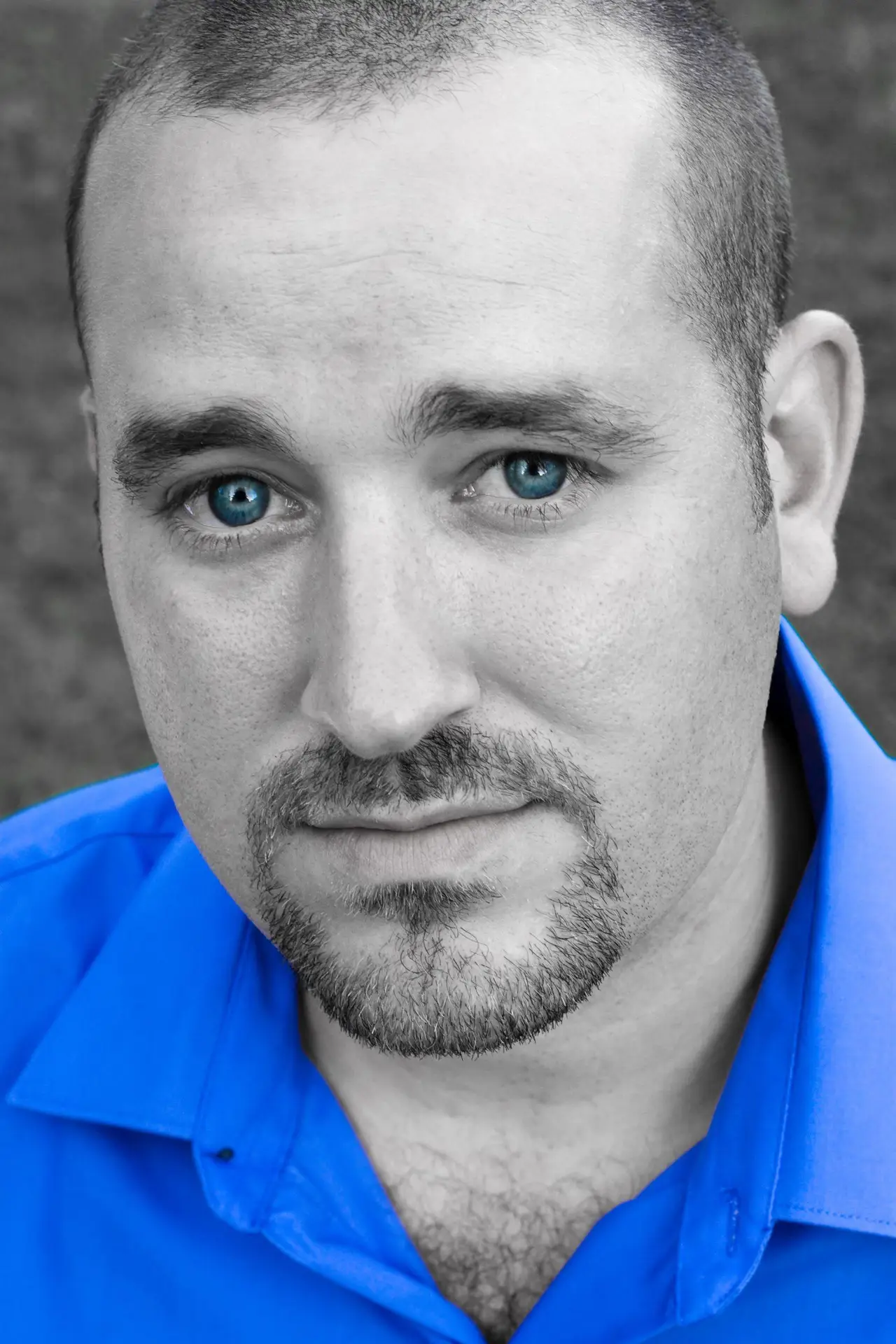
Floaters are specks or strands that appear in the field of vision. They can be caused by age-related changes in the vitreous humor (the gel-like substance inside the eye) or injury to the eye.
Natural Treatments for Vision Conditions
There are several natural remedies that have been shown to improve vision health. These include eating a balanced diet rich in antioxidants like carrots, spinach, kale, and blueberries; exercising regularly; getting enough sleep; reducing stress through meditation or yoga; and avoiding smoking and excessive alcohol consumption.
Conclusion: Protecting Your Sight
Protecting your sight is crucial to maintaining good overall health. Regular eye exams, wearing sunglasses to block UVA/UVB rays, not smoking, and controlling chronic medical conditions like diabetes and hypertension can help prevent vision loss. If you experience any of the symptoms mentioned above, consult with an ophthalmologist immediately. Remember, taking care of your eyes today will ensure clear vision tomorrow.