
A person’s brain is the most complex and important organ in their body. It controls all of our bodily functions, and without it we would not be able to function at all. It is vital that we take care of our brains as they are our only connection with the outside world. When you are young your brain is growing and developing at an incredible rate, and by the time you reach adulthood you have already formed many memories, and have learned many skills. The brain is also very susceptible to damage and diseases such as Alzheimer\\\\\\\’s disease, Parkinson\\\\\\\’s disease and epilepsy. These can lead to serious problems if left untreated. If you or someone you know suffers from any of these conditions, then it is extremely important to seek medical advice and get them checked out.
Alzheimer\\\\\\’s Disease
Alzheimer\\\\\’s disease is one of the most common forms of dementia, and is characterised by the progressive loss of memory and other cognitive abilities. The disease is often accompanied by changes in mood, personality and behaviour, and is caused by the degeneration of certain areas of the brain, which leads to the formation of amyloid plaques and neurofibrillary tangles. The disease progresses over a period of years, and is often diagnosed in those over the age of 65.
The causes of Alzheimer\\\\\\\’s are not fully understood, but there are some risk factors that have been identified. The most well known is the presence of Apolipoprotein E (APOE) 4 gene. This is a gene that has been associated with an increased risk of Alzheimer\\\\\\\’d, and can be found on chromosome 19. Other risk factors include advanced age, a history of depression, low education level, low income, and having a family history of the disease.
Dementias
Dementia is a general term used to describe a wide range of disorders that affect the brain. They are a result of damage to the brain due to either a disease or injury, and can affect a person’s ability to think, remember, communicate, and perform daily tasks. There are many different types of dementia, including Alzheimer\\\\\\\’s, vascular dementia, Lewy Body Dementia, Frontotemporal Dementia, Dementia with Lewy Bodies, Parkinson\\\\\\\’d related Dementia, and Huntington\\\\\\\’s Dementia.
Epilepsy and Other Movement Disorders
Epilepsy is a neurological disorder where the brain becomes hypersensitive to electrical signals. A person with epilepsy will experience seizures, which are brief attacks of abnormal electrical activity in the brain. Epilepsy is classified into two main categories; focal epilepsy, which is caused by an abnormality in a single part of the brain, and generalized epilepsy, which is caused by a problem with the entire brain.
A person who has epilepsy will usually experience seizures once or twice a month, and will usually have no control over when they occur. Epilepsy can also be treated using anti-epileptic drugs, which will stop the seizures from occurring, and may also reduce the frequency and severity of the attacks.
Mental Disorders
Mental disorders are a broad term used to describe a range of conditions that affect a person’s mental state. These conditions can include anxiety, depression, schizophrenia, bipolar disorder, obsessive compulsive disorder, eating disorders, and more. Mental disorders are also sometimes referred to as psychiatric disorders, and they are often diagnosed using a combination of psychological testing and interviews.
Mental disorders can be very debilitating for sufferers, and can cause them to have difficulty performing everyday tasks, and even leading to suicide. Many people with mental disorders suffer in silence, and do not seek help until it is too late.
Parkinson\\\\\\\’s and Other Movement Disorders
Parkinson\\\\\\’s disease is a degenerative neurological condition that affects the motor system of the body. The most common symptom of Parkinson\\\\\\\’s is a tremor in the hands, which makes it difficult to carry out everyday tasks. As the disease progresses, the person will become unsteady on their feet, and may also develop rigidity, slowness of movement, and other symptoms.
There are a number of treatments available for Parkinson\\\\\\\’s, including medication, surgery, and physical therapy. However, there is currently no cure for the disease.
Stroke and Transitory Ischemic Attack
A stroke occurs when blood supply to the brain is blocked for a short period of time. This causes oxygen deprivation, and cell death in the brain tissue. Strokes are often caused by a blood clot that has travelled to the brain through the carotid artery, and blockage of the flow of blood to the brain can also occur in other parts of the body. Symptoms of a stroke include numbness, weakness, vision problems, speech difficulties, and confusion.
If you suspect that you or someone else has had a stroke, then it is essential that you seek medical advice immediately. Strokes are often life threatening, and if they are not treated quickly they can lead to severe disability or even death.
Dementia Causes
It is important to understand the causes of dementia, as this will help you to understand what you can do to prevent it from happening to you. There are many risk factors that can contribute to the development of dementia, including old age, low education level, and being overweight.
Other factors that increase the risk of dementia include:
- • Having a family history of dementia
- • Having hypertension
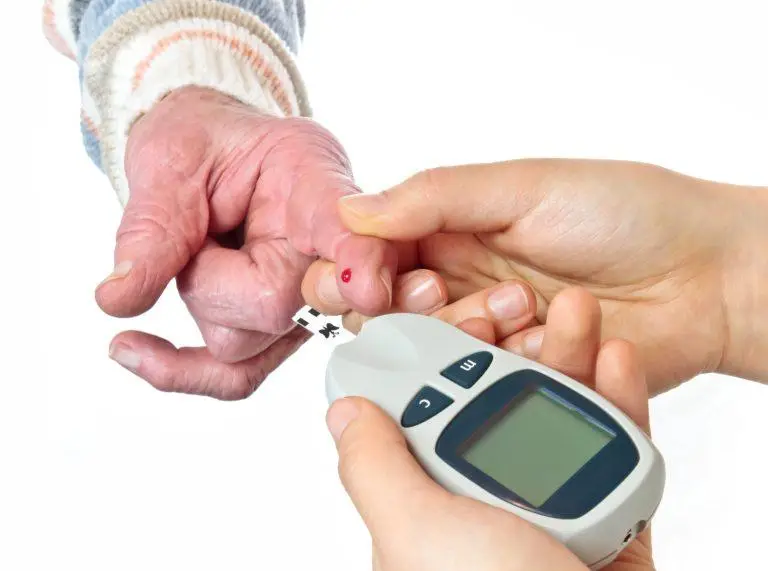
- • Having diabetes
- • Having a history of stroke
- • Being female
- • Having a history of depression
- • Smoking
- • Drinking alcohol
- • Being exposed to toxins
- • Being exposed to air pollution
- • Not getting enough exercise
- • Not eating a healthy diet
- • Being stressed
Dementia symptoms
Dementia symptoms are often very subtle, and may only be noticeable after the condition has developed to a certain stage. The most common symptoms of dementia are memory loss, disorientation, and problems with concentration and judgment.
Dementia natural treatments – What are they?
As mentioned above, dementia can be caused by a number of different factors. It is important to note that there is no cure for dementia, and it is therefore important to treat the underlying causes. Dementia natural treatments can include the following:
- • Dietary supplements
- • Exercise
- • Supplements
- • Herbal remedies
- • Nutritional therapies
- • Meditation
- • Massage
- • Acupuncture
- • Yoga
- • Music therapy
- • Hypnosis