The post The Best Oral Hygiene Habits for a Brighter, Healthier Smile appeared first on The Health And Wellness News Blog.
]]>
Introduction to Oral Health and the Importance of Good Hygiene

Good oral hygiene involves regular brushing and flossing of teeth, visiting the dentist regularly, and avoiding unhealthy foods and drinks. Poor oral hygiene can lead to various oral health issues such as cavities, gum disease, bad breath, and even heart diseases. It’s crucial to take care of your mouth by following proper oral hygiene routines.
Common Oral Health Issues and Their Symptoms
Some common oral health problems include:
1. Cavities – a hole in the tooth caused by decay
2. Gum Disease – inflammation of the gums due to plaque buildup
3. Bad Breath – foul smell from the mouth due to bacteria growth
4. Tooth Sensitivity – pain when consuming hot or cold foods/drinks
Symptoms may vary depending on the severity of the issue. For instance, with cavities, one might experience sensitivity, pain while chewing, or visible holes in the teeth. With gum disease, symptoms could be swollen, red, bleeding gums, receding gums, or loose teeth. If left untreated, these conditions can worsen over time leading to severe discomfort and costly treatments.
Natural Treatments for Common Oral Health Problems
There are several natural remedies that can help alleviate some common oral health issues. These include:
1. Oil Pulling – Swishing oil (such as coconut or sesame) in the mouth for 15 minutes before spitting it out. This technique helps remove bacteria and toxins from the mouth.
2. Baking Soda and Lemon Juice – Mixing equal parts of baking soda and lemon juice into a paste and applying it onto the affected area. The acidic nature of lemons kills bacteria while baking soda acts as a mild abrasive to cleanse the teeth.
3. Salt Water Rinse – Mixing salt and water into a solution and rinsing the mouth with it. This method helps reduce inflammation and relieves pain associated with oral health issues.
Maintaining a Bright, Healthy Smile Through Proper Care
To keep your smile bright and healthy, here are some tips to follow:
1. Brush twice daily using fluoride toothpaste and a soft-bristled toothbrush.
2. Floss at least once per day to remove food particles stuck between teeth.
3. Use a tongue scraper to remove bacterial build up on the tongue.
4. Visit the dentist every six months for professional cleanings and checkups.
5. Eat a balanced diet rich in calcium, phosphorus, and vitamin D which are essential nutrients for strong teeth and bones.
6. Stay hydrated by drinking plenty of water throughout the day.
7. Avoid sugary drinks and snacks which promote tooth decay.
In conclusion, taking care of your oral health should be a top priority. By practicing good oral hygiene habits and incorporating natural remedies, you can prevent many common oral health issues and maintain a beautiful, healthy smile.
The post The Best Oral Hygiene Habits for a Brighter, Healthier Smile appeared first on The Health And Wellness News Blog.
]]>The post Bleeding Gums? Here’s What You Need to Know About the Most Common Sign of Poor Dental Hygiene appeared first on The Health And Wellness News Blog.
]]>
Toothache: The Most Common Sign of Poor Dental Hygiene
A toothache is one of the most common signs that your teeth are in poor condition. This pain usually occurs when there is decay or damage to the enamel layer of the teeth. Toothaches may be caused by several factors including cavities, gum disease, and even grinding your teeth at night. If left untreated, this problem could worsen leading to more serious issues like abscesses or loss of teeth.
Bleeding Gums: What You Need to Know About the Most Common Symptom of Bad Oral Health
Bleeding gums are often considered as a minor issue until it becomes chronic. However, if ignored, it can turn into periodontitis, a severe form of gum disease that damages the tissues supporting the teeth. Bleeding gums occur due to bacterial plaque buildup around the teeth, which causes inflammation and irritates the gums. Other risk factors for bleeding gums include smoking, stress, pregnancy, diabetes, and genetics.
Causes and Risk Factors for Bleeding Gums
Smoking is one of the main culprits behind bleeding gums. Tobacco smoke contains over 4000 chemicals, some of which have been linked to gum diseases. Additionally, smokers tend to have worse oral hygiene habits than non-smokers, making them more susceptible to gum problems. Stress is another factor that contributes to bleeding gums since it weakens the immune system, making it harder for the body to fight off infections. Pregnant women are also prone to developing gingivitis due to hormonal changes during pregnancy.
Symptoms of Bleeding Gums and When to Seek Medical Attention
The symptoms of bleeding gums include redness, swelling, and tender gums that easily bleed while brushing or flossing. In addition, bad breath (halitosis) may also indicate gum disease. If you experience any of these symptoms, seek medical attention immediately from your dentist or physician. Left unchecked, gum disease can cause tooth loss, heart disease, stroke, and other health complications.
Natural Treatments for Bleeding Gums
There are several natural remedies that can help alleviate symptoms of bleeding gums. One effective treatment involves using a mixture of salt and water as a mouthwash. Simply dissolve half a teaspoon of salt in warm water and rinse your mouth with it twice a day. Another option is to use tea tree oil, which has antibacterial properties that can kill germs causing gum disease. Apply a few drops of tea tree oil onto your finger and rub it onto your gums before bedtime. Finally, make sure to maintain good oral hygiene practices such as regular brushing and flossing, avoiding sugary foods, and visiting your dentist regularly for checkups and cleanings.
Bad Breath: Another Potential Sign of Poor Dental Hygiene
Halitosis, commonly known as bad breath, is another potential sign of poor dental hygiene. It can be caused by several factors including gum disease, dry mouth, and certain foods. Bad breath may also be indicative of underlying health conditions such as respiratory tract infections, liver failure, and kidney disease. Regular visits to the dentist along with proper oral hygiene practices such as brushing, flossing, and using mouthwash can help prevent halitosis.
The post Bleeding Gums? Here’s What You Need to Know About the Most Common Sign of Poor Dental Hygiene appeared first on The Health And Wellness News Blog.
]]>The post What Are Toothaches? appeared first on The Health And Wellness News Blog.
]]>A toothache can be a sign of gum disease, which is also known as periodontal disease. This type of infection occurs when the gums become inflamed due to bacteria that live in the mouth. If the gums become inflamed, they can pull away from the teeth, causing the teeth to become loose. This condition is known as gingivitis.
If the gums become loose, it allows the bacteria to enter the spaces between the teeth and infect the tissues surrounding the teeth. This type of infection is called periodontal disease. The gums may become swollen and tender, and the gums may bleed if you brush your teeth too hard.
You should see a dentist if you have a toothache. You can also see a dentist if you notice bleeding gums. Bleeding gums are a warning sign that the gums may be infected with bacteria. You should visit your dentist if you notice bleeding gingival tissue. Bleeding gums can be a sign of gingivitis or periodontal disease.
If you have bleeding gums, your dentist may recommend that you take antibiotics for the infection. Antibiotics will kill the bacteria that cause the infection. Your dentist may also recommend that you change your toothbrush, floss, and use mouthwash to help prevent the infection.
Toothaches can be a sign of more serious conditions. For example, you may have a toothache because of a cavity. A toothache may also be a sign of a broken tooth. Broken teeth can cause infection of the bone and soft tissues around the teeth. Broken teeth can be painful and can make eating difficult.
You should also see a dentist if you have bad breath. Bad breath is caused by bacteria that live in the mouth and produce sulfur compounds that smell bad. Bad breath may also be caused by other problems such as sinus infections or poor dental hygiene.
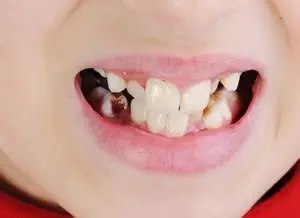
Bad breath can be caused by bacteria that live in your mouth and produce sulfur compounds that cause the bad odor. These bacteria live in your mouth and are known as halitosis bacteria. Halitosis bacteria are normal inhabitants of the mouth.
Halitosis bacteria produce sulfur compounds that are responsible for the bad odor. If these bacteria are present in large numbers, they can cause halitosis.
Bad breath may also be caused by poor dental hygiene. Poor dental hygiene can result in the accumulation of plaque on the teeth. Plaque contains bacteria that produce sulfur compounds that can cause bad breath.
If you have bad breath, you should visit your dentist. Your dentist may recommend that you change your toothbrushes and use mouthwash. You should also clean your tongue and your teeth.
You should also visit your dentist if you notice bad breath. Bad breath may be caused by many different things. Your dentist may recommend that your use mouthwash and change your toothbrush to help prevent bad breath.
The post What Are Toothaches? appeared first on The Health And Wellness News Blog.
]]>