The post How to Prevent Gingivitis with These Natural Remedies appeared first on The Health And Wellness News Blog.
]]>
Causes of Gingivitis and How to Prevent It
Gingivitis is primarily caused by poor oral hygiene, such as not brushing your teeth twice daily or flossing regularly. Other factors that contribute to gingivitis include smoking, diabetes, genetics, stress, and certain medications. To prevent gingivitis, you should practice good oral hygiene habits like brushing your teeth with fluoride toothpaste, flossing daily, using mouthwash, and visiting your dentist regularly for cleanings and checkups. Additionally, maintaining a healthy diet and lifestyle can also help prevent gingivitis.
Natural Remedies for Bleeding Gums
Bleeding gums are a common sign of gingivitis. Here are some natural remedies that can help stop the bleeding:
1. Saltwater rinse – Mix one teaspoon of salt into a glass of warm water and use it to rinse your mouth several times a day.
2. Baking soda paste – Mix two tablespoons of baking soda with enough water to form a paste and apply it to your gums before bedtime.
3. Tea tree oil – Add a few drops of tea tree oil to a cup of water and use it as a mouthwash after meals.
4. Aloe vera gel – Apply aloe vera gel directly to your gums to soothe them and promote healing.
Bad Breath Cures and Treatments
Bad breath, also known as halitosis, is another common symptom of gingivitis. Here are some natural ways to get rid of bad breath:
1. Brush your tongue – Use your toothbrush or a tongue scraper to remove bacteria from your tongue.
2. Chew sugar-free gum – This stimulates saliva production, which helps wash away bacteria.
3. Eat crunchy fruits and vegetables – Foods like apples, carrots, and celery can help remove food particles and bacteria from your teeth and gums.
Receding Gums: Causes, Symptoms, and Natural Treatment Options
Receding gums occur when the tissue around your teeth pulls back, exposing more of your tooth root. This can cause sensitivity, pain, and even tooth loss if left untreated. Some causes of receding gums include aggressive brushing, grinding your teeth, and periodontal disease. Here are some natural treatment options for receding gums:
1. Coconut oil pulling – Swish a tablespoon of coconut oil in your mouth for 15 minutes then spit it out. Repeat this process daily.
2. Licorice root extract – Apply licorice root extract to your gums twice daily to reduce inflammation and promote healing.
3. Vitamin C supplements – Take vitamin C supplements to boost your immune system and improve overall oral health.
Conclusion and Final Thoughts on Oral Health
Oral health is essential for overall health and wellbeing. By practicing good oral hygiene habits and incorporating these natural remedies into your routine, you can prevent and treat common oral health issues like gingivitis, bad breath, and receding gums. Remember to visit your dentist regularly for cleanings and checkups to ensure optimal oral health.
The post How to Prevent Gingivitis with These Natural Remedies appeared first on The Health And Wellness News Blog.
]]>The post Bad Breath Got You Down? Natural Remedies to Try at Home appeared first on The Health And Wellness News Blog.
]]>Do you ever wake up with a bad taste in your mouth or feel like your breath is less than fresh? If so, you’re not alone. Bad breath, also known as halitosis, affects millions of people around the world. It can be embarrassing and make social interactions uncomfortable. But did you know that bad breath could also indicate underlying health issues? In this blog post, we will explore natural remedies for bad breath and other common oral health concerns such as bleeding gums, receding gums, and toothaches.
Causes of Toothache and How to Treat It Naturally
Toothaches are one of the most common dental problems, and they can be incredibly painful. Luckily, there are many natural ways to treat them. One effective method involves using clove oil. Simply apply a few drops of clove oil directly onto the affected tooth or gum area. Another option is to use garlic. Crush a clove of garlic and mix it with salt to create a paste. Apply the mixture to the aching tooth or gum for relief.

Bleeding Gums: Symptoms, Causes, and Natural Remedies
If you notice blood when brushing or flossing your teeth, don’t panic. Bleeding gums can be caused by several factors including poor oral hygiene, vitamin deficiencies, and certain medications. However, there are some natural remedies that may help improve the situation. For example, you can try massaging your gums with sesame oil or coconut oil. These oils have antibacterial properties that can help reduce inflammation and promote healing. Additionally, eating crunchy fruits and vegetables like apples and carrots can help remove plaque from between teeth and stimulate circulation in the gums.
Bad Breath: Common Causes and Effective Home Remedies
Bad breath can be caused by a variety of things including diet, smoking, and dry mouth. Some effective home remedies include drinking plenty of water throughout the day, chewing sugar-free gum, and avoiding foods high in sulfur compounds (such as onions and garlic). You can also try using a tongue scraper to remove bacteria buildup on your tongue. And if all else fails, consider speaking with your doctor about possible medical causes of bad breath such as sinus infections or acid reflux.
Receding Gums: What You Need to Know and Natural Ways to Improve Them
Receding gums occur when the tissue surrounding the teeth pulls away, exposing more of the tooth surface. This condition can lead to sensitivity, decay, and even tooth loss over time. There are several reasons why receding gums might happen, including genetic predisposition, aggressive brushing habits, and periodontal disease. While surgery may be necessary in severe cases, there are some natural remedies that may help prevent further damage. For instance, you can try using a soft-bristled toothbrush and gentle circular motions while brushing. You can also rinse with warm saltwater or hydrogen peroxide mixed with water to disinfect the mouth. Finally, eat a balanced diet rich in calcium and vitamin D to support strong teeth and gums.
Conclusion on the Importance of Good Oral Hygiene
Oral health is an essential aspect of overall wellbeing. By taking care of our teeth and gums through regular brushing, flossing, and professional cleanings, we can prevent many common oral health problems. Additionally, incorporating natural remedies into our routine can provide additional benefits without the side effects of harsh chemicals. Remember, good oral hygiene starts with you!
The post Bad Breath Got You Down? Natural Remedies to Try at Home appeared first on The Health And Wellness News Blog.
]]>The post Gingivitis: What It Is, How to Spot It, and How to Treat It Naturally appeared first on The Health And Wellness News Blog.
]]>Gingivitis is a common oral health problem that affects millions of people worldwide. It’s an inflammation of the gums caused by bacteria in plaque, which forms on teeth due to poor dental hygiene. If left untreated, gingivitis can lead to more severe periodontal diseases such as receding gums, tooth loss, and even heart disease. The good news is that with proper care and natural treatments, you can prevent and reverse this condition.
Causes of Gingivitis and Why Natural Treatments Work Best
The main cause of gingivitis is plaque buildup, which harbors bacteria that irritate and infect the gums. Other factors that contribute to this condition include poor diet, smoking, stress, and certain medications. Conventional treatment options for gingivitis often involve antibiotics and surgery, but these approaches come with side effects and don’t address the root causes of the problem. That’s why many people are turning to natural remedies, which focus on improving overall oral health through better nutrition, improved hygiene habits, and herbal therapies. These holistic methods work best because they support the body’s innate healing abilities while reducing inflammation and killing off harmful bacteria.
Signs and Symptoms of Gingivitis You Shouldn’t Ignore
The most common symptom of gingivitis is bleeding gums when brushing or flossing your teeth. Other signs may include redness, swelling, tenderness, bad breath, and loose teeth. If left unchecked, gingivitis can progress into periodontitis, which involves damage to the underlying tissues supporting the teeth. This can result in chronic pain, abscesses, and eventual tooth loss. If you notice any of these symptoms, it’s essential to see a dentist or naturopathic doctor for diagnosis and treatment.
Bleeding Gums: Causes, Symptoms, and Natural Remedies
Bleeding gums are a common sign of gingivitis and should never be ignored. When plaque builds up along the gumline, it irritates the delicate tissue and causes it to become inflamed and tender. Brushing too hard or using a rough-textured toothbrush can also cause bleeding gums. To stop the bleeding and promote healing, try rinsing your mouth with warm saltwater several times per day. Additionally, use a soft-bristled toothbrush and gentle pressure when brushing your teeth. Avoid spicy foods, citrus fruits, and other acidic items that can aggravate the gums further.
Bad Breath: Causes, Symptoms, and Natural Ways to Freshen Your Breath
Bad breath, also known as halitosis, is another common symptom of gingivitis. Bacterial overgrowth in the mouth produces volatile sulfur compounds (VSC) that give off a foul odor. In addition to practicing good oral hygiene habits like brushing twice daily and flossing once per day, there are several natural ways to freshen your breath. Chewing sugarless gum stimulates saliva production, which helps neutralize VSC. Eating crunchy raw vegetables like carrots and celery can also help cleanse the teeth and gums naturally. Finally, drink plenty of water throughout the day to keep your mouth hydrated and flush out bacteria.
Receding Gums: Causes, Symptoms, and Natural Treatment Options
Receding gums occur when the tissue around the teeth pulls away from the roots, exposing them to decay and sensitivity. This condition is often associated with advanced stages of periodontal disease, but it can also be caused by genetic predisposition, aggressive brushing techniques, and certain medical conditions. Treatment options for receding gums depend on the severity of the case but typically involve deep cleanings, laser therapy, and/or gum grafting procedures. Natural remedies like oil pulling, hydrogen peroxide rinse, and aloe vera gel can also help soothe irritated gums and reduce inflammation.
The post Gingivitis: What It Is, How to Spot It, and How to Treat It Naturally appeared first on The Health And Wellness News Blog.
]]>The post Toothache 101: Causes, Symptoms, and Home Remedies appeared first on The Health And Wellness News Blog.
]]>Causes of Toothaches:
There are several reasons why you may experience a toothache. Some common causes include:
Tooth Decay: When plaque builds up on your teeth, it can cause cavities that lead to toothaches.
Gum Recession: If your gums have receded, the roots of your teeth may become exposed, leading to sensitivity and discomfort.
Dental Trauma: A blow to the face or mouth can damage your teeth and cause a toothache.
Symptoms of a Toothache:
The most obvious sign of a toothache is pain in the affected area. Other symptoms may include:
Sensitivity to hot or cold foods and drinks
Swelling around the tooth
Pus oozing from the gums near the affected tooth
Home Remedies for Toothaches:
While it’s always best to see a dentist for any tooth-related issue, there are some at-home remedies that can help alleviate the pain until you can get an appointment:
Rinse with warm saltwater
Apply a cold compress to the outside of your cheek
Take over-the-counter pain relievers like ibuprofen or acetaminophen
Bleeding Gums: Causes and Symptoms:
Bleeding gums are usually a sign of gum disease, also known as periodontal disease. This condition occurs when bacteria build up along the gumline, causing inflammation and irritation. Some common signs of bleeding gums include:
Bright red blood when brushing or flossing
Gums that feel tender or swollen
Natural Treatments for Bleeding Gums:
In addition to regular brushing and flossing, here are some natural ways to improve gum health:
Use a soft-bristled toothbrush
Massage your gums with your fingers or a soft cloth
Rinse with antiseptic mouthwash
Bad Breath: Causes and Symptoms:
Bad breath, also known as halitosis, can be embarrassing and difficult to deal with. Some common causes of bad breath include:
Poor oral hygiene
Dry mouth
Respiratory tract infections
Natural Treatments for Bad Breath:
Here are some things you can do to combat bad breath:
Brush your teeth twice daily with fluoride toothpaste
Floss regularly to remove food particles between teeth
Drink plenty of water to keep your mouth moist
Gingivitis: Causes, Symptoms, and Natural Treatments:
Gingivitis is a mild form of gum disease characterized by inflamed and bleeding gums. It’s typically caused by poor oral hygiene but can also be linked to certain medical conditions. Common symptoms of gingivitis include:
Red or puffy gums
Tender or sore gums
Bright red blood when brushing or flossing
Natural Treatments for Gingivitis:
Some natural remedies for gingivitis include:
Using a tongue scraper to remove bacterial buildup
Rinsing with hydrogen peroxide mixed with water
Eating crunchy fruits and vegetables like apples and carrots
Receding Gums: Causes and Natural Treatments:
Receding gums occur when the tissue surrounding the teeth pulls back, exposing more of the tooth surface. This can happen due to aggressive brushing, genetic factors, or gum disease. Here are some natural treatments for receding gums:
Use a soft-bristled toothbrush
Stop using tobacco products
Consider nutritional supplements like vitamin C and calcium
Overall, taking care of your oral health is essential for maintaining good overall health. By following these tips and seeking professional treatment when necessary, you can prevent many common dental issues and enjoy better oral health for years to come.
The post Toothache 101: Causes, Symptoms, and Home Remedies appeared first on The Health And Wellness News Blog.
]]>The post Natural Ways to Treat Bleeding Gums and Bad Breath appeared first on The Health And Wellness News Blog.
]]>Oral health is an essential aspect of overall well-being. A healthy mouth contributes to a healthy body, which means that taking care of your teeth and gums should be a top priority. Unfortunately, many people suffer from bleeding gums and bad breath, which can negatively impact their quality of life. In this blog post, we will explore natural ways to treat these issues and prevent them from recurring.
Causes, Symptoms, and Diagnosis of Bleeding Gums and Bad Breath:
Bleeding gums are often caused by poor oral hygiene, such as not brushing or flossing regularly. Other factors that can contribute to bleeding gums include smoking, certain medications, and underlying medical conditions like diabetes. Bad breath, also known as halitosis, can be caused by a variety of factors, including poor dental hygiene, sinus infections, and digestive problems. Common symptoms of both bleeding gums and bad breath include redness, swelling, and tenderness in the gums, as well as a foul odor coming from the mouth. Your dentist can diagnose these issues through a physical examination and may recommend additional tests to determine the cause.
Natural Remedies for Bleeding Gums and Bad Breath:
There are several natural remedies that have been shown to help treat bleeding gums and bad breath. One effective remedy for bleeding gums is oil pulling, which involves swishing a tablespoon of sesame or coconut oil in your mouth for 15-20 minutes before spitting it out. This technique has been shown to reduce inflammation and improve oral health. Another remedy for bad breath is chewing sugar-free gum, which stimulates saliva production and helps to neutralize bacteria in the mouth. You can also try using a tongue scraper to remove excess bacteria and food particles from your tongue, which can contribute to bad breath.
How to Prevent Recurring Issues with Your Gums and Breath:
The best way to prevent recurring issues with your gums and breath is to practice good oral hygiene habits. This includes brushing your teeth twice daily with fluoride toothpaste, flossing once a day, and rinsing with a mouthwash that contains antiseptic agents. It’s also important to visit your dentist regularly for cleanings and checkups, as they can identify potential issues early on and provide treatment options. Additionally, maintaining a healthy diet that is low in sugars and processed foods can help to promote better oral health.

Conclusion: Taking Care of Your Teeth and Gums for a Lifetime:
Taking care of your teeth and gums is crucial for maintaining optimal oral health throughout your lifetime. By incorporating natural remedies into your routine and practicing good oral hygiene habits, you can prevent issues like bleeding gums and bad breath from occurring. Remember, your smile is one of the most significant aspects of your appearance, so take care of it!
The post Natural Ways to Treat Bleeding Gums and Bad Breath appeared first on The Health And Wellness News Blog.
]]>The post How to Prevent Toothache and Promote Oral Health appeared first on The Health And Wellness News Blog.
]]>
Introduction to Oral Health and Toothache Prevention
Toothaches are a common problem that affects many people. They occur when the nerve in your tooth becomes irritated or inflamed. The pain can be excruciating, making it difficult for you to eat, talk, or sleep. Fortunately, there are ways to prevent toothaches from occurring. One way is by practicing good oral hygiene habits such as brushing twice daily with fluoride toothpaste, flossing regularly, and rinsing with mouthwash. Additionally, avoiding sugary foods and drinks, chewing ice cubes, and using your teeth as tools can also help prevent toothaches.
Causes of Bleeding Gums and How to Treat Them Naturally
Bleeding gums are another sign of poor oral health. When your gums bleed during brushing or flossing, it means they are inflamed and sensitive. This condition is known as gingivitis, which is caused by plaque buildup on your teeth. You can treat bleeding gums naturally by improving your oral hygiene routine, including brushing more gently, flossing daily, and using antiseptic mouthwash. Additionally, eating crunchy fruits and vegetables like apples and carrots can help remove plaque from your teeth.
Bad Breath: Causes, Symptoms, and Natural Remedies
Bad breath, also known as halitosis, is a common issue that affects millions of people worldwide. It occurs due to bacteria buildup in your mouth, causing unpleasant odors. Some causes of bad breath include poor oral hygiene, dry mouth, smoking, and certain medical conditions. To combat bad breath, you should practice good oral hygiene habits such as brushing, flossing, and rinsing with mouthwash. Additionally, stay hydrated by drinking plenty of water throughout the day, and avoid smoking and consuming strong-smelling foods like garlic and onions.
Understanding Gingivitis and Its Natural Treatment Options
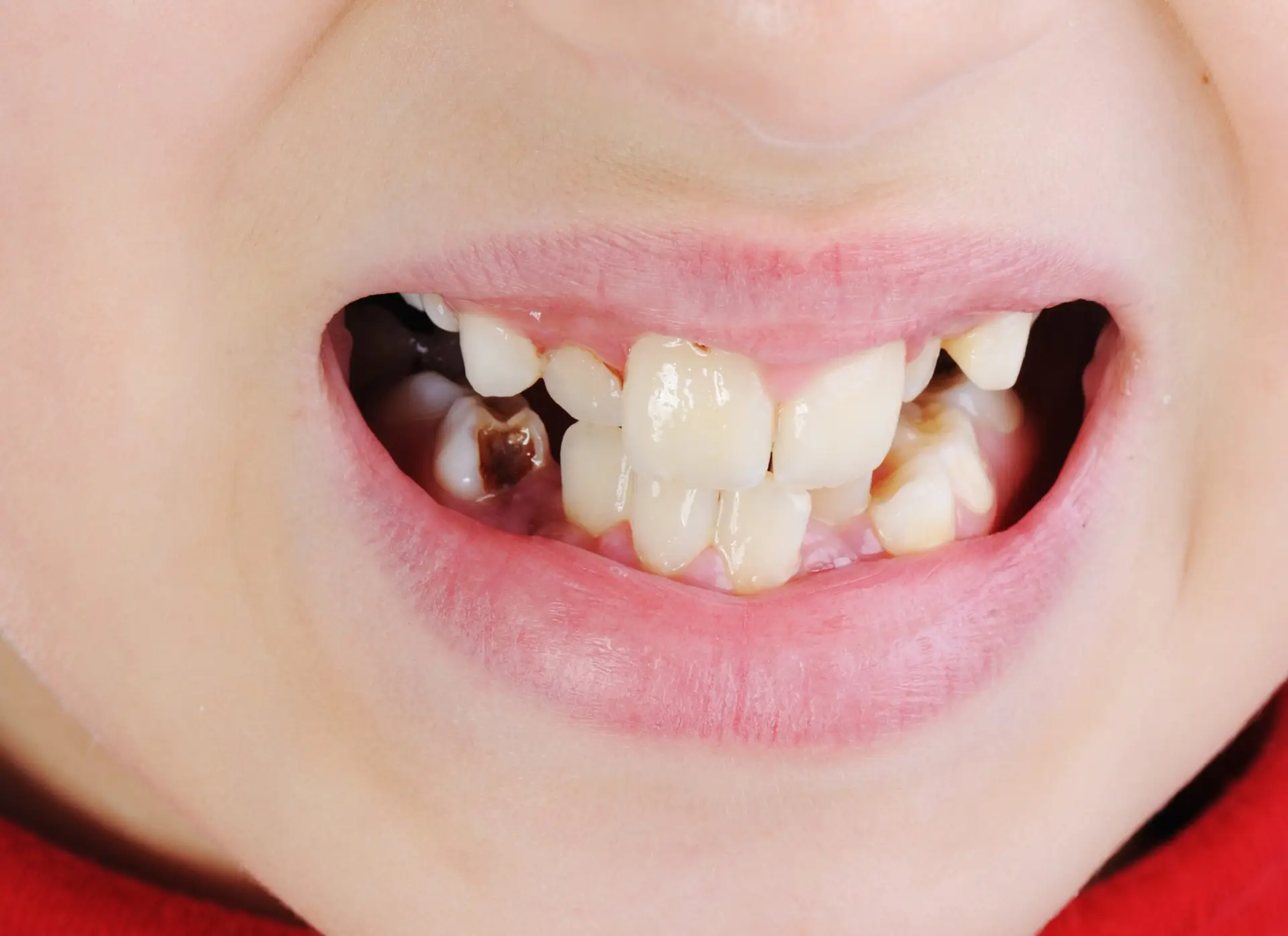
Gingivitis is a mild form of periodontal disease that affects the gums. It occurs when plaque builds up on your teeth, leading to swollen, red, and tender gums that may bleed easily. If left untreated, gingivitis can progress into severe forms of periodontal disease, resulting in tooth loss and other complications. Luckily, gingivitis can be treated naturally by improving your oral hygiene routine, including brushing, flossing, and using antibacterial mouthwash. Additionally, eating a balanced diet rich in vitamins and minerals can boost your immune system and improve your overall oral health.
Receding Gums: Causes, Symptoms, and Natural Treatment Options
Receding gums occur when the tissue around your teeth pulls back, exposing the roots of your teeth. This condition can cause sensitivity, discomfort, and even tooth loss if not addressed promptly. Receding gums can result from poor oral hygiene, genetic factors, or aggressive brushing techniques. To treat receding gums naturally, you should focus on improving your oral hygiene habits, including brushing gently with a soft-bristled toothbrush and flossing daily. Additionally, using a fluoride rinse or gel can strengthen your enamel and reduce sensitivity.
Conclusion: Taking Care of Your Teeth for a Lifetime of Good Oral Health
Taking care of your teeth is crucial for maintaining good oral health throughout your life. By following simple steps such as brushing, flossing, and rinsing with mouthwash, you can prevent toothaches, bleeding gums, bad breath, and other dental issues. Additionally, eating a nutritious diet and avoiding harmful habits such as smoking can further enhance your oral health. Remember, taking care of your teeth isn’t just about appearance; it’s about overall health and wellness too.
The post How to Prevent Toothache and Promote Oral Health appeared first on The Health And Wellness News Blog.
]]>The post The Hidden Dangers of Bad Breath: What You Need to Know appeared first on The Health And Wellness News Blog.
]]>Introduction to the Hidden Dangers of Bad Breath
Did you know that bad breath could indicate more than just poor oral hygiene? It may come as a surprise, but bad breath can actually be a symptom of various medical conditions such as diabetes, liver disease, kidney failure, and even cancer. Additionally, chronic bad breath can lead to social isolation, low self-esteem, and depression. Therefore, it’s essential to take action to improve your oral health and eliminate bad breath for good.
Causes and Symptoms of Bleeding Gums
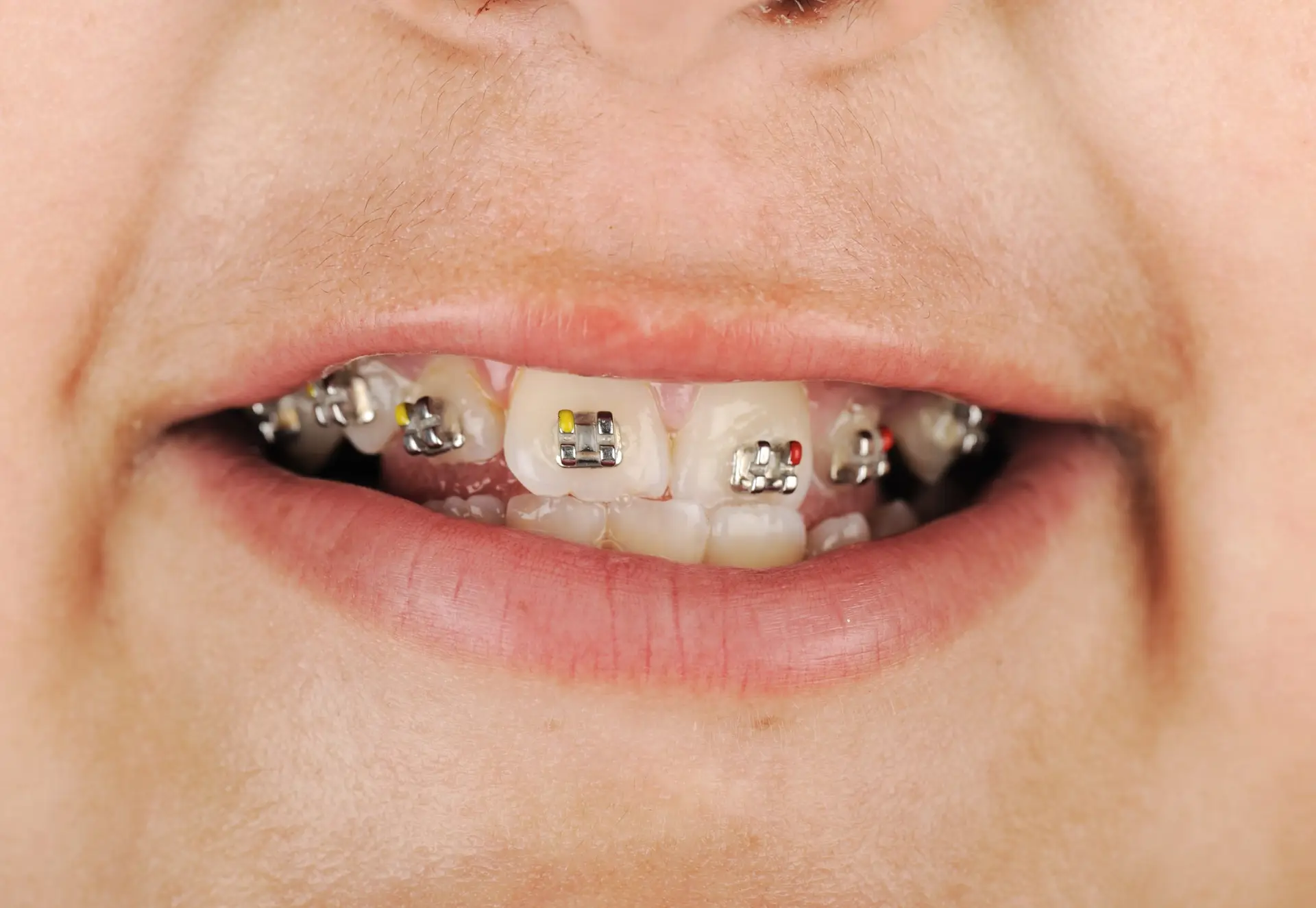
One common cause of bad breath is bleeding gums. When your gums are inflamed and bleed easily, bacteria can enter into your bloodstream and affect other parts of your body. Some symptoms of bleeding gums include redness, swelling, tenderness, and pus around the teeth. If left untreated, bleeding gums can lead to receding gums, loose teeth, and eventually tooth loss.
Natural Treatments for Bleeding Gums

Fortunately, there are several natural treatments available for bleeding gums. One effective method involves using a homemade mouthwash made from water mixed with salt, peppermint oil, and tea tree oil. This mixture helps kill off bacteria in the mouth while soothing irritated gums. Another option is to use coconut oil pulling therapy, which involves swishing a tablespoon of coconut oil in your mouth for 15 minutes before spitting it out. Coconut oil has antibacterial properties that help reduce plaque buildup and promote healing.
Understanding Bad Breath and Its Causes
Another significant contributor to bad breath is dry mouth syndrome, where the saliva production decreases leading to foul smell due to accumulation of dead cells and food particles. Other causes of bad breath include sinusitis, postnasal drip, acid reflux, and certain medications like antihistamines and antidepressants. To combat bad breath caused by these factors, one should stay hydrated, chew sugarless gum, and avoid alcohol and caffeine.
How to Prevent Receding Gums with Natural Remedies
Receding gums occur when the tissue surrounding the teeth pulls back exposing the roots, causing sensitivity and pain. The primary cause of receding gums is aggressive brushing, periodontal diseases, and genetics. However, some natural remedies can help prevent receding gums including oil pulling therapy, massaging the gums with sesame oil, eating crunchy raw vegetables, and rinsing with aloe vera juice. These methods aid in reducing inflammation and promoting regeneration of the damaged tissues.
In conclusion, bad breath is not something to ignore since it can signal serious health problems. By understanding its root causes and implementing natural remedies, you can maintain excellent oral health and prevent any potential complications.
The post The Hidden Dangers of Bad Breath: What You Need to Know appeared first on The Health And Wellness News Blog.
]]>The post Gingivitis: What It Is, How to Spot It, and Natural Ways to Fight It appeared first on The Health And Wellness News Blog.
]]>Gingivitis is a common oral health problem that affects millions of people worldwide. It’s an inflammation of the gums caused by bacteria in plaque buildup around the teeth. The symptoms of gingivitis include redness, swelling, bleeding, bad breath, and tender gums. If left untreated, it can lead to periodontal disease, which can cause tooth loss and other serious health problems.

Causes of Gingivitis and How to Prevent It
The main cause of gingivitis is poor dental hygiene. Not brushing your teeth regularly or properly can allow plaque to build up on your teeth and irritate your gums. Other factors that contribute to gingivitis include smoking, certain medications, genetics, and medical conditions like diabetes. To prevent gingivitis, you should brush your teeth twice daily with fluoride toothpaste, floss regularly, use mouthwash, and visit your dentist for regular checkups and cleanings.
Natural Ways to Fight Gingivitis
In addition to proper dental hygiene, there are natural ways to fight gingivitis. One way is to eat a healthy diet rich in fruits, vegetables, whole grains, and lean protein sources. This will provide your body with essential nutrients needed for good oral health. Another way is to drink plenty of water throughout the day to keep your mouth hydrated and flush out bacteria. You can also chew sugar-free gum to stimulate saliva production and help wash away food particles.
Receding Gums: What You Need to Know
Receding gums occur when the tissue surrounding your teeth wears away, exposing more of your tooth roots. This condition is often associated with advanced stages of periodontal disease, but it can also be caused by aggressive brushing or using a hard-bristled toothbrush. Receding gums can make your teeth look longer and cause sensitivity to hot and cold temperatures. Treatment options may include surgery, laser therapy, or medication.
Conclusion and Final Thoughts on Oral Health
Good oral health is crucial for overall health and wellbeing. Brushing, flossing, and visiting your dentist regularly can help prevent many oral health issues such as gingivitis. Eating a balanced diet and staying hydrated can also support good oral health. Remember, taking care of your teeth isn’t just about appearance; it’s about maintaining optimal health for years to come.
The post Gingivitis: What It Is, How to Spot It, and Natural Ways to Fight It appeared first on The Health And Wellness News Blog.
]]>The post Receding Gums? Try These Natural Treatments for Relief Now appeared first on The Health And Wellness News Blog.
]]>Introduction to Receding Gums and Its Natural Treatments
Receding gums occur when the tissue around your teeth pulls back, exposing more of your tooth roots than normal. This condition is often caused by poor dental hygiene, but it can also be genetic or related to certain medical conditions such as diabetes or autoimmune diseases. The most common symptom of receding gums is sensitivity to hot or cold foods and drinks, but they may also lead to bleeding during brushing or flossing, bad breath, and even tooth loss if left untreated.
Causes, Symptoms, and Complications of Receding Gums
The main cause of receding gums is poor oral hygiene, which allows plaque buildup on teeth and gum line. Other factors that contribute to receding gums include smoking, grinding teeth, clenching jaw muscles, and using too much pressure while brushing teeth. Some medications like anti-inflammatory drugs and antidepressants can also cause dry mouth, leading to dehydrated gums that are prone to recession.
Natural Remedies for Relieving Receding Gums Pain and Inflammation
There are several natural treatments that can help alleviate the pain and inflammation associated with receding gums. One effective remedy is oil pulling, which involves swishing a tablespoon of coconut oil in your mouth for 15 minutes before spitting it out. Another option is to use a homemade saltwater rinse by mixing one teaspoon of salt into eight ounces of warm water and rinsing your mouth with it twice daily. You could also try rubbing ice cubes over your affected gums to numb the area and reduce sensitivity.
How to Prevent Receding Gums with Good Oral Hygiene Habits
To prevent receding gums, it’s essential to practice good oral hygiene habits. Brush your teeth at least twice per day with fluoridated toothpaste and soft-bristled toothbrush. Floss between your teeth daily to remove any trapped food particles or bacteria. Use an alcohol-free mouthwash to kill germs and freshen up your breath. Finally, visit your dentist regularly for professional cleanings and checkups to catch any potential problems early.
Conclusion
In conclusion, receding gums can be a painful and frustrating condition, but there are many natural treatments available to provide relief. By practicing good oral hygiene habits and avoiding risk factors like smoking and excessive force while brushing, you can prevent receding gums from occurring in the first place. Remember to always consult with your doctor or dentist before trying new treatments or making significant changes to your oral care routine.
The post Receding Gums? Try These Natural Treatments for Relief Now appeared first on The Health And Wellness News Blog.
]]>The post Receding Gums: Causes, Symptoms, and Natural Remedies appeared first on The Health And Wellness News Blog.
]]>Toothache: Causes, Symptoms, and Treatment Options
One common symptom of receding gums is tooth sensitivity or pain. This can happen when the roots of your teeth become exposed due to recession. There are many possible causes of toothaches, but some of the most common include decay, infection, trauma, or grinding. To alleviate tooth pain, try using over-the-counter pain relievers such as ibuprofen or acetaminophen. You should also schedule an appointment with your dentist for further evaluation and treatment.
Bleeding Gums: Causes, Symptoms, and Natural Treatments
Another sign of receding gums is bleeding during brushing or flossing. Bleeding gums can indicate inflammation, which is often caused by poor oral hygiene habits. Other factors that contribute to bleeding gums include smoking, certain medications, and underlying medical conditions such as diabetes or heart disease. To prevent bleeding gums, make sure to brush twice daily with fluoride toothpaste and floss at least once per day. Additionally, consider quitting smoking if applicable, managing any chronic health conditions, and maintaining regular dental checkups.
Bad Breath: Causes, Symptoms, and Natural Treatments
If you notice bad breath despite good oral hygiene practices, it could be related to receding gums. When gums recede, bacteria can build up between the teeth and gums, leading to halitosis (bad breath). To combat bad breath, start by improving your oral hygiene routine. Brush thoroughly after meals, use mouthwash, and chew sugarless gum to stimulate saliva production. You can also try tongue scrapers, which help remove food particles and bacteria from the tongue.
Gingivitis: Causes, Symptoms, and Natural Treatments
Gingivitis is another potential consequence of receding gums. It occurs when plaque builds up on the teeth and irritates the gums, causing them to swell and turn red. Common signs of gingivitis include bleeding gums, sore gums, and bad breath. To treat gingivitis naturally, focus on improving your oral hygiene habits. Use a soft-bristled toothbrush and gentle circular motions to clean your teeth without damaging the delicate tissues. Floss regularly, rinse with salt water, and avoid sugary snacks and drinks.

Receding Gums Natural Treatments: Home Remedies and Lifestyle Changes
In addition to these natural remedies, there are several lifestyle changes you can make to promote better oral health and reduce the risk of receding gums. These include eating a balanced diet rich in fruits and vegetables, staying hydrated, avoiding tobacco products, and practicing stress reduction techniques such as meditation or yoga. Finally, don’t forget to visit your dentist every six months for professional cleanings and examinations. With proper care and attention, you can keep your smile healthy and beautiful for years to come!
The post Receding Gums: Causes, Symptoms, and Natural Remedies appeared first on The Health And Wellness News Blog.
]]>