The post The Silent Killer: The Dangers of High Blood Pressure and What You Can Do to Prevent It appeared first on The Health And Wellness News Blog.
]]>
Introduction: What Is Blood Pressure?
Your blood pressure reading consists of two numbers – systolic (the top number) and diastolic (the bottom number). Normal blood pressure ranges from 90/60 mmHg to 120/80 mmHg. If your blood pressure exceeds these limits consistently over time, then you may have hypertension, also known as high blood pressure. Hypertension affects millions of people worldwide and increases their risk for heart disease, stroke, kidney failure, and other life-threatening conditions.
Causes of High Blood Pressure
There are several factors that contribute to high blood pressure, including genetics, age, weight, lifestyle choices, and underlying medical conditions such as diabetes, thyroid disorders, and sleep apnea. Some common lifestyle habits that increase the risk of developing high blood pressure include smoking, excessive alcohol consumption, poor diet, lack of physical activity, stress, and inadequate sleep.
Symptoms of High Blood Pressure
High blood pressure often has no signs or symptoms until it reaches a severe level. This makes it difficult to detect without regular monitoring. However, some individuals with high blood pressure may experience headaches, dizziness, blurred vision, chest pain, shortness of breath, fatigue, or irregular heartbeats. These symptoms require immediate attention and should be reported to a doctor promptly.
Natural Treatments for High Blood Pressure
Lifestyle changes play an essential role in managing high blood pressure. Here are some natural treatment options that can help lower your blood pressure levels:
1. Dietary Changes: Adopting a healthy eating plan that includes fruits, vegetables, whole grains, lean proteins, nuts, seeds, and legumes can reduce inflammation, improve circulation, and promote overall cardiovascular health. Limiting sodium intake by avoiding processed foods, salted snacks, and sugary drinks can also help decrease blood pressure readings.
2. Exercise Regimen: Engage in at least 30 minutes of moderate exercise most days of the week. Physical activities like walking, cycling, swimming, dancing, or yoga can strengthen your heart muscles, boost endurance, and burn calories while reducing stress hormones.
3. Weight Management: Being overweight or obese puts extra strain on your heart and raises blood pressure levels. Losing even just five pounds can make a significant difference in improving blood pressure readings.
4. Stress Reduction Techniques: Chronic stress triggers the release of adrenaline and cortisol hormones which raise blood pressure levels. Practicing relaxation techniques like meditation, deep breathing exercises, massages, or acupuncture can alleviate stress and anxiety while promoting emotional well-being.
5. Sleep Quality Improvement: Getting adequate amounts of quality sleep helps regulate blood pressure levels. Ensuring a quiet, dark, cool environment, maintaining consistent bedtime routines, limiting caffeine and alcohol intake before bedtime, and practicing good sleep hygiene can enhance sleep quality and duration.
Prevention Methods
To prevent high blood pressure, it’s crucial to adopt healthier lifestyles early in life. Here are some tips to follow:
1. Maintain a Healthy Body Mass Index (BMI): Keeping a BMI between 18.5 and 24.9 kg/m² reduces the risk of developing high blood pressure.
2. Eat a Balanced Diet: Consuming a balanced diet rich in nutrients and minerals can protect against chronic diseases like high blood pressure.
3. Stay Active: Engage in regular physical activity to keep your body fit and active.
4. Manage Stress Levels: Learn how to manage stress effectively through relaxation techniques, mindfulness practices, or therapy sessions.
5. Monitor Your Blood Pressure Regularly: Get your blood pressure checked regularly, especially if you have a family history of hypertension or any underlying medical condition.
In conclusion, high blood pressure is a silent killer that requires urgent attention. By making lifestyle changes, incorporating natural remedies, and following preventative measures, you can safeguard yourself against the risks associated with hypertension. Remember, knowledge is power; take control of your health today!
The post The Silent Killer: The Dangers of High Blood Pressure and What You Can Do to Prevent It appeared first on The Health And Wellness News Blog.
]]>The post The Silent Killer: How to Manage and Prevent High Blood Pressure appeared first on The Health And Wellness News Blog.
]]>Introduction to High Blood Pressure: What You Need to Know
High blood pressure occurs when the force of your blood pushing against the walls of your arteries becomes too strong. This can lead to damage in various parts of your body, such as your heart or kidneys. Hypertension typically has no symptoms, which makes it challenging for individuals to detect on their own. However, if left untreated, it can cause severe complications like stroke, heart attack, and even death.

Causes of High Blood Pressure and Its Risk Factors
There are several factors that contribute to high blood pressure, including genetics, lifestyle choices, and environmental factors. Some common risk factors include being overweight or obese, consuming excessive amounts of sodium, not exercising enough, smoking cigarettes, drinking alcohol frequently, and having a family history of hypertension. Additionally, certain chronic conditions like diabetes, sleep apnea, and kidney disease can increase your chances of developing high blood pressure.
Symptoms of High Blood Pressure and When to Seek Medical Help
While high blood pressure usually doesn’t have any noticeable signs or symptoms, some people may experience headaches, dizziness, blurred vision, or shortness of breath. These symptoms could be indicative of other underlying issues, so it’s essential to see a doctor right away. If you already know you have high blood pressure, monitoring it regularly with home testing kits and keeping track of your readings is vital. Your physician might recommend medication, but natural remedies like exercise, stress reduction techniques, and a healthy diet can help lower your numbers as well.
Natural Ways to Manage and Prevent High Blood Pressure
One of the most effective ways to manage and prevent high blood pressure is through lifestyle changes. Regular physical activity, such as brisk walking or cycling, can significantly reduce your blood pressure levels. Adopting a balanced diet low in saturated fat, trans fats, and added sugars while increasing intake of whole grains, fruits, vegetables, lean protein sources, and nuts/seeds can improve your cardiovascular health. Quitting smoking, limiting alcohol consumption, managing stress through relaxation techniques like meditation or yoga, and maintaining a healthy weight can further decrease your risk of developing hypertension.

Conclusion: Taking Control of Your Blood Pressure Health
Taking control of your blood pressure health requires awareness, self-monitoring, and making positive lifestyle modifications. By understanding the risks associated with high blood pressure and implementing strategies to keep it under control, you can protect yourself from serious health problems down the road. Remember, early detection and intervention are key to managing hypertension effectively.
The post The Silent Killer: How to Manage and Prevent High Blood Pressure appeared first on The Health And Wellness News Blog.
]]>The post Natural Ways to Lower Your Blood Pressure Without Medication appeared first on The Health And Wellness News Blog.
]]>Introduction to Blood Pressure
Your blood pressure reading consists of two numbers – systolic (the top number) and diastolic (the bottom number). The systolic number represents the pressure in your arteries when your heart beats, while the diastolic number represents the pressure between beats. A normal blood pressure reading is below 120/80 mmHg.

What Causes High Blood Pressure?
There are several factors that can contribute to high blood pressure:
Genetics
Age
Gender (men are more likely to develop high blood pressure than women)
Race (African Americans are more likely to develop high blood pressure)
Lifestyle choices such as smoking, excessive alcohol consumption, poor diet, and lack of exercise
Symptoms of High Blood Pressure
High blood pressure usually has no symptoms, which is why it’s called “the silent killer.” However, some people may experience headaches, dizziness, blurred vision, or fatigue. These symptoms could indicate a medical emergency, so seek immediate medical attention if you experience them.
Natural Ways to Lower Your Blood Pressure Without Medication
If you have been diagnosed with high blood pressure, lifestyle changes are often the first line of defense. Here are some natural ways to lower your blood pressure without medication:
1. Eat a Healthy Diet: A balanced diet that includes fruits, vegetables, whole grains, lean protein, and low-fat dairy products can help reduce your blood pressure. Limit your intake of processed foods, saturated and trans fats, and sodium.
2. Exercise Regularly: Physical activity helps improve circulation and reduces inflammation, both of which can lead to lower blood pressure. Aim for at least 30 minutes of moderate physical activity most days of the week.
3. Maintain a Healthy Weight: Being overweight or obese puts extra strain on your heart and blood vessels, leading to higher blood pressure. Losing even just a few pounds can make a significant difference in your blood pressure readings.
4. Manage Stress: Chronic stress can increase your blood pressure by causing your body to produce more cortisol, a hormone associated with stress. Find ways to manage stress through relaxation techniques like meditation, deep breathing exercises, or yoga.
5. Quit Smoking: Smoking constricts your blood vessels, increasing your blood pressure. If you smoke, talk to your doctor about resources available to help you quit.
Lifestyle Changes for Managing Blood Pressure
In addition to these natural remedies, there are other lifestyle changes you can make to manage your blood pressure:
1. Monitor Your Blood Pressure: Check your blood pressure regularly using an accurate home monitoring device. Record your readings and share them with your doctor.
2. Take Medications as Prescribed: If your blood pressure remains high despite lifestyle changes, your doctor may prescribe medication. Be sure to take your medication exactly as directed.
3. Stay Hydrated: Drinking plenty of water helps flush out excess salt and fluids from your system, reducing blood pressure.
Conclusion and Final Thoughts
High blood pressure is a common condition that affects millions of people worldwide. While medication may be necessary in some cases, making lifestyle changes can often lower your blood pressure naturally. By adopting a healthier diet, getting regular exercise, managing stress, quitting smoking, and staying hydrated, you can significantly reduce your risk of developing complications related to high blood pressure. Remember to always consult with your doctor before making any major lifestyle changes or starting new treatments.
The post Natural Ways to Lower Your Blood Pressure Without Medication appeared first on The Health And Wellness News Blog.
]]>The post Natural Ways to Lower Your Blood Pressure and Improve Heart Health appeared first on The Health And Wellness News Blog.
]]>Introduction to Blood Pressure and Its Causes
Blood pressure is measured in millimeters of mercury (mmHg) and is usually recorded as two numbers: systolic and diastolic. The systolic number represents the pressure when your heart beats while the diastolic number represents the pressure between beats. A normal blood pressure reading should be below 120/80 mmHg. However, if you have a reading higher than 130/80 mmHg consistently, then you may have high blood pressure.
Symptoms of High Blood Pressure and Their Significance
High blood pressure often has no symptoms, which makes it challenging to detect. Some people with high blood pressure may experience headaches, dizziness, blurred vision, chest pain, irregular heartbeat, and shortness of breath. These symptoms are not specific to high blood pressure but could indicate other underlying conditions. Therefore, it’s essential to get regular check-ups to monitor your blood pressure levels.
Natural Ways to Lower Your Blood Pressure
There are several lifestyle changes you can make to lower your blood pressure naturally. Here are some effective strategies:
1. Eating a Healthy Diet – A balanced diet rich in fruits, vegetables, whole grains, lean protein sources, nuts, seeds, and low-fat dairy products can help reduce blood pressure. It’s also crucial to limit your intake of processed foods, saturated fat, trans fats, added sugars, and sodium.
2. Exercise Regularly – Physical activity helps strengthen your heart muscle, lower inflammation, and improve circulation, all of which can lower blood pressure. Aim for at least 30 minutes of moderate exercise most days of the week.
3. Maintain a Healthy Weight – Being overweight or obese increases your risk of developing high blood pressure. Losing just five percent of your body weight can significantly reduce your blood pressure.
4. Manage Stress – Chronic stress can cause an increase in cortisol levels, leading to increased blood pressure. Taking time to practice relaxation techniques like meditation, deep breathing exercises, yoga, or tai chi can help manage stress levels.
5. Quit Smoking – Smoking constricts blood vessels, increasing blood pressure. Quitting smoking can immediately lower blood pressure and decrease the risk of cardiovascular disease.
Improving Heart Health through Lifestyle Changes
In addition to lowering blood pressure, making these lifestyle changes can also improve overall heart health:
6. Limiting Alcohol Consumption – Drinking too much alcohol can raise blood pressure and damage the heart. Men should drink no more than two servings per day, while women should consume one serving daily.
7. Getting Enough Sleep – Poor sleep habits can contribute to high blood pressure. Adults should aim for seven to eight hours of quality sleep each night.
8. Reducing Salt Intake – Too much salt in the diet can cause fluid retention, leading to an increase in blood volume and subsequently raising blood pressure. Try to limit your salt intake to less than 2,300 mg per day.
9. Monitoring Medications – Certain medications like birth control pills, cold remedies, and decongestants can cause an increase in blood pressure. Ask your doctor about any potential side effects of your medications.
Conclusion
Making lifestyle changes to lower your blood pressure and improve heart health is essential for maintaining optimal health. By incorporating these natural strategies into your routine, you can effectively manage your blood pressure and reduce your risk of developing serious health complications.
The post Natural Ways to Lower Your Blood Pressure and Improve Heart Health appeared first on The Health And Wellness News Blog.
]]>The post Natural Ways to Lower Your Blood Pressure and Keep It Under Control appeared first on The Health And Wellness News Blog.
]]>Introduction to Blood Pressure
Blood pressure is measured in millimeters of mercury (mmHg) and is expressed as two numbers: systolic and diastolic. Systolic refers to the pressure when your heart beats while diastolic measures the pressure between beats. A normal blood pressure reading should be below 120/80 mmHg. However, if you have a reading above 140/90 mmHg, you may have high blood pressure or hypertension.

Causes of High Blood Pressure
There are several factors that contribute to high blood pressure including genetics, age, race, lifestyle choices, and environmental factors. Some common risk factors include being overweight or obese, lack of physical activity, poor diet, excessive alcohol consumption, stress, and smoking.
Symptoms of High Blood Pressure
High blood pressure usually doesn’t cause any noticeable symptoms until it reaches dangerous levels. Symptoms of severe hypertension include headaches, blurred vision, dizziness, chest pain, shortness of breath, and irregular heartbeat. If you experience these symptoms, seek medical attention immediately.
Natural Treatments for Lowering Your Blood Pressure
While medication is often necessary to manage high blood pressure, there are also many natural treatments that can help lower your blood pressure and keep it under control. These include:
1. Lose weight – Being overweight or obese increases your risk of developing high blood pressure. Losing just a few pounds can make a significant difference in reducing your blood pressure.
2. Exercise regularly – Regular exercise helps reduce stress, improve circulation, and promote overall cardiovascular health. Aim for at least 30 minutes of moderate intensity exercise most days of the week.
3. Eat a healthy diet – A balanced diet rich in fruits, vegetables, whole grains, lean protein, and low-fat dairy products can help reduce your blood pressure. Limit your intake of processed foods, saturated fat, and sodium.
4. Manage stress – Stress can increase your blood pressure temporarily, but chronic stress can lead to long-term elevations. Find ways to manage stress through relaxation techniques like meditation, deep breathing, or yoga.
5. Quit smoking – Smoking is a major risk factor for high blood pressure and other cardiovascular diseases. Talk to your doctor about resources available to help you quit.
Lifestyle Changes to Keep Your Blood Pressure Under Control
In addition to natural treatments, making lifestyle changes can also help keep your blood pressure under control. Here are some tips:
1. Monitor your blood pressure regularly – Check your blood pressure at home or at your doctor’s office to ensure it stays within a safe range.
2. Stay hydrated – Drinking plenty of water throughout the day can help flush out excess salt and fluids from your body, which can lower your blood pressure.
3. Get enough sleep – Chronic sleep deprivation can raise your blood pressure, so aim for seven to eight hours of quality sleep each night.
4. Reduce alcohol consumption – Alcohol can cause temporary spikes in blood pressure, so limit your intake to one drink per day for women and two drinks per day for men.
Conclusion
High blood pressure is a serious condition that requires careful monitoring and management. By incorporating natural treatments and lifestyle changes into your daily routine, you can lower your blood pressure and reduce your risk of developing related health complications. Remember to talk to your doctor before making any significant changes to your diet or exercise regimen.
The post Natural Ways to Lower Your Blood Pressure and Keep It Under Control appeared first on The Health And Wellness News Blog.
]]>The post Beating High Blood Pressure with These Effective Natural Remedies appeared first on The Health And Wellness News Blog.
]]>
Introduction to High Blood Pressure
Hypertension usually has no symptoms or warning signs until it causes damage to organs like the kidneys, eyes, brain, and heart. This makes it crucial to regularly monitor your blood pressure levels and take necessary steps to keep them under control. Some factors that increase the risk of developing high blood pressure include age, family history, smoking, excess weight, lack of physical activity, stress, and poor diet.
Causes of High Blood Pressure
There are several reasons why someone may develop high blood pressure. One major cause is genetic predisposition, where certain individuals have inherited traits that put them at higher risk for hypertension. Lifestyle choices such as poor diet, inadequate exercise, and chronic stress can also contribute to its development. Additionally, underlying medical conditions such as thyroid disorders, sleep apnea, and adrenal gland tumors can raise blood pressure levels.
Symptoms of High Blood Pressure
While high blood pressure typically does not show any noticeable symptoms, there are some rare cases where patients experience headaches, dizziness, blurred vision, chest pain, shortness of breath, and fatigue. However, these symptoms do not necessarily indicate high blood pressure alone and could be due to other underlying health issues. Therefore, it’s essential to get regular check-ups and monitor your blood pressure levels consistently.
Natural Remedies for Lowering Blood Pressure
1. Garlic: Garlic contains allicin, an active compound that helps relax blood vessels and reduce inflammation. Consuming raw garlic or taking supplements containing standardized extracts of garlic can help lower blood pressure over time.
2. Hibiscus Tea: Studies suggest that drinking hibiscus tea twice daily for six weeks can significantly decrease systolic blood pressure by up to 7 points. The antihypertensive effects of hibiscus tea are attributed to its ability to dilate blood vessels and improve circulation.
3. Coenzyme Q10 (CoQ10): CoQ10 is a powerful antioxidant that supports heart health and promotes normal blood pressure levels. Supplementing with CoQ10 can enhance endothelial function, prevent oxidative stress, and support overall cardiovascular health.
4. Magnesium: Low magnesium intake has been linked to increased risk of hypertension. Eating foods rich in magnesium such as leafy greens, nuts, seeds, whole grains, and legumes can help maintain optimal magnesium levels and promote healthy blood pressure readings.
5. Yoga: Practicing yoga regularly can help reduce stress, anxiety, and depression, all of which can contribute to elevated blood pressure levels. Certain types of yoga, such as restorative yoga, focus on calming the mind and reducing tension in the body, making it an excellent choice for managing hypertension.
Lifestyle Changes to Manage Blood Pressure
In addition to using natural remedies, adopting healthier habits can go a long way in controlling blood pressure levels. Here are some lifestyle modifications that can help manage hypertension:
1. Maintain a Healthy Weight: Being overweight or obese increases the risk of developing hypertension. Losing even just a few pounds can significantly lower blood pressure levels.
2. Exercise Regularly: Physical activity strengthens the heart muscle, improves circulation, and reduces inflammation throughout the body. Aim for at least 30 minutes of moderate intensity exercise most days of the week.
3. Reduce Stress: Chronic stress raises cortisol levels, which can constrict blood vessels and increase blood pressure. Taking breaks during the day, practicing deep breathing exercises, meditation, or yoga can help alleviate stress and promote relaxation.
4. Limit Alcohol Consumption: Drinking alcohol in moderation is fine, but consuming more than one serving per day can increase blood pressure levels. If you choose to consume alcohol, limit yourself to one glass per day.
Conclusion and Final Thoughts
High blood pressure is a significant public health concern that requires prompt attention. While medications can effectively treat hypertension, incorporating natural remedies and lifestyle changes into your routine can complement traditional treatment methods and provide additional benefits for overall health. By monitoring blood pressure levels regularly, making healthier choices, and seeking professional guidance when needed, you can successfully manage hypertension and reduce the risk of associated health complications.
The post Beating High Blood Pressure with These Effective Natural Remedies appeared first on The Health And Wellness News Blog.
]]>The post Blood Pressure 101: Everything You Need to Know about This Common Condition appeared first on The Health And Wellness News Blog.
]]>Introduction to Blood Pressure
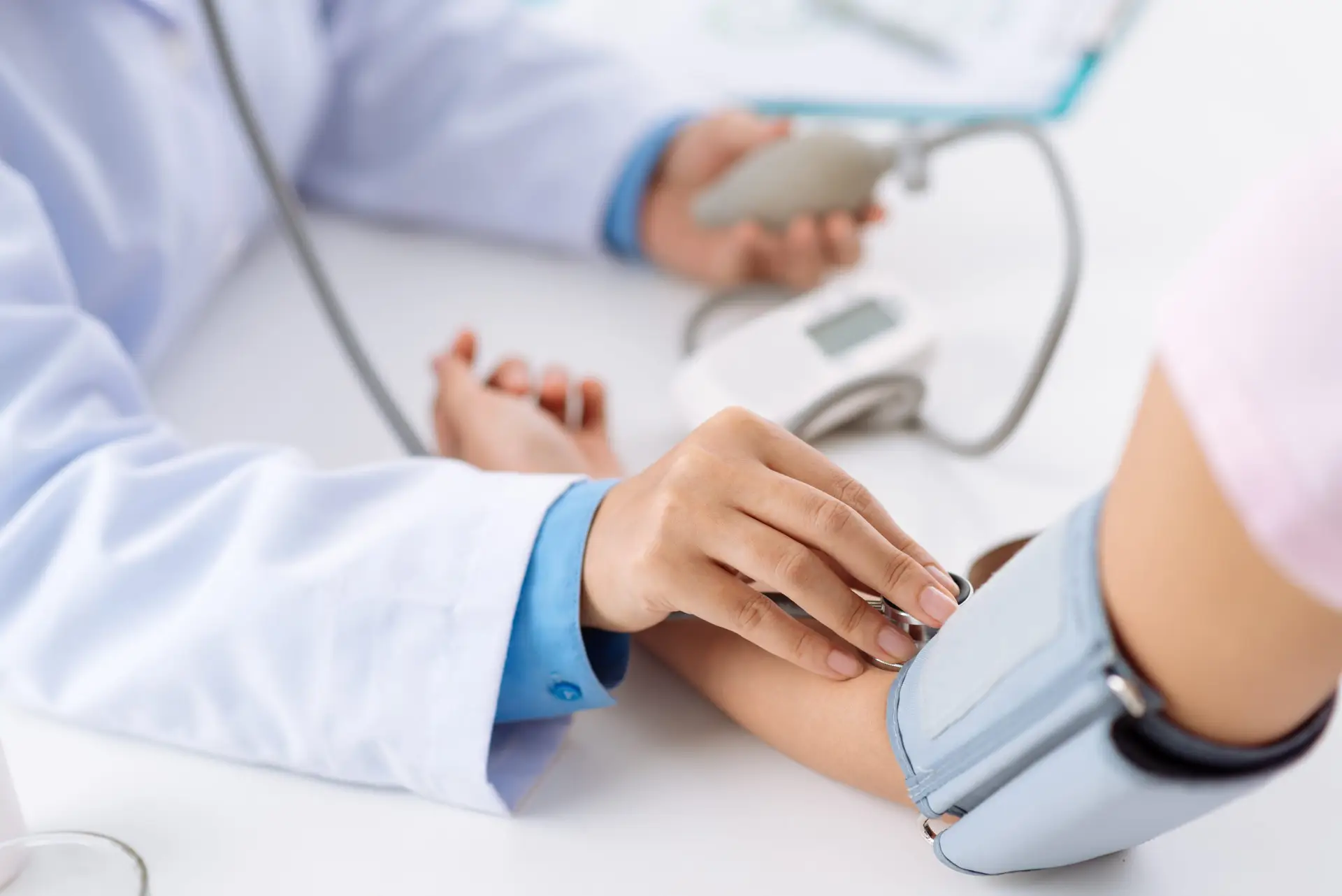
Blood pressure refers to the force at which blood pushes against the walls of your arteries as it flows through them. It’s measured in two numbers – systolic (the top number) and diastolic (the bottom number). The ideal range for blood pressure is between 90/60 mmHg and 120/80 mmHg. Anything above or below these ranges can indicate an underlying problem with your cardiovascular system.
What Is Blood Pressure?
Blood pressure is typically affected by several factors, such as age, genetics, lifestyle choices, and medical conditions like high cholesterol, obesity, and diabetes. High blood pressure, also known as hypertension, occurs when the pressure inside your arteries becomes too high, putting extra strain on your heart and increasing your risk of developing serious health problems like stroke, heart attack, kidney failure, and blindness. Low blood pressure, also called hypotension, happens when the pressure within your arteries drops below normal levels, leading to dizziness, fainting, and other complications.
Causes of High and Low Blood Pressure
The exact cause of high blood pressure isn’t always clear, but certain factors can increase your risk of developing it, including smoking, excessive alcohol consumption, stress, lack of physical activity, poor diet, and family history. On the other hand, low blood pressure may be caused by dehydration, medications, pregnancy, or certain medical conditions like shock, sepsis, and anemia.
Symptoms of High and Low Blood Pressure
High blood pressure usually has no signs or symptoms until it reaches severe stages, where it can lead to headaches, blurred vision, fatigue, shortness of breath, irregular heartbeat, and chest pain. Low blood pressure, however, can cause lightheadedness, dizziness, nausea, vomiting, sweating, and rapid pulse rate. These symptoms can occur suddenly and require immediate medical attention.
Natural Treatments for Blood Pressure
There are various natural remedies that can help lower blood pressure, including regular exercise, weight loss, reducing sodium intake, eating a balanced diet rich in whole grains, fruits, vegetables, lean protein sources, managing stress through relaxation techniques like meditation or yoga, quitting smoking, and limiting alcohol consumption. However, if your blood pressure remains consistently high despite making these changes, medication may be necessary.
When to Seek Medical Attention for Blood Pressure
If you experience any symptoms associated with high or low blood pressure, seek medical attention immediately. Additionally, it’s crucial to have your blood pressure checked regularly, especially if you have a family history of hypertension or other related medical conditions. Your doctor will advise you on how often you should get tested based on your individual circumstances.
Monitoring Your Blood Pressure at Home
You can monitor your blood pressure at home using a digital blood pressure monitor, available at most pharmacies. Follow the instructions provided carefully, ensuring proper placement of the cuff around your arm and taking readings multiple times throughout the day to ensure accuracy. Keep track of your results and share them with your doctor during routine check-ups.
Lifestyle Changes to Manage Blood Pressure
Making significant lifestyle changes can significantly reduce your risk of developing high blood pressure and improve overall cardiovascular health. Some effective strategies include maintaining a healthy body weight, engaging in regular physical activity, consuming a nutritious diet low in saturated and trans fats, avoiding excess salt and sugar, moderating alcohol intake, managing stress through relaxation techniques, getting enough sleep, and stopping smoking.
Medications for Blood Pressure Management
If lifestyle modifications alone aren’t sufficient to control your blood pressure, your doctor may prescribe one or more medications to manage it. There are several types of blood pressure drugs available, including beta blockers, ACE inhibitors, calcium channel blockers, and diuretics. These medicines work differently but aim to achieve the same goal – lowering your blood pressure to a safe level.
Conclusion: Taking Control of Your Blood Pressure
Taking control of your blood pressure involves making healthier lifestyle choices and monitoring your blood pressure regularly. By doing so, you can prevent or delay the development of serious health issues associated with high blood pressure, such as heart disease, stroke, and kidney damage. Remember, early detection and management are key to maintaining optimal cardiovascular health.
The post Blood Pressure 101: Everything You Need to Know about This Common Condition appeared first on The Health And Wellness News Blog.
]]>The post The Dangers of High Blood Pressure: How to Lower Your Risk with Lifestyle Changes appeared first on The Health And Wellness News Blog.
]]>Introduction to High Blood Pressure
High blood pressure, also known as hypertension, affects millions of people around the world. It occurs when the amount of blood pumped by the heart is greater than the capacity of the blood vessels in your body. This increased pressure puts stress on your artery walls, which can cause damage over time. There are two types of high blood pressure – primary (essential) hypertension and secondary hypertension. Primary hypertension has no clear cause but may be related to genetics or environmental factors such as diet and exercise. Secondary hypertension is caused by underlying medical conditions like kidney disease, hormonal imbalance, or medications.
Causes and Symptoms of High Blood Pressure
While there isn’t always a specific cause of high blood pressure, certain factors can increase your risk including age, family history, race, obesity, smoking, excessive alcohol consumption, physical inactivity, and poor diet. Common symptoms include headaches, dizziness, blurred vision, fatigue, shortness of breath, and chest pain. However, many people don’t experience any symptoms at all until their blood pressure reaches dangerously high levels. Regular check-ups with your doctor can help detect early signs of high blood pressure before they become more severe.
Natural Treatments for Lowering Your Blood Pressure
There are several natural treatments that have been shown to effectively lower blood pressure without the use of medication. These include eating a healthy diet rich in fruits, vegetables, whole grains, lean protein sources, and low-fat dairy products; reducing sodium intake by limiting processed foods and salty snacks; increasing physical activity levels; managing stress through relaxation techniques like meditation or yoga; and maintaining a healthy weight. Additionally, supplements like garlic, omega-3 fish oil, coenzyme Q10, and magnesium have been found to support healthy blood pressure levels.
Lifestyle Changes to Reduce Your Risk of High Blood Pressure
In addition to making these natural lifestyle changes, there are additional steps you can take to further reduce your risk of developing high blood pressure. Avoid smoking or exposure to secondhand smoke, limit alcohol consumption to one drink per day for women and two drinks per day for men, get enough sleep each night, manage chronic illnesses like diabetes and high cholesterol, and talk to your doctor about regular monitoring and screenings. By taking proactive measures to improve your overall health and wellbeing, you can significantly decrease your risk of developing high blood pressure and its associated complications.
The post The Dangers of High Blood Pressure: How to Lower Your Risk with Lifestyle Changes appeared first on The Health And Wellness News Blog.
]]>The post Understanding Your Blood Pressure Numbers: How They Affect Your Health and What You Can Do About It appeared first on The Health And Wellness News Blog.
]]>Understanding Your Blood Pressure Numbers:
Your blood pressure reading consists of two numbers – systolic and diastolic. The systolic number represents the pressure in your arteries when your heart beats, while the diastolic number represents the pressure between beats when your heart relaxes. A normal blood pressure reading is below 120/80 mmHg. However, if either number is higher than usual, it could indicate a problem with your cardiovascular system.

Causes of High and Low Blood Pressure:

High blood pressure (hypertension) occurs when there is too much pressure on the artery walls, which can damage the blood vessels over time. This condition often has no symptoms but can cause serious complications such as heart attack, stroke, and renal failure. Some common causes of hypertension include obesity, smoking, excessive alcohol consumption, stress, lack of physical activity, and certain medications.
On the other hand, low blood pressure (hypotension) occurs when the pressure in your arteries falls below the normal range. Symptoms may include dizziness, lightheadedness, fainting, and blurred vision. Causes of hypotension include dehydration, pregnancy, certain medications, and some underlying medical conditions like thyroid disorders and Parkinson’s disease.
Natural Treatments for Managing Blood Pressure:
If you have been diagnosed with high or low blood pressure, lifestyle changes are usually the first line of defense before resorting to medication. Here are some natural treatments that can help manage your blood pressure levels:
Maintaining a healthy weight through regular exercise and a balanced diet rich in whole grains, fruits, vegetables, lean protein, and low-fat dairy products.
Reducing sodium intake by limiting processed foods, adding herbs and spices instead of salt, and choosing fresh or frozen produce.
Quitting smoking and avoiding secondhand smoke.
Limiting alcohol consumption to one drink per day for women and two drinks per day for men.
Practicing relaxation techniques like meditation, yoga, deep breathing exercises, or tai chi to reduce stress.
In conclusion, monitoring your blood pressure regularly and knowing your numbers is crucial for maintaining good health. By making simple lifestyle changes and managing your blood pressure naturally, you can prevent serious health problems and enjoy a long, happy life.
The post Understanding Your Blood Pressure Numbers: How They Affect Your Health and What You Can Do About It appeared first on The Health And Wellness News Blog.
]]>The post Natural Ways to Lower Your Blood Pressure Without Medication appeared first on The Health And Wellness News Blog.
]]>Causes of High Blood Pressure
There are several factors that contribute to high blood pressure, including genetics, lifestyle choices, and environmental factors. Some common causes include:
Poor diet (high in sodium and low in potassium)
Lack of physical activity
Excess weight or obesity
Stress and anxiety
Symptoms and Complications of Hypertension
High blood pressure often has no symptoms, which is why it’s sometimes called “the silent killer.” However, some people may experience headaches, dizziness, blurred vision, and fatigue. If left untreated, hypertension can lead to severe complications such as heart attack, stroke, kidney failure, and blindness.
1. Eat a Healthy Diet – A balanced diet that is rich in fruits, vegetables, whole grains, lean protein, and low-fat dairy products can help reduce your blood pressure. Try to limit processed foods, saturated and trans fats, and excessive amounts of salt.
2. Get Regular Exercise – Physical activity helps strengthen your heart muscle and improve circulation, which can lower your blood pressure. Aim for at least 30 minutes of moderate exercise most days of the week.
3. Maintain a Healthy Weight – Being overweight or obese puts extra strain on your heart and blood vessels, leading to higher blood pressure. Work with your doctor to develop a plan to reach and maintain a healthy weight.
4. Manage Stress – Chronic stress can increase your blood pressure levels. Find ways to manage stress such as meditation, deep breathing exercises, yoga, or talking to a therapist.

5. Quit Smoking – Cigarette smoking constricts your blood vessels, increasing your blood pressure. Talk to your doctor about resources to help you quit smoking.
Conclusion
By making these simple lifestyle changes, you can effectively lower your blood pressure naturally without relying on medication. Remember to always consult with your doctor before starting any new treatment plans, and continue regular checkups to monitor your progress.
The post Natural Ways to Lower Your Blood Pressure Without Medication appeared first on The Health And Wellness News Blog.
]]>