

Blood sugar is an essential source of energy for our bodies. It provides fuel for the cells in our body, including those in our brain. However, when blood sugar levels are too high or too low, it can lead to serious health problems. This article will explore the dangers of both hyperglycemia (high blood sugar) and hypoglycemia (low blood sugar), as well as how insulin control plays a key role in managing blood sugar levels. We’ll also cover common causes and symptoms of diabetes, along with natural treatments that may help manage this condition.
Introduction to Blood Sugar and Diabetes
Diabetes is a chronic medical condition characterized by elevated levels of glucose (sugar) in the bloodstream. There are two main types of diabetes – type 1 and type 2. Type 1 diabetes occurs when the immune system mistakenly attacks and destroys the pancreas’ ability to produce insulin, which is necessary to regulate blood sugar levels. On the other hand, type 2 diabetes develops due to lifestyle factors such as poor diet, lack of exercise, and being overweight. In this case, the body becomes resistant to insulin or doesn’t produce enough of it to maintain normal blood sugar levels.
The Dangers of High Blood Sugar (Hyperglycemia)
High blood sugar levels can cause several complications if left untreated. Some of these include damage to nerves, kidneys, eyes, heart, and blood vessels. Hyperglycemia can also increase the risk of developing infections, delay wound healing, and cause dehydration. Additionally, people who have had high blood sugar levels for many years may experience cognitive decline, leading to memory loss and decreased mental function.
Understanding Low Blood Sugar (Hypoglycemia)
Low blood sugar levels, on the other hand, occur when there isn’t enough glucose in the bloodstream to provide energy to the body’s cells. Symptoms of hypoglycemia include confusion, dizziness, sweating, shakiness, hunger, and weakness. Severe cases of hypoglycemia can result in seizures, loss of consciousness, coma, and even death.
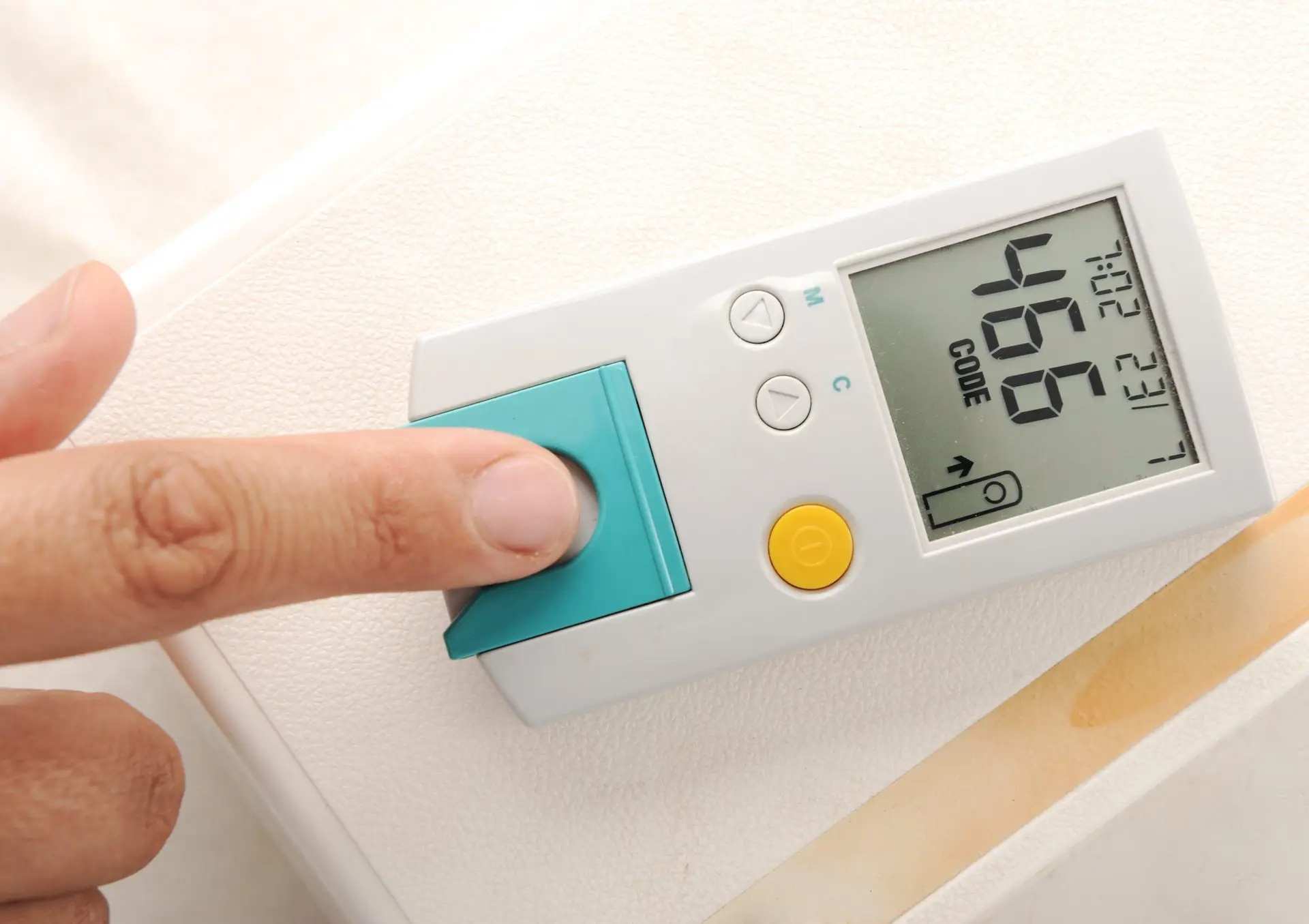
Insulin Control: A Key Component in Managing Blood Sugar Levels
One way to manage blood sugar levels is through insulin therapy. Insulin helps transport glucose from the blood into the cells where it can be used for energy. People with type 1 diabetes require daily insulin injections or use an insulin pump to manage their blood sugar levels. Those with type 2 diabetes may need insulin therapy if they cannot control their blood sugar levels through lifestyle changes alone.
Common Causes and Symptoms of Diabetes
Some common causes of diabetes include genetic predisposition, obesity, physical inactivity, aging, ethnic background, and family history. The most common symptoms of diabetes include frequent urination, increased thirst, blurred vision, fatigue, weight loss, slow-healing sores or cuts, and tingling sensations in hands or feet.
Natural Treatments for Diabetes
While medication is often required to manage blood sugar levels, some individuals may benefit from natural treatments as well. These include eating a balanced diet rich in fruits, vegetables, whole grains, lean proteins, and healthy fats. Regular exercise, stress management techniques like meditation or yoga, and avoiding smoking and excessive alcohol consumption can also improve blood sugar levels.