
Blood pressure is a measure of the force that your blood exerts against the walls of your arteries as it flows through them. High blood pressure, also known as hypertension, occurs when this force becomes too high and can lead to serious health problems if left untreated. In this blog post, we will explore everything you need to know about high blood pressure, including its causes, symptoms, natural treatments, and when to seek medical attention.
Introduction to High Blood Pressure
High blood pressure affects millions of people worldwide and is one of the leading risk factors for heart disease, stroke, kidney failure, and other chronic conditions. It usually develops gradually over time and often has no visible signs or symptoms, which makes it difficult to detect without regular check-ups with your doctor. The exact cause of high blood pressure is not always clear, but certain lifestyle factors such as poor diet, lack of exercise, stress, and smoking can increase your risk of developing it.
Causes of High Blood Pressure
There are several factors that can contribute to high blood pressure, including:
1. Lifestyle choices – Poor diet, lack of physical activity, excessive alcohol consumption, and smoking can all increase your risk of developing high blood pressure.
2. Age – As you get older, your chances of developing high blood pressure increases.
3. Family history – If someone in your family has had high blood pressure, you may be more likely to develop it yourself.
4. Race – African Americans are at higher risk of developing high blood pressure than Caucasians.
5. Medical conditions – Chronic diseases like diabetes, obesity, and sleep apnea can increase your risk of developing high blood pressure.
Symptoms of High Blood Pressure
While high blood pressure typically does not have any noticeable symptoms, some individuals may experience headaches, dizziness, blurred vision, or fatigue. These symptoms can indicate that your blood pressure is very high and requires immediate medical attention.
Natural Treatments for High Blood Pressure
In addition to medication prescribed by your doctor, there are many natural ways to manage high blood pressure, including:
1. Dietary changes – Eating a balanced diet low in sodium and rich in fruits, vegetables, whole grains, and lean proteins can help lower your blood pressure.
2. Exercise – Regular physical activity can improve circulation and reduce inflammation, both of which can help lower blood pressure.
3. Stress management techniques – Practicing relaxation exercises like meditation or yoga, getting enough sleep, and reducing stress levels can help decrease blood pressure.
When to Seek Medical Attention
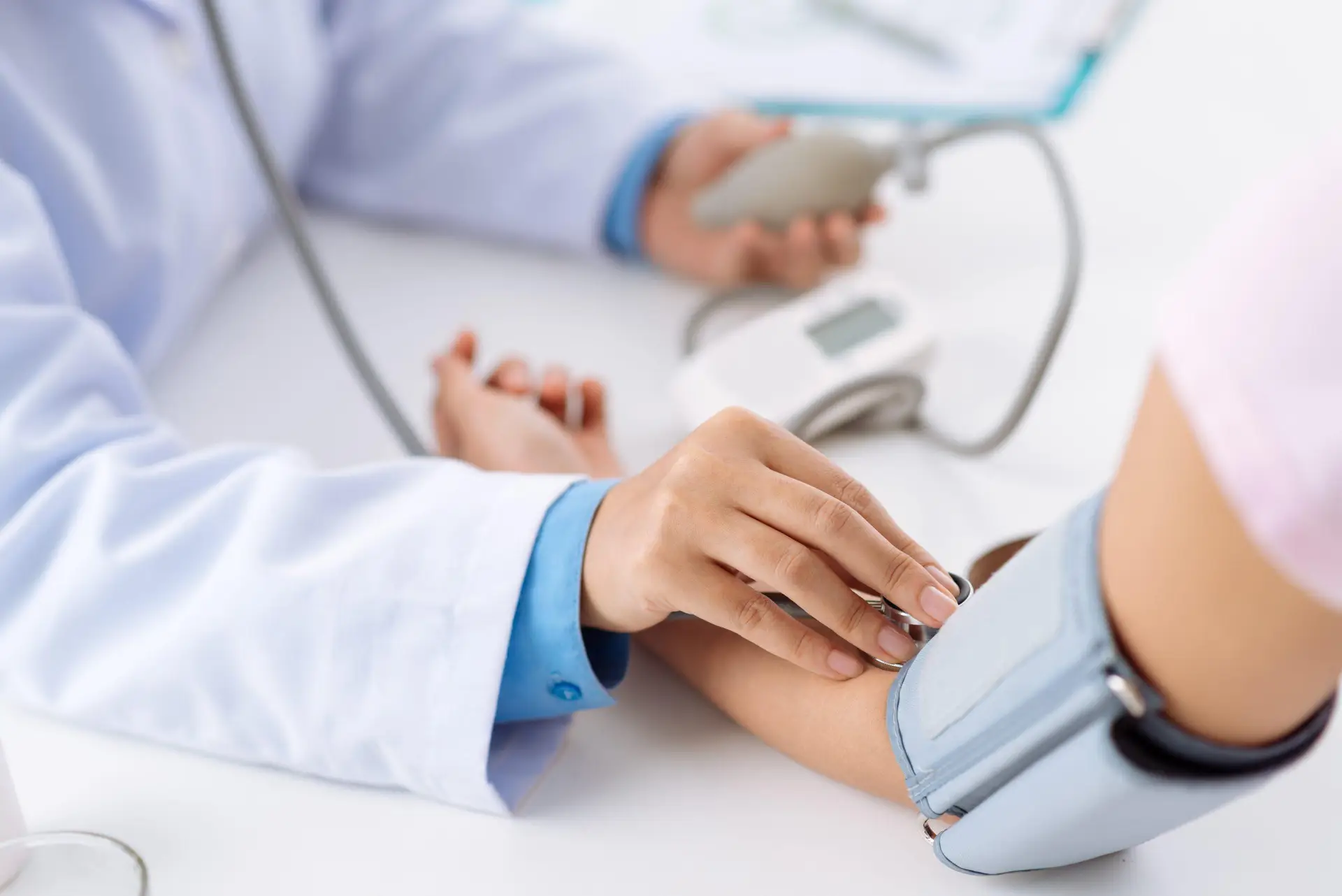
If you suspect that you may have high blood pressure, it’s important to see your doctor right away for an accurate diagnosis and treatment plan. Your doctor may recommend lifestyle changes, medication, or a combination of both depending on the severity of your condition. Left untreated, high blood pressure can lead to serious complications such as heart attack, stroke, and kidney damage.
Conclusion and Final Thoughts
High blood pressure is a common yet dangerous condition that can significantly impact your overall health. By making lifestyle changes, managing stress, and seeking medical attention when necessary, you can effectively manage and prevent high blood pressure. Remember to schedule regular check-ups with your doctor and take steps towards living a healthier life.